Traditional Kids' Room Design Ideas: 12 Real Examples (2026 Guide)
Classic furniture, enduring palettes, and playful yet sophisticated patterns. We unpack what makes a kids' room feel truly Traditional—a style that grows with them—then show 12 photorealistic examples you can replicate.
- 12
- Real examples
- ~30s
- AI render time
- 4 free
- Credits, no card
What is Traditional Kids' Room Design?
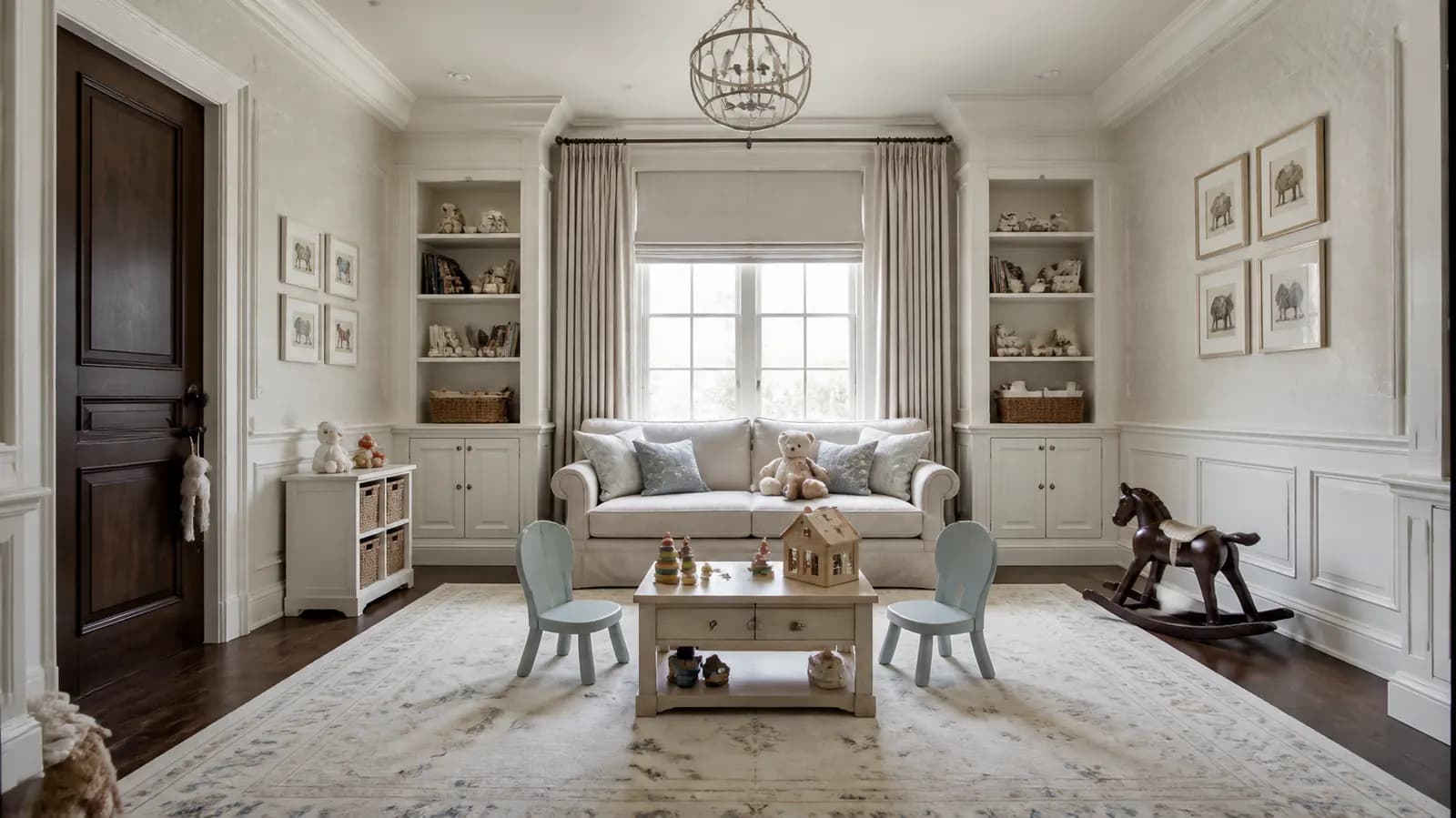
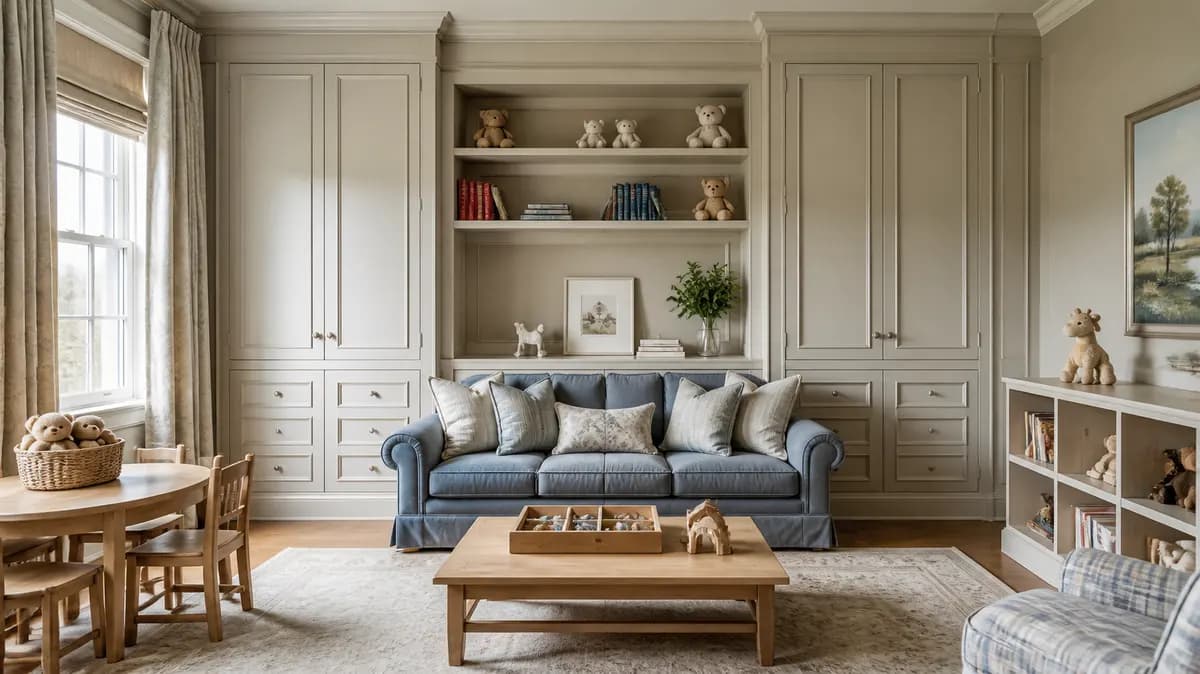
Traditional kids' room design draws on classic European and American interiors, creating a space that feels timeless, orderly, and narrative-rich. It favors symmetry, quality craftsmanship, and pieces with a sense of history. The style is defined by what it includes: dark-stained woods like cherry or walnut, detailed millwork such as wainscoting and crown molding, and classic patterns like toile, gingham, and stripes. It’s a deliberate move away from fleeting trends, aiming for a room that feels just as appropriate for a toddler as it does for a teen.
Three principles guide an authentic Traditional kids' room. First, Order and Symmetry: furniture is often arranged in balanced compositions, such as a bed flanked by two matching nightstands and lamps. Second, Quality and Longevity: pieces are chosen for their solid construction and classic lines, intended to be heirlooms rather than disposable. Think a solid wood dresser that can later serve a guest room. Third, Character and Storytelling: the room is a backdrop for personal collections, classic books, framed art, and monogrammed details that tell the child's story.
In 2026, the appeal of Traditional design is its stability and warmth in a fast-paced world. It provides a comforting, structured environment that feels both elegant and personal. It’s a style that photographs with a sense of permanence and depth, contrasting with the more ephemeral aesthetics popular on social media. It pairs beautifully with adjacent styles like English Country and Grandmillennial, allowing for layers of pattern and personal charm to be added over time.
12 Real Traditional Kids' Room Examples
Each example below is a complete look — not a mood board. Click any image to see it full-size, then hit the generate button to try the same combination on your own room photo.
 1Example
 2Example
 3Example
 4Example
 5Example
 6Example
 7Example
 8Example
 9Example
 10Example
 11Example
 12Example
Key Design Elements
Colors
- Creamy whites and buttermilk for walls and trim.
- Classic blues (powder, navy) and soft pinks.
- Muted greens like sage and celadon.
- Rich wood tones from cherry, walnut, and mahogany.
- Polished brass or antique bronze metallic accents.
Materials
- Solid wood (cherry, walnut, painted maple) for furniture.
- Polished or antiqued brass for hardware and lighting.
- Natural fiber textiles: cotton, linen, wool.
- Classic wallpaper: toile, gingham, stripes, or florals.
- Detailed millwork: crown molding, wainscoting, and baseboards.
Furniture
- Spindle, sleigh, or four-poster bed frames.
- Campaign or bow-front dressers with decorative hardware.
- Built-in bookcases and window seats for integrated storage.
- A classic writing desk with a matching wooden chair.
- A small-scale wingback or club chair for a reading nook.
Lighting
- A central chandelier (crystal, brass, or shaded).
- Brass or bronze wall sconces, often flanking a bed or mirror.
- Table lamps with pleated or patterned fabric shades.
- An adjustable metal task lamp on the desk.
- Dimmers on all light sources to control ambiance.
Textiles
- Patterned bedding: gingham checks, classic stripes, or toile.
- A durable wool rug, often with a Persian or Oriental pattern.
- Custom window treatments like Roman shades or tailored curtains.
- Embroidered or monogrammed throw pillows and shams.
- Upholstered headboards or chairs in solid linen or velvet.
Traditional Kids' Room Color Palette
Six pigments form the foundation of this timeless look. Use them as your base.
A warm, soft white for walls and trim that provides a classic backdrop without feeling stark. It pairs beautifully with dark woods.
Used for feature walls, built-in cabinetry, or as a primary pattern color. It adds depth and a sophisticated, nautical touch.
A calming, historic green for walls or furniture. It's gender-neutral and feels connected to nature, promoting a restful atmosphere.
A muted, sophisticated pink that avoids saccharine sweetness. Perfect for bedding, upholstery, or as a soft wall color.
The foundational tone for furniture. Its rich, reddish-brown hue provides warmth and a sense of history and permanence.
The essential metallic accent for hardware, lighting, and mirror frames. It adds a warm, reflective layer of classic elegance.
Must-Have Furniture & Fixtures
Focus on these seven pieces to create an authentically Traditional foundation.
A Classic Bed Frame
Choose a timeless silhouette like a spindle, four-poster, or sleigh bed in a dark wood stain or classic painted finish.
Patterned Wallpaper
An accent wall or full room in a classic print—toile, gingham, or a botanical stripe—instantly establishes the Traditional aesthetic.
A Substantial Dresser
Select a solid wood dresser with classic details like bow fronts, bracket feet, or campaign-style brass hardware.
Built-in Bookcases
Floor-to-ceiling shelves, ideally flanking a window or bed, provide orderly storage and a place to display treasured objects.
A Wool Area Rug
A high-quality wool rug in a Persian, Oriental, or plaid pattern grounds the room and adds a layer of comfort and color.
Tailored Window Treatments
Custom-fit Roman shades or pleated curtains in a coordinating fabric add a soft, polished finish that bare windows lack.
A Reading Nook Chair
A small-scale upholstered armchair, like a wingback or club chair, creates a dedicated, cozy spot for reading.
Common Mistakes to Avoid
Making it a museum — a Traditional room must be livable. Ensure textiles are durable and there's ample space for play.
Ignoring modern storage needs — classic furniture isn't always designed for modern toys. Integrate hidden storage within window seats or use classic woven baskets.
Being too theme-heavy — instead of a full 'princess' or 'nautical' theme, incorporate motifs subtly through patterns and art for a look that won't date.
Forgetting scale — adult-sized Traditional furniture can overwhelm a small child's room. Choose appropriately scaled pieces or those that feel grounded.
Skipping layers — a bed and a dresser alone is not enough. The style's richness comes from layering patterns, textiles, lighting, and personal art.
Try Traditional Kids' Room in Your Own Room
Upload a photo of your real kids' room. Get a photorealistic Traditional redesign in about 30 seconds. 4 free credits, no card.
Generate Your Traditional Kids' Room FreeOther Traditional Rooms
Apply the same palette and principles to the rest of the home.


Other Kids' Room Styles
Same room, different aesthetic — explore the rest of the kids' room style library.


Traditional Kids' Room — Frequently Asked Questions
What colors define a Traditional kids' room?
How do you make a Traditional room feel playful, not stuffy?
What kind of furniture is best for a Traditional kids' room?
How is Traditional different from Grandmillennial for a kids' room?
What flooring is best for a Traditional kids' room?
How can I design a Traditional room that grows with my child?
How to Design a Traditional Kids' Room
Five decisions, in this order. Get these right for a timeless look.
- 1
Establish a Timeless Color Palette
Start with a warm, creamy white base. Choose one or two soft, historic colors like sage green or powder blue for the walls or key textiles. Let the rich tones of dark wood furniture be the grounding element. Keep the palette concise and calm.
- 2
Select Heirloom-Quality Anchor Furniture
Choose the bed and dresser first. Opt for solid wood pieces with classic lines (spindle, sleigh, campaign). These are investment pieces that will define the room's character and should be chosen for their longevity in both style and construction.
- 3
Layer with Classic Patterns and Textiles
This is where personality comes in. Choose one main pattern—like a toile wallpaper or a gingham duvet—and support it with simpler solids and stripes. Add a plush wool rug for texture and tailored window treatments to soften the space.
- 4
Integrate Smart, Concealed Storage
A Traditional room is an orderly one. Plan for storage beyond the dresser. Built-in bookcases are ideal. Use classic lidded wicker or canvas bins to conceal plastic toys, keeping the room feeling serene and uncluttered.
- 5
Personalize with Art and Collections
The final layer is what makes it theirs. Frame children's book illustrations, maps, or their own artwork in classic frames. Display treasured collections on shelves. Add a monogram to a pillow or sham for a final, bespoke touch.
Keep Exploring
Tools and guides that pair with this style.