AI Virtual Staging — Sell Listings 73% Faster with Furnished Photos
Turn empty rooms into beautifully staged spaces in 30 seconds. 60+ design styles, 4K resolution for MLS, and an AI Editor to tweak colors and furniture with text commands. No physical staging needed — stage your entire portfolio for the price of one traditional room.

Empty Listings Don't Sell — Staged Ones Do
Every real estate agent knows the challenge: an empty room photographs flat. Buyers scroll past vacant listings because they can't picture themselves living there. According to the National Association of Realtors, staged homes sell up to 73% faster and for up to 25% more than unstaged properties. Yet traditional staging costs $2,000–$5,000 per property and takes days to arrange.
That's why top-performing agents are switching to AI virtual staging — a faster, cheaper, and infinitely more flexible alternative. Over 10,000 users already trust GenRoom for their design needs.
How GenRoom Helps Real Estate Agents
GenRoom lets you transform empty listing photos into beautifully furnished rooms in three simple steps:
- Upload your listing photo — any room, any angle. A phone photo or professional shot both work perfectly.
- Choose a style — pick from 60+ design styles including modern, Scandinavian, minimalist, classic, industrial, coastal, farmhouse, art deco, mid-century modern, and more. Match the style to the neighborhood and target buyer.
- Download your staged image — in about 30 seconds, you get a photorealistic render with furniture, decor, and finishes that make the space come alive. Upscale to 4K resolution (free on Basic and Pro) for crisp images on MLS and print materials.
The AI preserves every architectural detail — windows, doors, ceiling height, and room proportions stay exactly as they are. Only the furnishings change, giving buyers a realistic impression of the room's potential without misleading them about the space itself.
Fine-Tune Staging with the AI Editor
GenRoom's AI Editor sets it apart from other virtual staging tools. After generating a staged image, you can refine it with simple text commands: "make the walls warmer," "switch to hardwood floors," "add a statement light fixture," "make the sofa gray." This lets you match staging to specific buyer preferences without re-generating from scratch — a level of control that physical staging simply cannot offer.
Why Agents Choose AI Staging Over Traditional Methods
Traditional staging ties up your budget and timeline. You pay thousands per listing, wait for delivery and setup, and then pay again for removal. If a listing sits on the market, you're locked into that single style. With GenRoom, you can stage every room in multiple styles, swap looks instantly, and spend a fraction of what physical staging costs.
AI staging also scales effortlessly. Whether you have one listing or fifty, every property gets professionally staged photos within minutes — giving your entire portfolio a competitive edge on MLS, Zillow, Realtor.com, and social media.
The Numbers That Matter
- 73% faster sales for staged homes (NAR data)
- $2,000–$5,000 saved per listing vs. physical staging
- 30 seconds per staged image vs. days of coordination
- 60+ styles to match any buyer demographic
- 4K resolution for MLS, Zillow, and print-ready quality
Common Staging Mistakes That Kill Deals
Even experienced agents make staging errors that reduce buyer interest and lower offers. Watch out for these:
- Over-personalising the staging. Heavy cultural decor or very specific taste alienates more buyers than it attracts. Aim for broadly appealing, neutral-warm aesthetics.
- Staging only the hero room. Buyers judge every room in a listing. A beautifully staged living room next to an empty, sterile bedroom creates cognitive dissonance.
- Using low-resolution images. Blurry or dark listing photos undo all staging work. Always use high-resolution, well-lit images — GenRoom's 4K upscale option is ideal for MLS.
- Ignoring the kitchen and bathrooms. These are the rooms buyers scrutinise most. AI staging these spaces pays the highest dividend.
- Mismatching style to neighborhood. A sleek, industrial loft aesthetic in a family suburb signals the wrong buyer. Match staging style to the typical buyer profile for that street.
- Forgetting exterior staging. Curb appeal drives click-throughs on listing portals. AI facade and yard visualization is as important as interior staging.
Matching Staging Style to Property Type
A compact city apartment sells best with a minimalist or Scandinavian staging style — clean lines, light colors, and a sense of spaciousness. A suburban family home benefits from a warm contemporary or farmhouse aesthetic that signals comfort and practicality. Luxury properties command premium aspirational styles: mid-century modern, art deco, or classic with high-end finishes. Historic properties — Victorian terraces, Art Nouveau apartments — respond well to heritage-inspired staging that complements original architectural features rather than fighting them. With GenRoom, you can generate the same listing in three different styles in under two minutes and choose whichever resonates best with your target buyer demographic.
AI Staging vs. Physical Staging: The Real Numbers
Traditional physical staging for a single property involves furniture rental, delivery, setup, and removal — costs that add up to several thousand per listing, and the style is locked in once the furniture arrives. If the property sits on the market, you cannot easily switch looks. AI virtual staging with GenRoom costs a small fraction of physical staging: you generate multiple fully furnished rooms in different styles within minutes, swap looks instantly if the listing needs refreshing, and present buyers with photorealistic images that communicate the space's potential without misleading them about its actual condition. For agents managing multiple listings simultaneously, the time and cost savings compound significantly.
Pre-Listing AI Staging Checklist
- Photograph every room from the doorway and from at least one corner angle.
- Ensure photos are taken in daylight or with all lights on — AI staging works best with well-lit source images.
- Remove personal items, clutter, and any existing furniture you do not want in the staged image.
- Note the target buyer demographic for this property: family, young professional, investor, downsizer.
- Choose 2–3 staging styles to generate and compare for each key room.
- Generate living room, bedroom(s), kitchen, and main bathroom at minimum.
- Upscale hero images to 4K for MLS and print materials.
- Generate a facade visualization if the exterior needs visual improvement.
- Prepare a yard or garden visualization if outdoor space is a selling point.
- Export final images and integrate into the listing before going live.
Where AI-Staged Images Drive Real Results
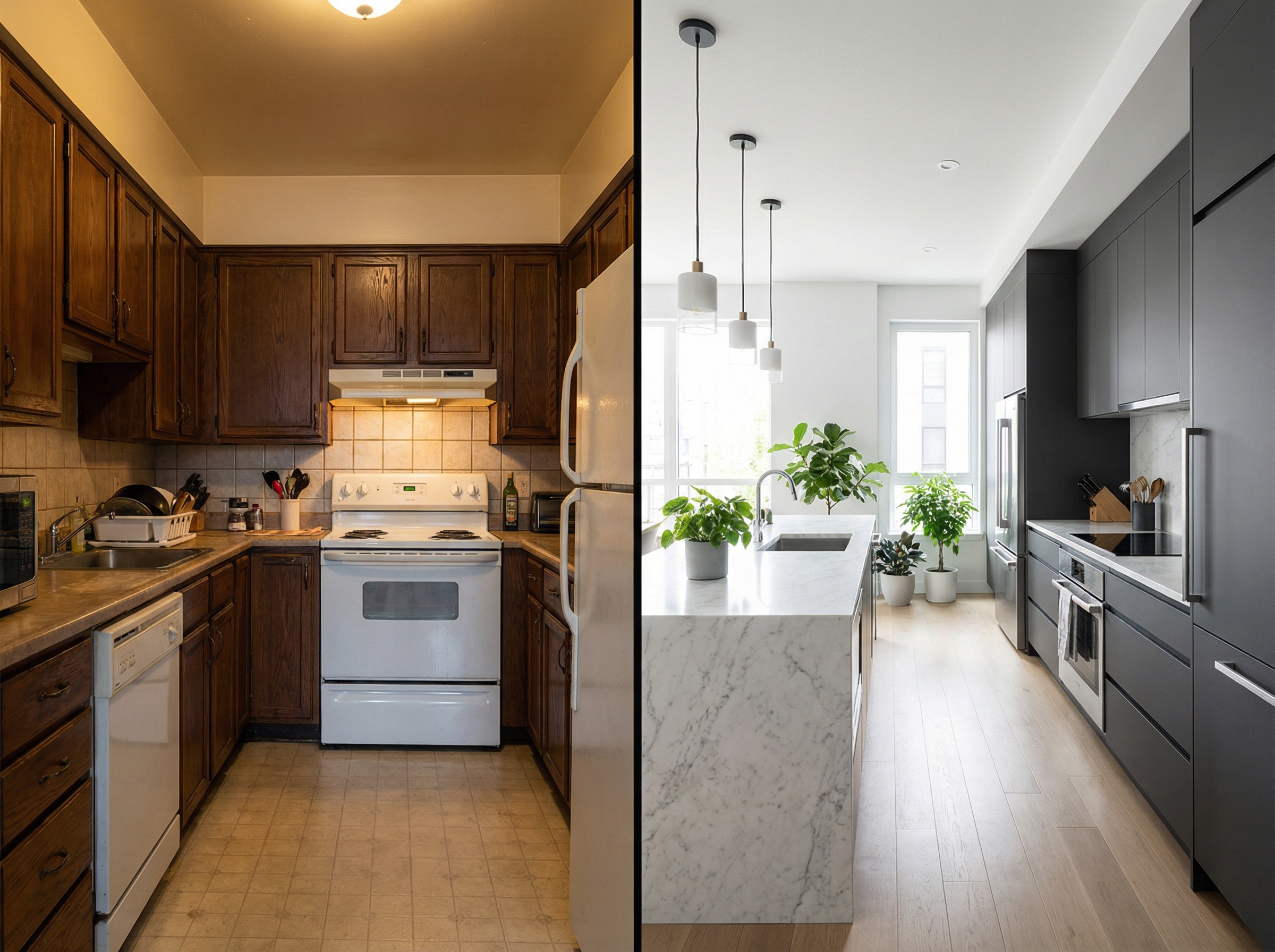
AI-generated staging images work across every channel in a real estate agent's toolkit. On MLS platforms and portals like Zillow, Rightmove, or Idealista, staged photos dramatically increase click-through rates versus empty-room photos. In email campaigns to buyer lists, a beautifully staged living room image increases open-to-viewing conversion. On social media, before-and-after staging comparisons generate organic engagement and demonstrate your value as an agent. In listing presentations to sellers, showing AI-staged versions of their current space builds instant trust and wins mandates. For investor clients, multiple style options in a single document help communicate the property's rental appeal across different tenant profiles.
Generating Listing Content at Scale
For agents managing a high volume of listings, the ability to generate professional staging content quickly is a significant competitive advantage. GenRoom allows you to stage every room in a property in under ten minutes — upload photos of all rooms, select the appropriate style, and download all staged images in a single workflow. For agents managing ten or twenty active listings, this represents a substantial time saving compared to coordinating physical staging across multiple properties simultaneously. The consistency of AI staging also benefits portfolio marketing: a consistent aesthetic across your listed properties communicates a professional, high-presentation brand that distinguishes your listings from competitors on portal search results pages. Developers and property managers with large portfolios find AI staging particularly valuable for rental listings, where properties turn over frequently and re-staging needs to be fast and cost-efficient.
Building a Market Reputation Through Consistent Presentation
In competitive real estate markets, the visual quality of listing photography has become a direct proxy for agent quality in the minds of both sellers and buyers. Sellers choose agents whose listings consistently look polished and professionally presented. Buyers associate poor listing photography with unmotivated or unprofessional agents, regardless of the underlying property's quality. Building a reputation for consistently outstanding listing presentation — through AI staging, professional photography, and high-quality marketing materials — differentiates you from competitors in a way that is visible on every portal, in every presentation, and to every potential client. Agents who invest in visual presentation tools like GenRoom report that sellers actively seek them out based on the quality of their existing listings, creating a compounding competitive advantage: better presentation attracts more listings, which attracts more buyers, which generates more sales and referrals.
Training Your Team to Use AI Staging Consistently
For real estate teams and agencies, the value of AI virtual staging is multiplied when it is adopted consistently across the whole team rather than used sporadically by individual agents. Establishing a clear workflow — who photographs listings, when AI staging is applied, what styles are used for which property types and price points, how staged images are labelled and integrated into listing materials — creates a consistent quality standard across all listings. Training takes only a few minutes per agent: the GenRoom interface is designed for non-technical users and most agents are fully productive within their first session. An agency that adopts consistent AI staging across its portfolio develops a market identity for visual quality that attracts better-quality instructions and commands stronger client loyalty than competitors who stage inconsistently. Consider creating a brief style guide for your team: which staging style suits which neighborhood, how many rooms to stage per listing, and the preferred image resolution for different marketing channels.
AI Staging for Different Property Price Points
Virtual staging style should be calibrated to the property's price point and target buyer to ensure that buyers develop realistic expectations when they visit in person. Entry-level and mid-market properties benefit most from warm, contemporary, accessible staging that signals move-in readiness without setting unrealistic luxury expectations — a Scandinavian or warm minimalist approach works well in this segment. Mid-to-upper market properties can carry more aspirational staging: mid-century modern, contemporary luxury, or art deco aesthetics that communicate design awareness and quality of life to design-literate buyers. Luxury and trophy properties require staging that matches the architectural quality of the property itself — premium materials, considered compositions, and a styling approach that reflects genuine interior design expertise rather than generic furnished-apartment aesthetics. Using a staging style that is inappropriate to the property's price point creates a mismatch that buyers notice, consciously or not: over-staging a modest property creates disappointment at the viewing, while under-staging a premium property leaves value uncommunicated. GenRoom's 60+ style range allows precise calibration to any price point and buyer demographic.
Measuring the ROI of AI Staging in Your Business
The return on investment from AI virtual staging is measurable at both the individual listing level and across the portfolio. At the listing level, track time-on-market for staged versus unstaged listings in the same price bracket and neighborhood — staged properties consistently clear faster, reducing carrying costs for sellers and freeing up your time for new instructions. Track click-through rates on portal listings before and after introducing AI staging — most agents who measure this see a significant improvement in the ratio of property views to listing impressions. At the portfolio level, monitor whether the visual quality of your listings is driving inbound inquiries from sellers — agents who are known in their market for outstanding listing presentation attract instructions from quality-conscious sellers who want their property presented at its best. The cost per staged image is a small fraction of the commission earned on a single successful sale: even if AI staging contributes only marginally to a single transaction, the financial case for adoption is straightforward.
Ready to stage your next listing? Try GenRoom free and see the difference AI staging makes for your business.
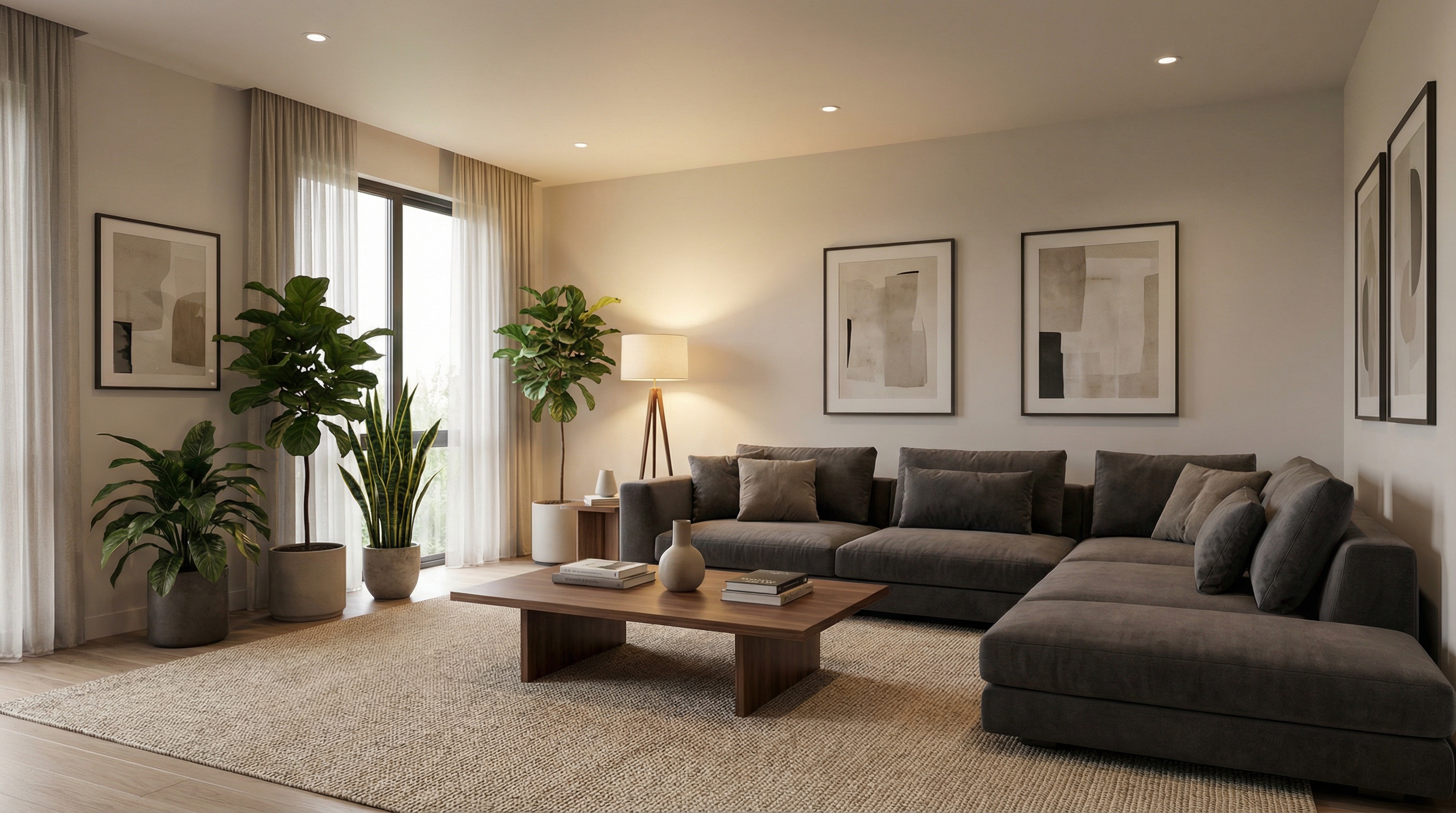
AI Virtual Staging Examples
Why 10,000+ Agents Use GenRoom for Virtual Staging

Stage Any Room in 30 Seconds
Upload an empty room photo and get a fully furnished, photorealistic image in seconds. Living rooms, bedrooms, kitchens, dining rooms, home offices — every room type is supported. Stage an entire 5-room listing in under 10 minutes. No waiting for deliveries, setup crews, or removal fees.
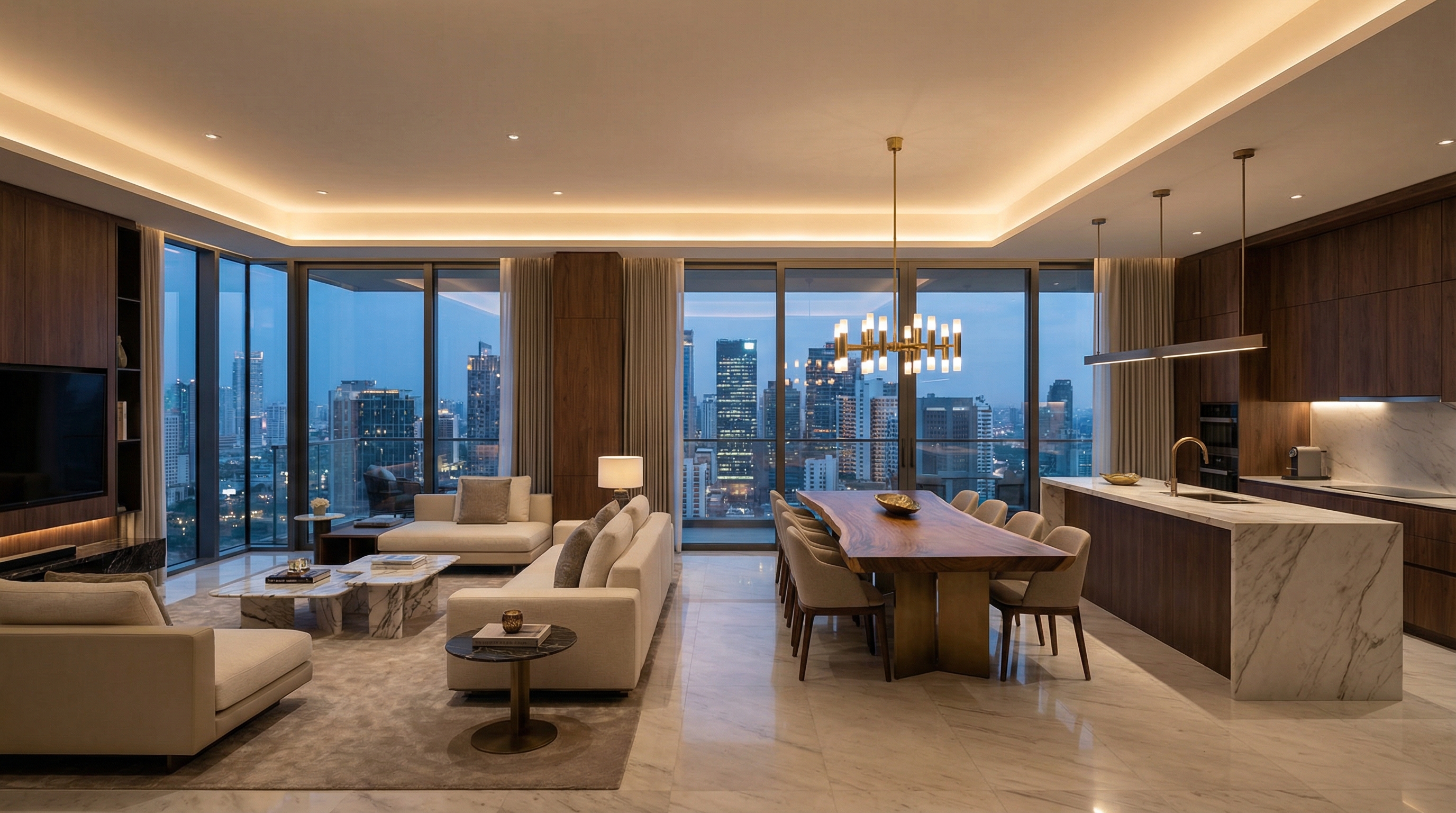
60+ Styles to Match Any Buyer Demographic
Target your staging to the right audience. Coastal for beachside condos, minimalist for urban lofts, classic for suburban homes, modern for new builds, farmhouse for rural properties. Switch styles on the same photo instantly to find what resonates with your market — something impossible with physical staging.

Save $2,000–$5,000 Per Listing
Physical staging costs $2,000–$5,000 per property and takes days to arrange. GenRoom stages a room for under a dollar and delivers in 30 seconds. Stage every listing in your portfolio — not just the high-value ones. The AI Editor lets you fine-tune results with text commands like 'make the sofa darker' or 'switch to hardwood floors.'
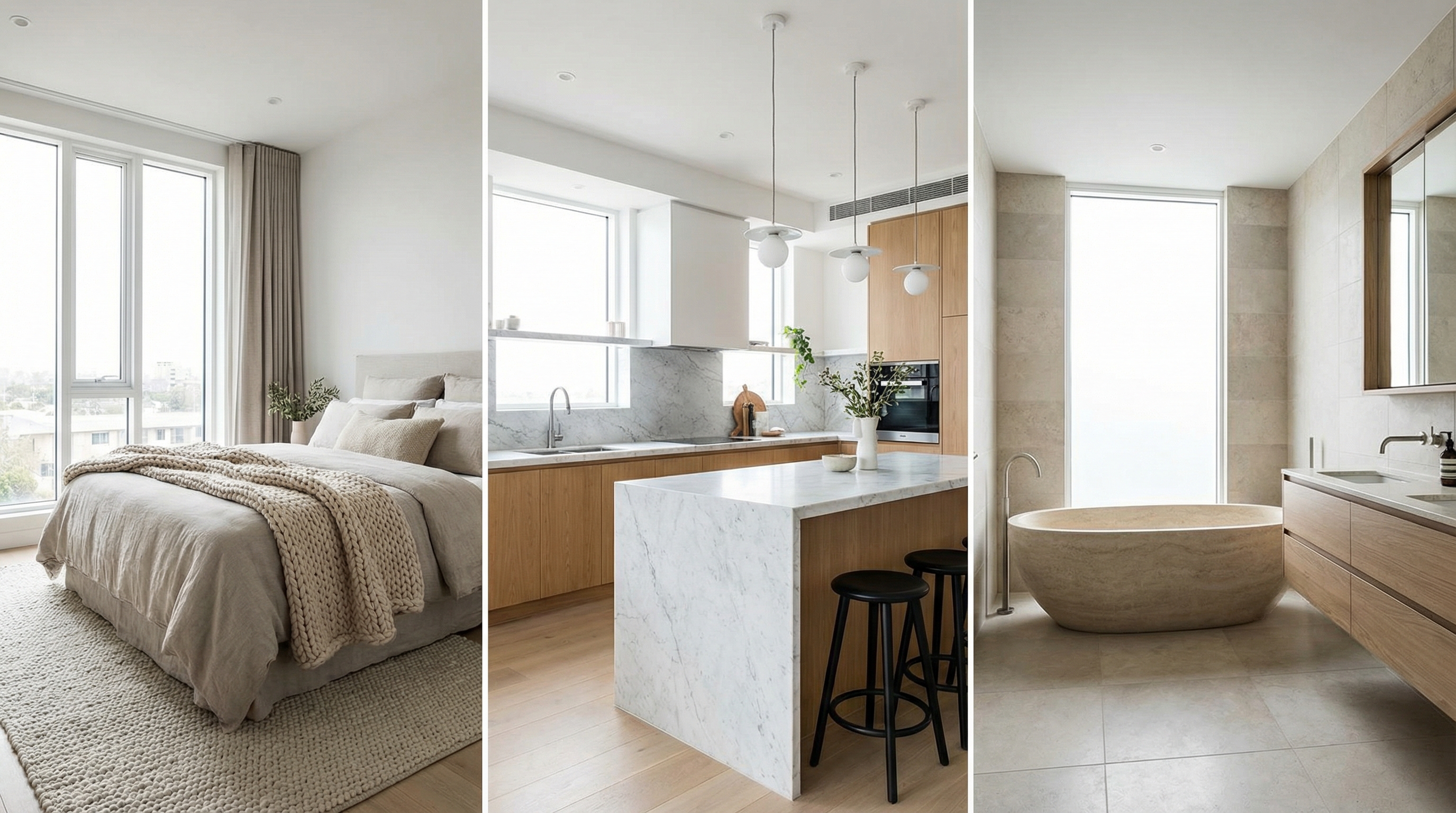
4K MLS-Ready Images with No Watermark
GenRoom's latest image models produce photorealistic renders with sharp textures and accurate lighting. Upscale to 4K for crisp images on MLS, Zillow, Realtor.com and print brochures — free on Basic and Pro. Paid packs include watermark-free downloads ready for immediate use in listings and marketing materials.
Stage Your Next Listing in 30 Seconds
Upload an empty room photo, choose from 60+ styles, and download a photorealistic staged image. Use the AI Editor to fine-tune colors and furniture. Your first designs are free — no credit card required.
Explore More GenRoom Solutions
GenRoom helps real estate professionals, designers, and homeowners transform spaces with AI. Explore our other tools and use cases.
Virtual Staging for Real Estate — FAQ
- AI virtual staging uses generative AI to digitally furnish empty rooms in listing photos. The AI analyzes the room layout, detects walls, windows, and doors, then generates realistic furniture and decor while preserving the original architecture. The result is a photorealistic image that helps buyers visualize the property as a furnished home. GenRoom's latest image models produce sharp textures and accurate lighting for professional-quality output.
- Traditional physical staging typically costs $2,000 to $5,000 per property and requires coordination with a staging company, delivery, setup, and removal. GenRoom AI staging costs well under a dollar per image — from about $0.27 per design on the Pro pack. You can stage an entire listing in minutes. Your first designs are free to try with no credit card required.
- Yes, virtually staged photos are widely accepted on MLS, Zillow, Realtor.com, Redfin, and other listing platforms. Most platforms require that you label virtually staged images as such, which is standard industry practice. GenRoom's output represents a realistic impression of how the space could look when furnished, which is exactly what these platforms expect.
- Absolutely. You can upload photos of every room in a property — living room, bedrooms, kitchen, dining room, bathrooms, home office — and stage them all. GenRoom offers 60+ design styles, so you can try modern, Scandinavian, coastal, farmhouse, and more on the same room to see what resonates best with your target buyer demographic. The AI Editor also lets you refine results with text commands.
- About 30 seconds per image. Upload the photo, pick a style, and the AI delivers a photorealistic staged version almost instantly. You can stage an entire 5-room property in under 10 minutes. Need a tweak? The AI Editor lets you adjust colors, furniture, and decor with simple text commands in seconds.
- No. GenRoom works with any photo — professional shots, smartphone photos, or even older listing images. Better lighting and wider angles will produce better results, but the AI handles a wide range of photo quality effectively. For best results, shoot in natural daylight from a corner of the room to capture the full space.
Explore more AI design tools
All our design categories in one place.