AI Bedroom Design — Create Your Perfect Bedroom in Seconds
Upload a photo of your bedroom, choose a style, and get a photorealistic AI-generated redesign in about 30 seconds. 25+ interior styles to explore, no design skills needed.
- 55,000+
- Bedrooms redesigned
- 4.8★
- Average rating
- 25+
- Bedroom styles
- 13
- Available in 21 languages
- ~30s
- Per render
Bedroom design directly affects how well you sleep, how you start your mornings, and how you recharge at the end of the day. The bedroom is the most personal room in your home — a space that should feel calm, comfortable, and completely yours. Great bedroom design considers color psychology, lighting layers, furniture scale, and textile choices to create an environment that promotes restful sleep and genuine relaxation.
Hiring an interior designer for a bedroom project can cost anywhere from $1,500 to $8,000, and the process of browsing inspiration, ordering samples, and finalizing a direction can stretch over weeks. With AI-powered bedroom design, you can see exactly what your bedroom would look like in a completely different style — in under a minute, from a single smartphone photo.
How AI Bedroom Design Works with GenRoom
Redesigning your bedroom with GenRoom is effortless:
- Upload a photo of your bedroom — primary suite, guest room, or studio apartment sleeping area. Any phone photo works.
- Choose a style from 25+ options: Scandinavian, minimalist, mid-century modern, Japandi, contemporary, classic, coastal, industrial, boho, and many more.
- Get your result in about 30 seconds — the AI preserves your room's dimensions, windows, and architectural features while transforming the bed, nightstands, lighting, textiles, and decor.
The AI understands bedroom-specific elements — headboard styles, bedside lighting, dressers, curtains, and rugs. It keeps the structural bones of your room intact and reimagines the furniture, color palette, and accessories to match the style you selected. Try a serene Japandi bedroom one moment and a bold mid-century modern look the next — all on the same photo.
Why Bedroom Design Matters
Research consistently shows that bedroom environment directly impacts sleep quality. Cool color tones, layered lighting with dimmable options, and a decluttered layout all contribute to better rest. Beyond sleep, a well-designed bedroom serves as a personal retreat — a place where the visual environment helps you decompress, not add to your stress.
The challenge is that bedrooms are hard to visualize from fabric swatches and furniture catalog photos alone. A headboard that looks perfect in a showroom might overwhelm a smaller room. A color palette that seems calming on Pinterest might feel cold under your specific lighting. GenRoom solves this by rendering your actual space in a new style — so you see how everything works together before making a purchase.
Common Bedroom Design Mistakes
- Bed too large for the room. A king bed in a small bedroom leaves no space for circulation and makes the room feel like a storage unit. Aim for at least 60–90 cm clearance on each side of the bed.
- Ignoring lighting layers. A single overhead light is the enemy of good bedroom atmosphere. Layer ambient, task (reading), and accent lighting on separate switches or dimmers.
- No blackout provision. Even minimal light intrusion disrupts sleep quality. Plan blackout blinds or lined curtains from the start, not as an afterthought.
- Undersized nightstands. A nightstand should be at the same height as the top of your mattress and wide enough for a lamp, phone, and a glass of water.
- Wrong rug size. A rug that is too small floats in the room and makes the space look unfinished. The rug should extend at least 60 cm beyond each side of the bed frame.
- Clutter-free storage not planned in advance. Built-in wardrobes and under-bed storage need to be decided before renovation, not improvised after.
Which Bedroom Style Suits Your Property?
A small urban bedroom benefits most from a minimalist or Japandi approach — a low platform bed, neutral tones, and hidden storage that keep the visual field calm and uncluttered. A spacious primary bedroom in a family home can carry a classic or contemporary aesthetic with upholstered headboard, layered textiles, and a dedicated dressing area. Period properties with original cornicing and high ceilings suit a neoclassical or traditional style, where the architectural details become part of the design. Rural properties — farmhouses, country houses — naturally gravitate toward warm, textured palettes with linen, wood, and natural stone. Coastal homes call for light blues, bleached timbers, and relaxed fabrics. Before choosing, generate the same bedroom in three to four styles with GenRoom to find the one that feels right.
Professional Designer vs. DIY vs. AI: Real Costs
Interior designers charge a consultation fee plus either a flat project rate or a percentage of furniture and materials purchased — for a bedroom project this commonly reaches several thousand before a single item is ordered. DIY browsing through catalogs takes dozens of hours and often leads to mismatched purchases that look good individually but wrong together. AI-powered visualization with GenRoom costs a fraction of any consultation and lets you see exactly how your bedroom will look in a new style before spending anything. The clarity that comes from seeing a photorealistic render of your actual room prevents the costly impulse purchases and returns that characterize DIY renovation.
Bedroom Project Checklist
- Photograph the room from all four corners, from the doorway, and looking up at the ceiling.
- Measure length, width, ceiling height, and the exact position and size of windows and doors.
- Note which direction windows face — east-facing rooms get morning sun, west-facing get evening light.
- Identify any built-in features to preserve: alcoves, chimney breast, original cornicing.
- Decide on bed size relative to room dimensions, leaving adequate circulation space.
- Plan wardrobe and storage before choosing decorative elements.
- Consider electrical outlet positions for bedside lamps and phone charging.
- Plan window treatments: blackout blinds, curtains, or both.
- Choose flooring material and rug size before finalising furniture layout.
- Establish a clear style direction before purchasing any individual item.
Where to Use AI-Generated Bedroom Designs
A photorealistic AI render of your redesigned bedroom is useful far beyond personal decision-making. Share it with your painter, carpenter, or interior fitter as a precise visual brief. Take it to a fabric showroom and ask staff to match the textile tones shown. Use it to get buy-in from a partner who may be hesitant about a bold design direction — seeing the result in your actual room is far more persuasive than describing it. If you are staging a property for sale, AI-generated bedroom images help buyers emotionally connect with the space. Designers use GenRoom bedroom renders in client proposals to show multiple concepts side by side, dramatically reducing the discovery phase of a project.
Bedroom Textiles and Atmosphere
In no other room do textiles contribute as much to the overall feeling as in the bedroom. The bed linen, curtains, rugs, and cushions collectively determine whether a bedroom reads as calm and luxurious or stark and cold. Linen bedding has become the dominant choice in contemporary and Scandinavian bedrooms for good reason: it regulates temperature, softens beautifully with washing, and has a natural texture that no synthetic alternative replicates. Blackout curtains or blinds are a practical necessity in a bedroom regardless of style — they can be layered with sheer curtains for a softer, more luxurious look. Area rugs beside and around the bed provide warmth underfoot in the morning and visually anchor the sleeping area within a larger room. Layer textures within a restrained color palette: linen, cotton, velvet, and wool in two or three harmonious tones create depth without visual noise. GenRoom's AI visualizations reflect textile choices accurately — use it to test different bedding and curtain combinations before purchasing.
Bedroom Storage: Solving the Perennial Problem
Adequate storage transforms a bedroom from a cluttered holding space into a genuine sanctuary. Built-in wardrobes — floor to ceiling, with doors that align with the room's lines — are the most space-efficient solution and add the most property value, but they require planning and a larger budget. Freestanding wardrobes offer flexibility and can be taken with you when you move, but they rarely use vertical space as efficiently. Under-bed storage is an underused resource in most bedrooms: beds with integrated drawers or with clearance for rolling storage containers can absorb an enormous amount of bedding, seasonal clothing, and accessories. Bedside tables with drawers or shelving replace surface clutter with organised storage. In a master bedroom, a small dressing area — even an alcove with hanging rail, shelving, and a mirror — transforms the functionality of the whole room. Use GenRoom to visualize different storage configurations in your bedroom before committing to built-in furniture.
Master Bedroom vs. Guest Bedroom: Design Differences
The master bedroom and guest bedrooms serve different functions and deserve different design approaches. The master bedroom is a private retreat for the property's primary residents — it can afford to be more personal, more indulgent, and more specifically tailored to individual preferences for color, texture, and atmosphere. A dedicated dressing area, higher-quality bedding, blackout curtains, and bespoke storage are investments worth making in a master bedroom. Guest bedrooms, by contrast, benefit from a more neutral, welcoming approach: a comfortable bed, adequate storage, good lighting including a bedside reading light, and a calm, broadly appealing aesthetic that suits visitors of different tastes. A guest bedroom that doubles as a home office requires careful planning: a sleeper sofa or daybed rather than a permanent bed allows the room to function primarily as a workspace without permanently sacrificing a sleeping space that may only be used occasionally.
Lighting Layers in the Bedroom
Bedroom lighting is the element most often planned last and regretted most. A single overhead pendant or a central ceiling downlight is the worst possible primary light source for a bedroom: it casts unflattering shadows downward, makes the room feel clinical, and cannot be dimmed low enough for the transition to sleep. A well-lit bedroom has at least three layers: a low-output ambient source (a central fitting on a dimmer, wall sconces, or indirect cove lighting) that fills the room softly; bedside reading lights positioned to illuminate a book or phone screen without lighting the whole room; and any accent or vanity lighting at the dressing area. Separate switches or smart lighting controls for each zone allow the bedroom's light to transition from full brightness for morning routines to complete darkness for sleep in a way that supports healthy sleep cycles. Smart bulbs with a warm amber setting (below 2200K) for the final hour before sleep help reduce blue light exposure. Plan the bedroom lighting circuit with an electrician before plastering — moving switch and outlet positions after walls are finished is a costly, disruptive afterthought.
The Psychology of Bedroom Colour
Colour in the bedroom has a direct physiological and psychological effect that makes it a more consequential choice here than in any other room. Cool tones — soft blues, sage greens, muted lavenders, and grey-greens — consistently produce calmer, more restful environments in bedroom settings; they lower perceived temperature and reduce arousal, supporting the transition to sleep. Warm tones — terracotta, amber, deep plum, warm taupe — create an intimate, enveloping quality that can feel luxurious in a bedroom, particularly with low evening lighting, but may feel energizing rather than restful if used too intensely. Very light colors — white, cream, pale grey — maximise light in a bedroom with small windows or north-facing aspect, but can feel clinical if not warmed by textiles and natural materials. Very dark colors — deep navy, forest green, charcoal — have had a strong moment in contemporary bedroom design and genuinely work in larger rooms with good natural light, where they create a cocooning quality that feels deliberately retreated. The most important rule: test your colour choice under the bedroom's actual artificial lighting in the evening, not just in daylight — many colors that appear neutral in daylight shift dramatically under warm artificial light.
Start exploring bedroom design ideas with GenRoom for free. Upload a photo of your bedroom and discover the style that feels right for you.
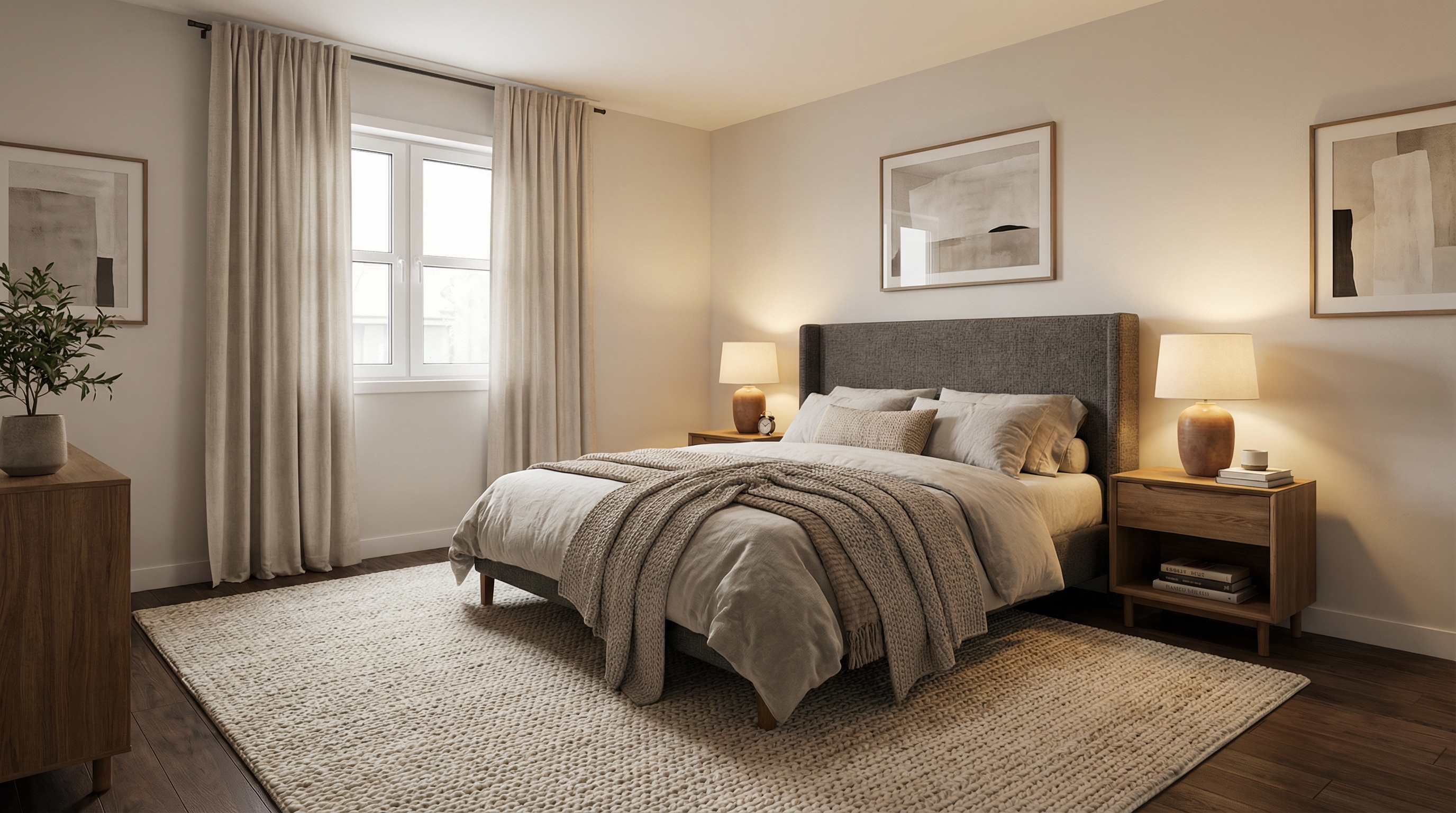
Redesign your bedroom in 3 steps
Upload a bedroom photo
Snap or upload a photo of your bedroom — any angle and any lighting works.
Pick a bedroom style
Choose from modern, minimalist, Scandinavian, boho, classic and 20+ more bedroom styles.
Get photorealistic results
AI restyles the bed, decor, walls and flooring in about 30 seconds while keeping your layout. Download and compare.
AI Bedroom Design Examples
Why GenRoom beats other bedroom design tools
Most bedroom tools need a 3D model or output flat mockups. GenRoom works from a single photo and keeps every result photorealistic.
| GenRoom AI | Room planner apps | Generic AI image tools | Hiring a designer | |
|---|---|---|---|---|
| Works from a single photo | ||||
| Photorealistic output | ||||
| Restyles bed, decor and finishes | ||||
| Ready-made bedroom styles | ||||
| No 3D model or floor plan needed | ||||
| Result in under a minute | ||||
| Available in 21 languages | ||||
| Free to start |
How AI Bedroom Design Works
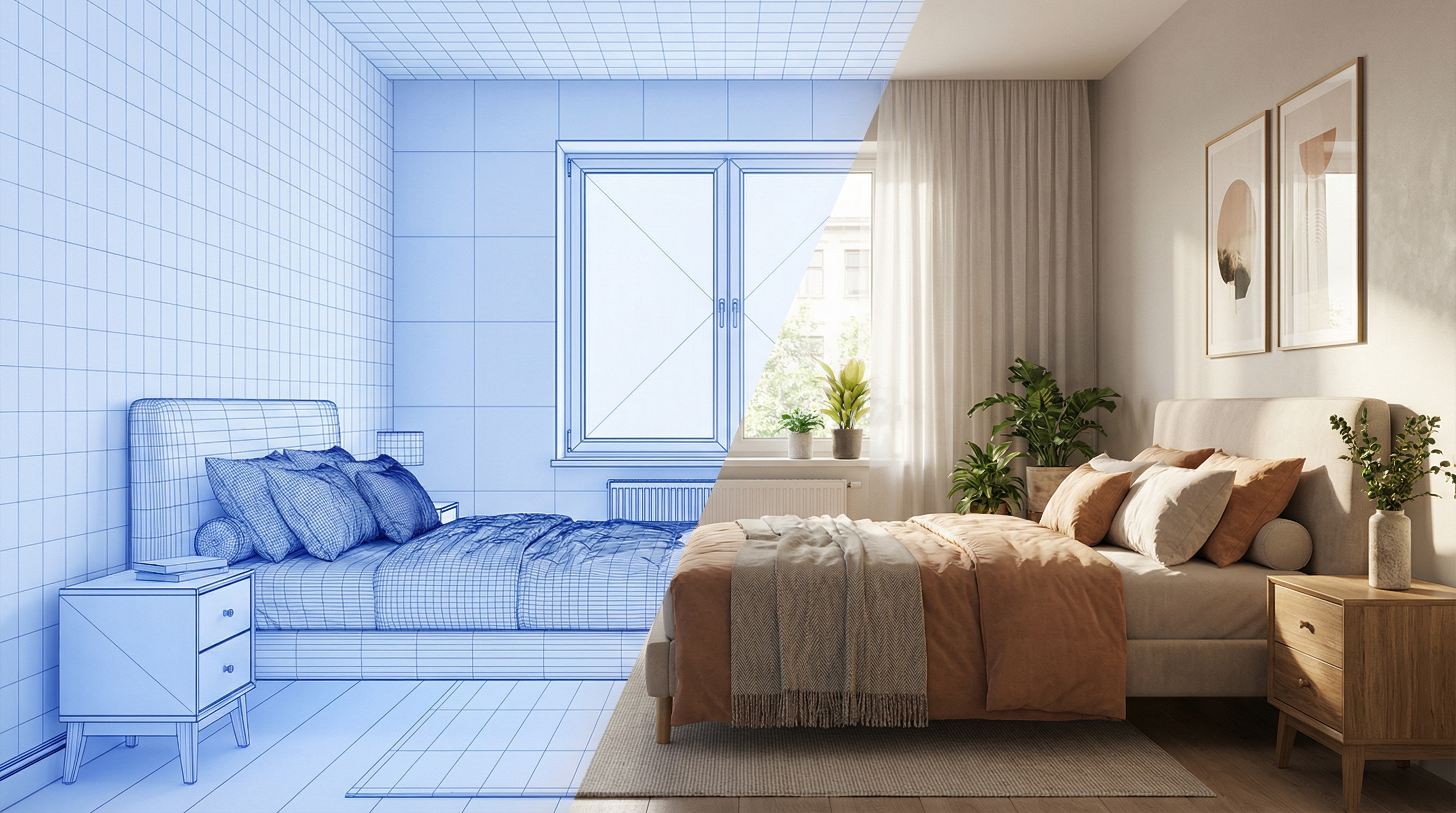
Bedroom Renders in 30 Seconds
Upload a photo of your bedroom and receive a photorealistic redesign almost instantly. The AI detects the bed, furniture, lighting, and layout — then renders a complete transformation in your chosen style.
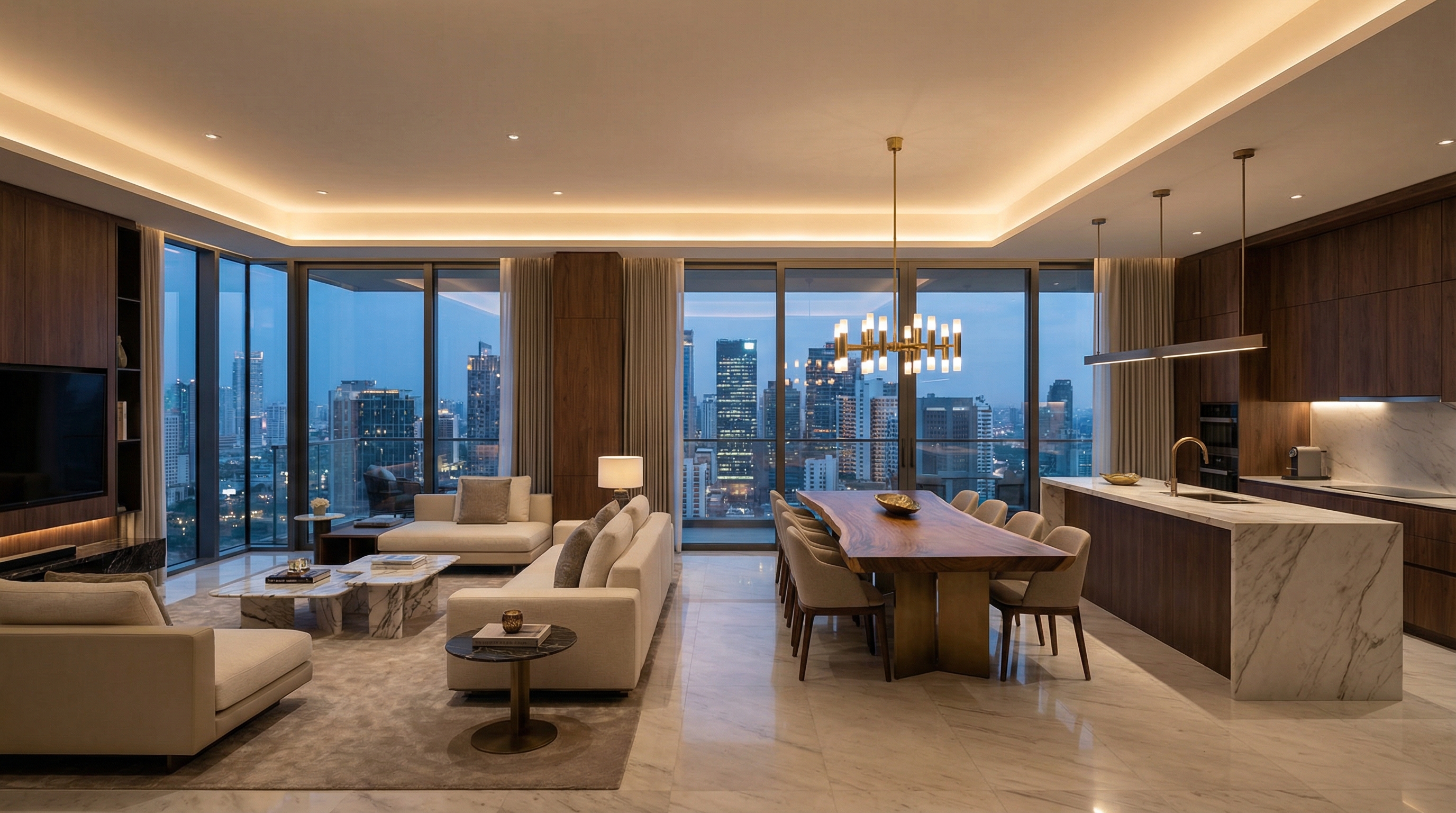
25+ Bedroom Design Styles
Scandinavian, minimalist, mid-century modern, Japandi, boho, coastal, classic, industrial, and more. Try multiple styles on the same bedroom photo to compare color palettes, furniture, and textiles side by side.
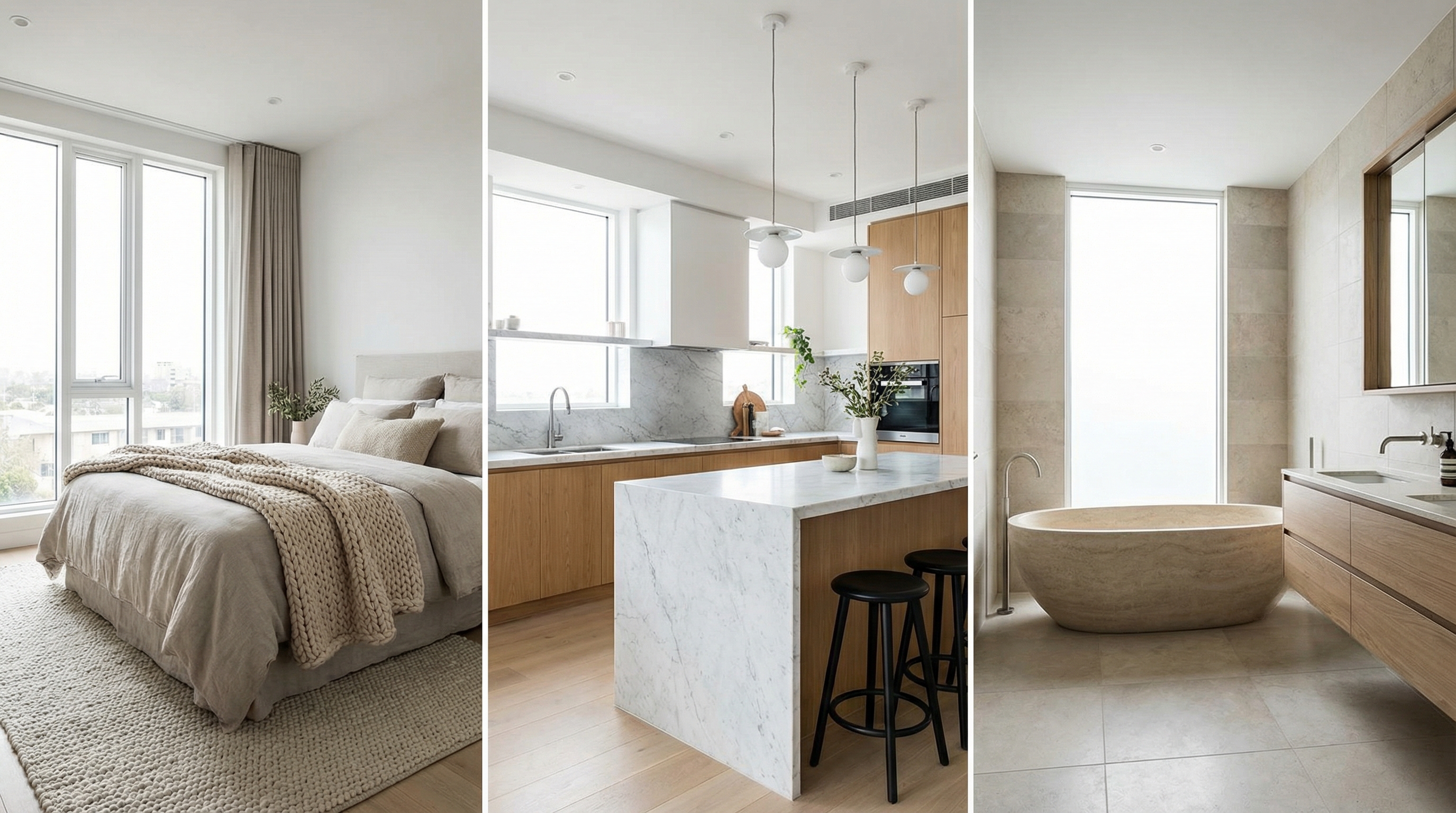
Works with Any Bedroom
Primary suite, guest bedroom, compact studio, or teen room — the AI handles every type and size. Whether your room has a king bed or a single, walk-in closet or none, just upload a photo and let the AI transform it.
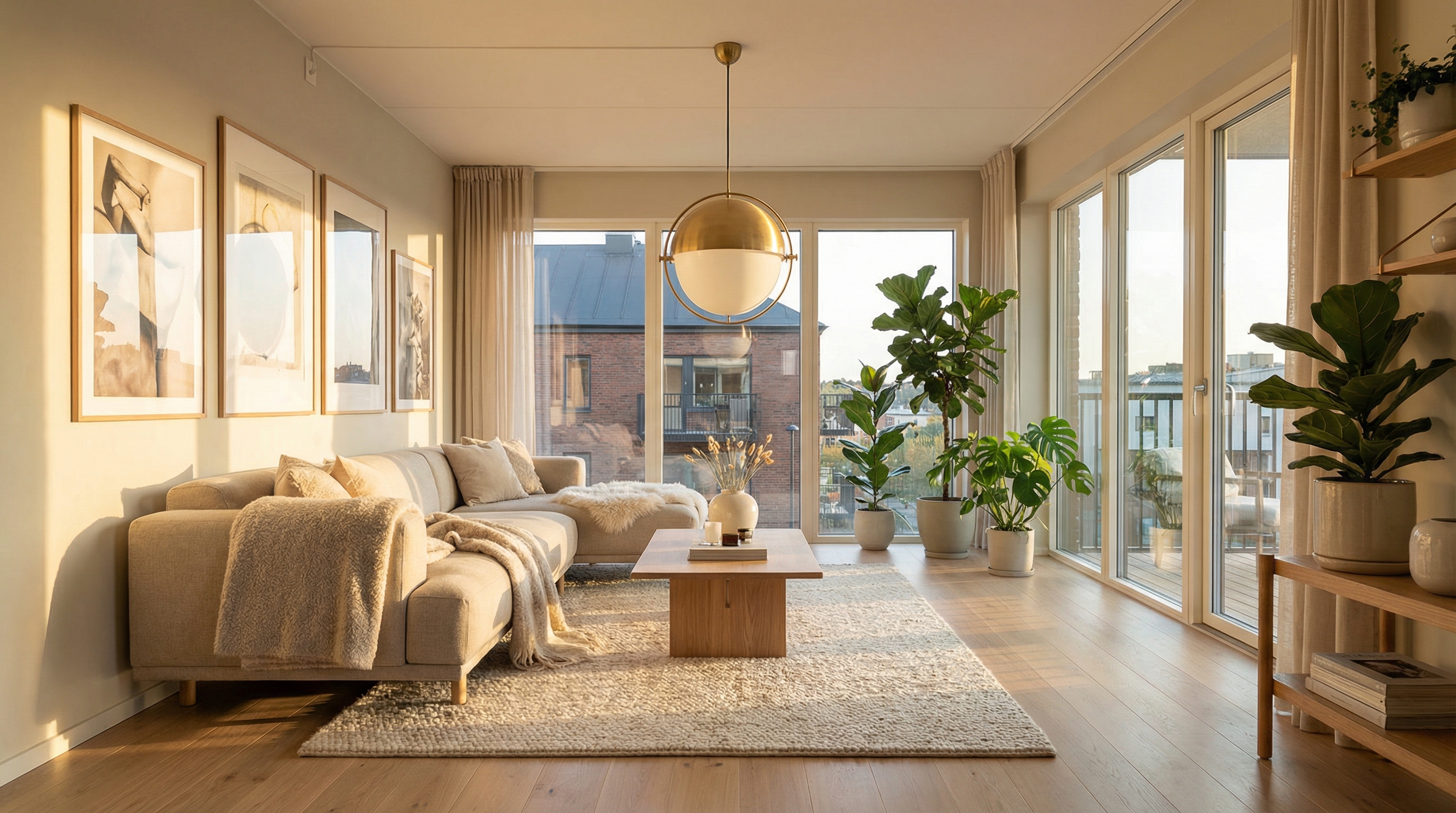
Design for Better Sleep
Explore calming color palettes, optimal furniture arrangements, and lighting setups that promote restful sleep. GenRoom helps you find a bedroom style that looks beautiful and supports genuine relaxation.
Who uses GenRoom for bedrooms
Homeowners
See how new furniture, colors and bedding look before spending on a makeover.
Interior designers
Generate bedroom concepts for client presentations in minutes, not days.
Renters and decorators
Try bold restyles risk-free and find a look that fits your space and budget.
Real estate agents
Stage and refresh empty or dated bedrooms virtually to attract buyers and renters.
Try AI Bedroom Design Now
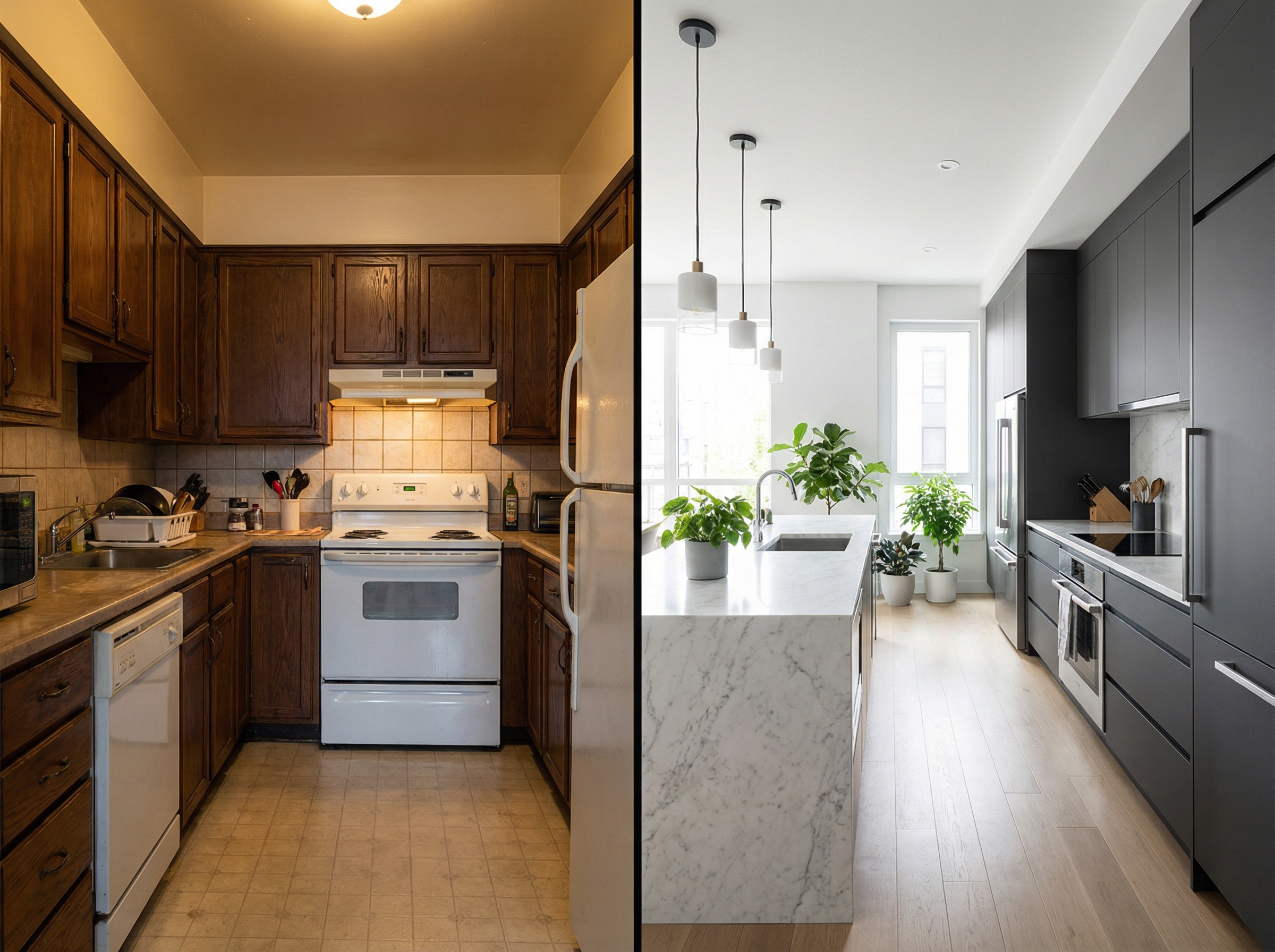
Upload a photo of your bedroom and see it transformed into any style in 30 seconds. Your first designs are free — no credit card required.
Choose Your Plan
Transparent pricing with no hidden fees
What Do GenRoom Users Say?
Transformed my living room in under a minute. The styles are genuinely distinctive.
Use it with clients before committing to a direction. Saves days of back-and-forth.
Virtual staging has never been this easy. Listings convert faster with it.
Bedroom Design FAQ
Everything about AI bedroom design.
- Upload a photo of your bedroom to GenRoom, select a design style from 25+ interior styles, and tap Generate. In about 30 seconds, you will receive a photorealistic render showing your bedroom with new furniture, textiles, colors, and decor — while keeping the original room layout intact.
- GenRoom offers 25+ bedroom styles including Scandinavian, minimalist, mid-century modern, Japandi, boho, coastal, classic, industrial, contemporary, art deco, farmhouse, neoclassical, and more. You can try as many styles as you like on the same photo.
- Yes. The AI works with bedrooms of any size. For smaller spaces, styles like Scandinavian or minimalist help maximize the sense of openness through light colors, streamlined furniture, and smart storage solutions. You can test multiple approaches to find what makes your small bedroom feel the most spacious.
- Sleep research suggests soft blues, muted greens, warm grays, and gentle earth tones promote the best rest. With GenRoom, you do not have to guess — upload your bedroom photo and try different styles to see how various color palettes actually look in your specific space and lighting conditions.
- Yes. Your first bedroom designs on GenRoom are completely free — no credit card needed. After that, affordable one-time credit packs are available — no subscription. Even paid plans cost a fraction of what a professional designer would charge.
- Absolutely. Many users share their GenRoom bedroom renders with furniture stores, painters, and contractors to communicate the exact look they want. The renders serve as a detailed style reference — showing color schemes, furniture choices, and textile pairings — that makes it easy for anyone to understand your vision.
- Yes. GenRoom restyles the bed, decor, walls and flooring while keeping your windows, doors and room proportions intact.
- Yes. GenRoom can swap the bed, wardrobes, nightstands, rugs, lighting and wall colors while keeping the structure of your bedroom intact.
- You get free credits to start with no card required. Paid packs add more credits and remove the watermark; Basic and Pro include free 4K.
- Yes. Commercial use is allowed on every plan, Free included — use your bedroom visualizations in client presentations, real estate listings and marketing. Free results carry a small watermark; paid packs remove it.
Explore more AI design tools
GenRoom redesigns every room of your home — and the outside too.
Explore more design solutions
Done with the bedroom? GenRoom can redesign every room in your home — plus outdoor spaces and building exteriors — all powered by AI.
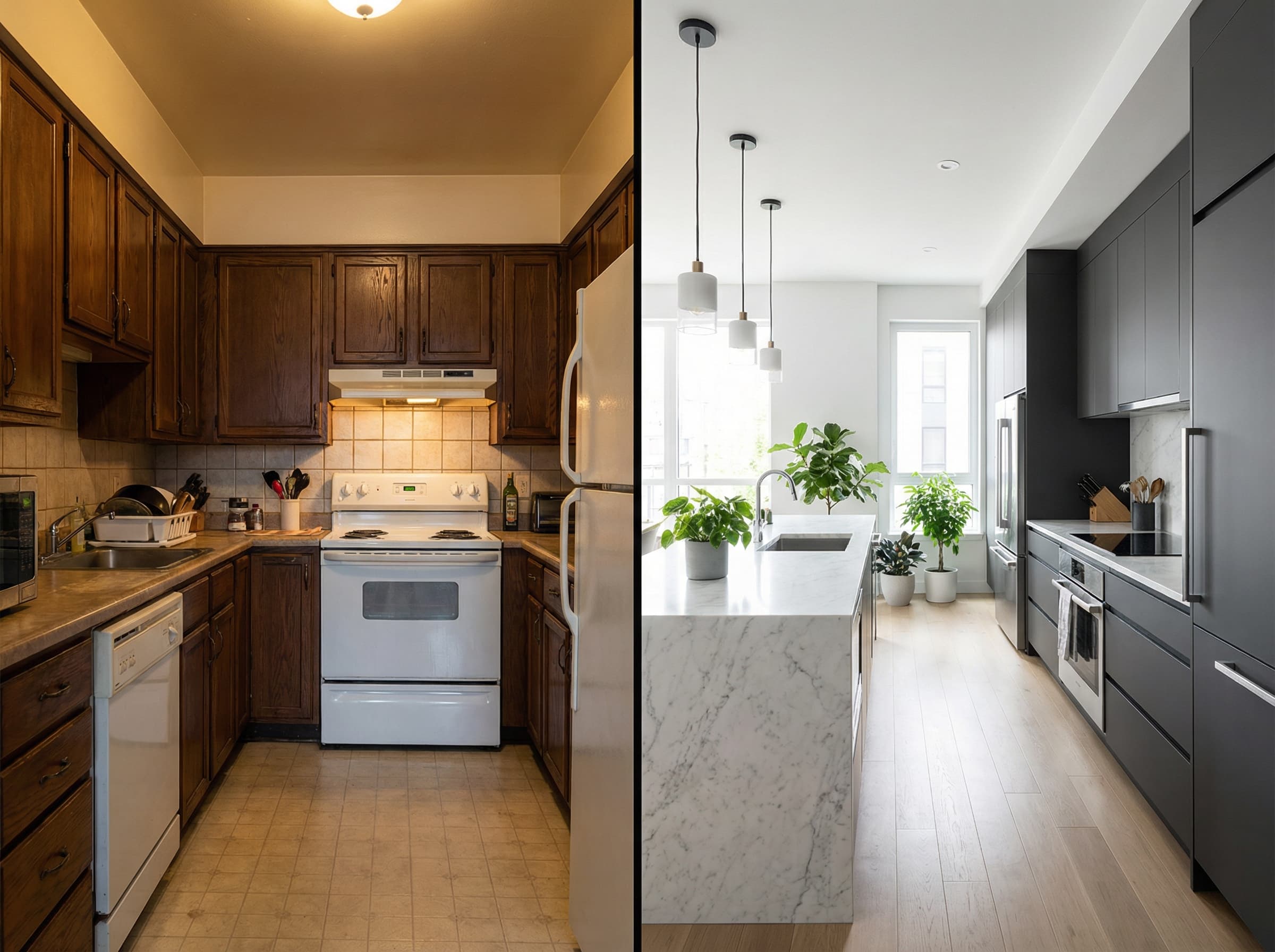
Redesign your bedroom today
Upload one photo and see your dream bedroom in seconds. Free to start, no credit card needed.
Design my bedroom freeExplore more AI design tools
All our design categories in one place.