AI Living Room Design — Transform Your Space in Seconds
Upload a photo of your living room, pick a style, and get a photorealistic AI-generated redesign in about 30 seconds. 25+ interior styles to explore, no design skills needed.
- 65,000+
- Living rooms redesigned
- 4.8★
- Average rating
- 25+
- Living room styles
- 13
- Available in 21 languages
- ~30s
- Per render
Living room design sets the tone for your entire home. It is the space where you relax after work, entertain guests, watch movies, and spend quality time with family. Because the living room serves so many functions, designing it well requires a thoughtful balance between comfort, style, and practicality — the right sofa arrangement, lighting that adapts from bright afternoons to cozy evenings, and a cohesive color palette that ties everything together.
Getting that balance right traditionally meant working with an interior designer, browsing through hundreds of photos for inspiration, and painstakingly assembling mood boards. With AI-powered living room design, you can skip straight to seeing the result — upload a photo of your current living room and watch it transform into any style in under a minute.
How AI Living Room Design Works with GenRoom
Transforming your living room with GenRoom takes three steps:
- Upload a photo of your living room — whether it is open-plan, a separate formal room, or a compact apartment lounge. Any phone photo works perfectly.
- Choose a style from 25+ curated options: Scandinavian, mid-century modern, minimalist, industrial, contemporary, classic, boho, coastal, Japandi, eclectic, and many more.
- Get your result in about 30 seconds — the AI preserves your room's architecture, windows, and proportions while completely transforming furniture, finishes, lighting, and decor.
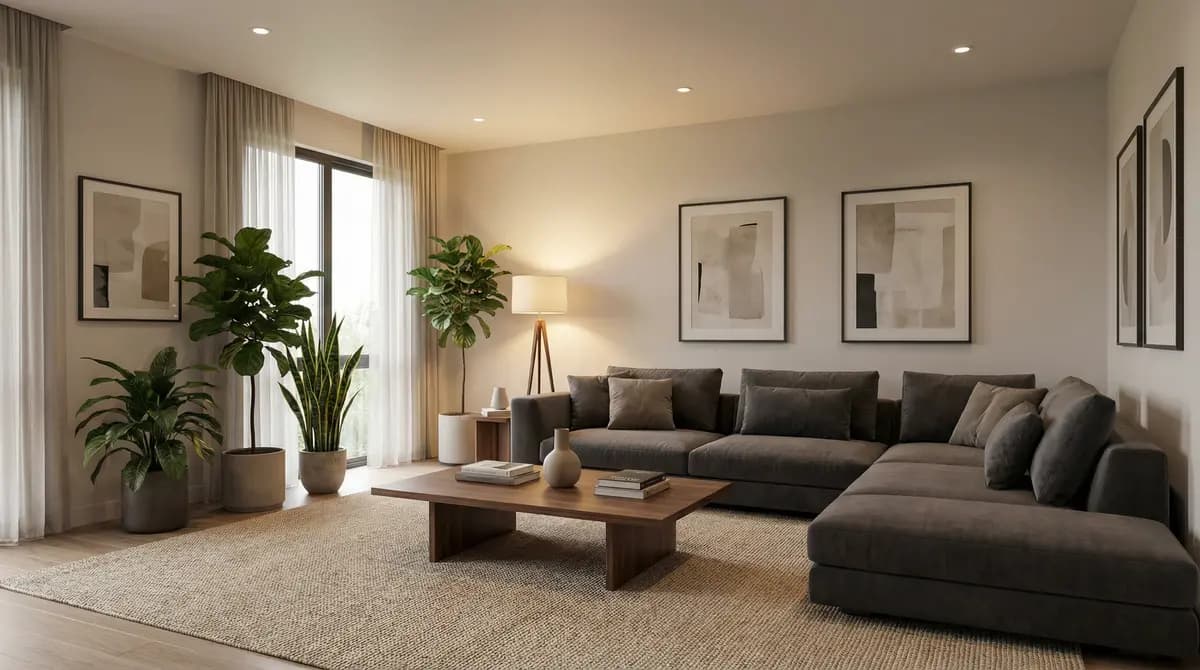
The AI handles living-room-specific elements with precision — sectional sofas, coffee tables, entertainment units, bookshelves, accent chairs, and area rugs. It understands how seating arrangements work with focal points like fireplaces and TV walls, and renders everything in context so you see a complete, cohesive room rather than isolated furniture pieces.
Why Living Room Design Matters
The living room is typically the largest shared space in a home and the one visitors see first. Its design directly influences how spacious, welcoming, and put-together your home feels. A well-arranged living room with the right furniture scale can make a small apartment feel generous, while a poorly planned one can make even a large room feel cramped and disjointed.
Color and style choices in the living room ripple through the rest of the house. If you nail the living room, adjacent spaces like the dining area and hallway naturally follow. That is why seeing the full picture before committing — rather than guessing from fabric swatches and Pinterest boards — is so valuable. GenRoom lets you experiment with different directions in minutes, not months.
Common Living Room Design Mistakes
- All furniture pushed against walls. Floating furniture arrangements with a sofa away from the wall create more intimate conversation zones and make the room feel larger.
- Single light source. One overhead fixture flattens the room. Layer floor lamps, table lamps, and ceiling spots on dimmers for flexible ambience.
- Rug too small. The front legs of every major seating piece should sit on the rug. A rug that only fits a coffee table makes the room look unfinished.
- TV mounted too high. The centre of the screen should be at eye level when seated, not at standing height. Neck strain accumulates quickly.
- No focal point. Every living room needs one anchor — a fireplace, a gallery wall, a large window, or a statement sofa. Without it, the eye wanders.
- Ignoring acoustic comfort. Hard surfaces on all sides create echo. Rugs, curtains, and soft furnishings absorb sound and make the room feel warmer.
Which Living Room Style Fits Your Property?
A compact open-plan apartment benefits from a Scandinavian or minimalist approach — a neutral palette, multi-functional furniture, and deliberate negative space that keeps the room breathable. A detached family home with a dedicated lounge can accommodate a richer, layered look: mid-century modern with warm walnut tones, or classic with deep sofas and bookshelves flanking a fireplace. A loft conversion naturally calls for industrial elements — exposed brick, metal accents, oversized pendant lights. Period properties with original cornices and sash windows suit neoclassical or traditional interiors that honour the architecture. Coastal homes lean toward bleached timbers, rattan, and a relaxed blue-and-white palette. Generate your living room in three or four styles with GenRoom before committing.
Professional Designer vs. DIY vs. AI: Real Cost Comparison
A professional interior designer for a living room project typically charges several thousand for concept development before any furniture is purchased, and a further percentage on items sourced. DIY design can seem free but costs enormous time and frequently results in costly impulse purchases — a sofa that does not fit, a paint colour that clashes, a rug that is two sizes too small. AI visualization with GenRoom costs a tiny fraction of any professional fee and delivers photorealistic renders of your actual living room in any style within seconds. You walk into the furniture store with a precise visual reference instead of a vague idea, which prevents expensive mistakes.
Living Room Project Checklist
- Photograph the room from all four corners, from the doorway, and looking across at each wall.
- Measure the room precisely including ceiling height, window positions, and any alcoves or chimney breasts.
- Note the position and number of electrical sockets and any fixed lighting points.
- Identify structural walls versus partition walls.
- Decide the primary function balance: relaxation, entertainment, hosting, home working.
- Establish the focal point around which furniture will be arranged.
- Plan traffic flow — at least 90 cm clearance for main routes through the room.
- Choose your sofa size and configuration before selecting any other pieces.
- Decide on window treatment: blackout, sheers, shutters, or curtains.
- Set style direction and colour palette before purchasing individual items.
Where to Use AI-Generated Living Room Designs
Share the render with your decorator, joiner, or soft-furnishing specialist as a visual brief that eliminates guesswork. Take it to a paint store to match wall colours precisely. Use it when ordering custom sofas or curtains to confirm proportions and tones. Share it with family members for group decision-making. If staging a property for sale, AI-generated living room images help buyers picture their life in the space far more effectively than empty or poorly furnished rooms. Designers use GenRoom concepts in pitch decks to show multiple directions to clients in a single meeting.
Living Room Layout: Getting the Fundamentals Right
The layout of a living room determines how well it functions for conversation, relaxation, and media use — and the wrong arrangement makes even the most beautiful furniture feel awkward. Seating should form a cohesive conversation group: sofas and chairs facing or angled toward each other at a distance of roughly 2–3 metres, with a coffee table that everyone can reach comfortably. Television placement should not dictate the entire room arrangement; if the TV is the primary focal point, position seating to face it but also ensure a secondary conversation arrangement is possible. In open-plan living rooms, furniture placement defines zones — a sofa's back can function as a room divider between the living and dining areas without any structural partition. Leave adequate circulation routes (at least 90 cm wide) from room entrances to seating and through to other areas. GenRoom's AI visualizations preserve your room's exact architecture, so you can see how different furniture arrangements read in your specific space.
The Role of Colour in Living Room Design
Colour is the single most powerful and most reversible design tool in a living room. A neutral base — white, off-white, warm grey, greige — works with any furniture style and stays relevant across trend cycles. Introduce color through soft furnishings (cushions, throws, rugs) and paint accents on a single feature wall, which are all easily changed. Warm tones (terracotta, ochre, warm sand) create an inviting, intimate atmosphere suited to sociable living rooms. Cool tones (sage green, dusty blue, slate) bring a calming quality appropriate for quieter, more contemplative spaces. Dark feature walls — deep navy, forest green, charcoal — can make a large living room feel more intimate and gallery-like, but need careful planning to avoid a claustrophobic effect in smaller rooms. Use GenRoom to test color combinations on your actual living room walls before buying a single pot of paint.
Acoustic Design in Living Rooms
Sound quality in a living room is rarely given the attention it deserves during the design process, yet it significantly affects how comfortable and enjoyable the space feels in daily use. Hard, parallel surfaces — bare concrete floors facing flat plaster walls, glass-fronted furniture units opposite bare walls — create echo and reverberation that makes conversation difficult and television sound harsh. Soft furnishings are the primary acoustic treatment in a residential living room: a large area rug on a hard floor absorbs low-frequency sound from footsteps and bass frequencies. Upholstered seating, curtains, cushions, and throws all contribute to sound absorption. Bookshelves filled with books are excellent diffusers — their irregular surface scatters sound waves rather than reflecting them directly. If you are designing a living room with a dedicated home cinema or high-fidelity audio setup, acoustic treatment becomes a primary design consideration rather than an afterthought: acoustic panels can be designed to be attractive and integrate with the room's aesthetic while serving a functional purpose.
Sustainability in Living Room Design
Sustainable choices in living room design are now practical, affordable, and aesthetically indistinguishable from their conventional equivalents in most cases. Secondhand and vintage furniture is the most sustainable option and often produces the most characterful, distinctive rooms — a well-made mid-century sideboard or a vintage armchair re-upholstered in a contemporary fabric contributes to a room's story in a way that flat-pack furniture cannot. When buying new, look for furniture made from certified sustainable timber (FSC or equivalent), upholstered with natural or recycled fabrics, and manufactured locally or regionally to reduce transport emissions. Wool rugs from ethically managed farms are more durable and lower-impact over their lifespan than synthetic alternatives. LED lighting uses a fraction of the energy of halogen or incandescent sources and lasts many times longer. Paint with low or zero VOC content improves indoor air quality without any compromise in coverage or durability. These choices are increasingly the default in well-designed contemporary interiors rather than specialist sustainability-focused options.
Statement Furniture Pieces: How to Anchor a Living Room
Every memorable living room has at least one statement piece — a single item of furniture, lighting, or art that sets the room's tone and around which everything else is organised. In most living rooms this is either the sofa (the largest piece and the one that most strongly signals style) or a significant artwork (which sets the room's color palette and its cultural register). A statement piece needs supporting elements that complement rather than compete with it: if the sofa is the statement, the coffee table, cushions, and rug should coordinate with it. If the artwork is the hero element, the furniture should recede enough to let it read clearly. Statement pendant lighting — a large sculptural ceiling fixture over the seating area or dining table — creates an architectural quality in a room that standard recessed lighting never achieves. A collector's shelf or gallery wall can function as a statement element in a more editorial, personal way than a single large piece. Whatever form the statement takes, it should reflect genuine preference rather than trend-following — a room built around an object or work that has real personal meaning to the inhabitant has an authenticity that designed-for-effect rooms lack.
Explore living room design ideas with GenRoom for free. Upload a photo and find the style that makes your space feel like home.
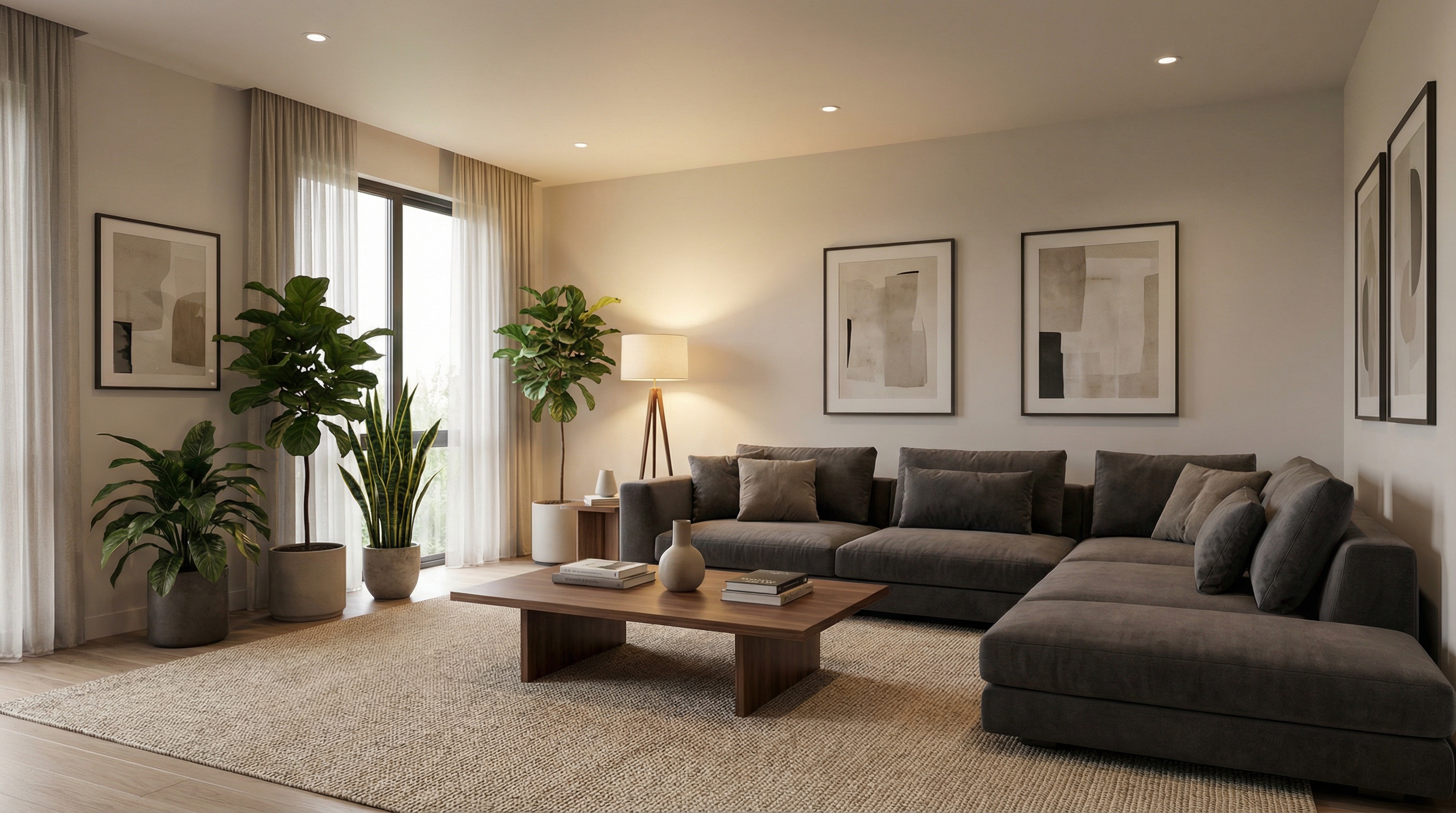
Redesign your living room in 3 steps
Upload a living room photo
Snap or upload a photo of your living room — any angle and any lighting works.
Pick a living room style
Choose from modern, minimalist, Scandinavian, mid-century, classic and 20+ more living room styles.
Get photorealistic results
AI restyles sofas, decor, walls and flooring in about 30 seconds while keeping your layout. Download and compare.
AI Living Room Design Examples
Why GenRoom beats other living room design tools
Most living room tools need a 3D model or output flat mockups. GenRoom works from a single photo and keeps every result photorealistic.
| GenRoom AI | Room planner apps | Generic AI image tools | Hiring a designer | |
|---|---|---|---|---|
| Works from a single photo | ||||
| Photorealistic output | ||||
| Restyles sofas, decor and finishes | ||||
| Ready-made living room styles | ||||
| No 3D model or floor plan needed | ||||
| Result in under a minute | ||||
| Available in 21 languages | ||||
| Free to start |
How AI Living Room Design Works
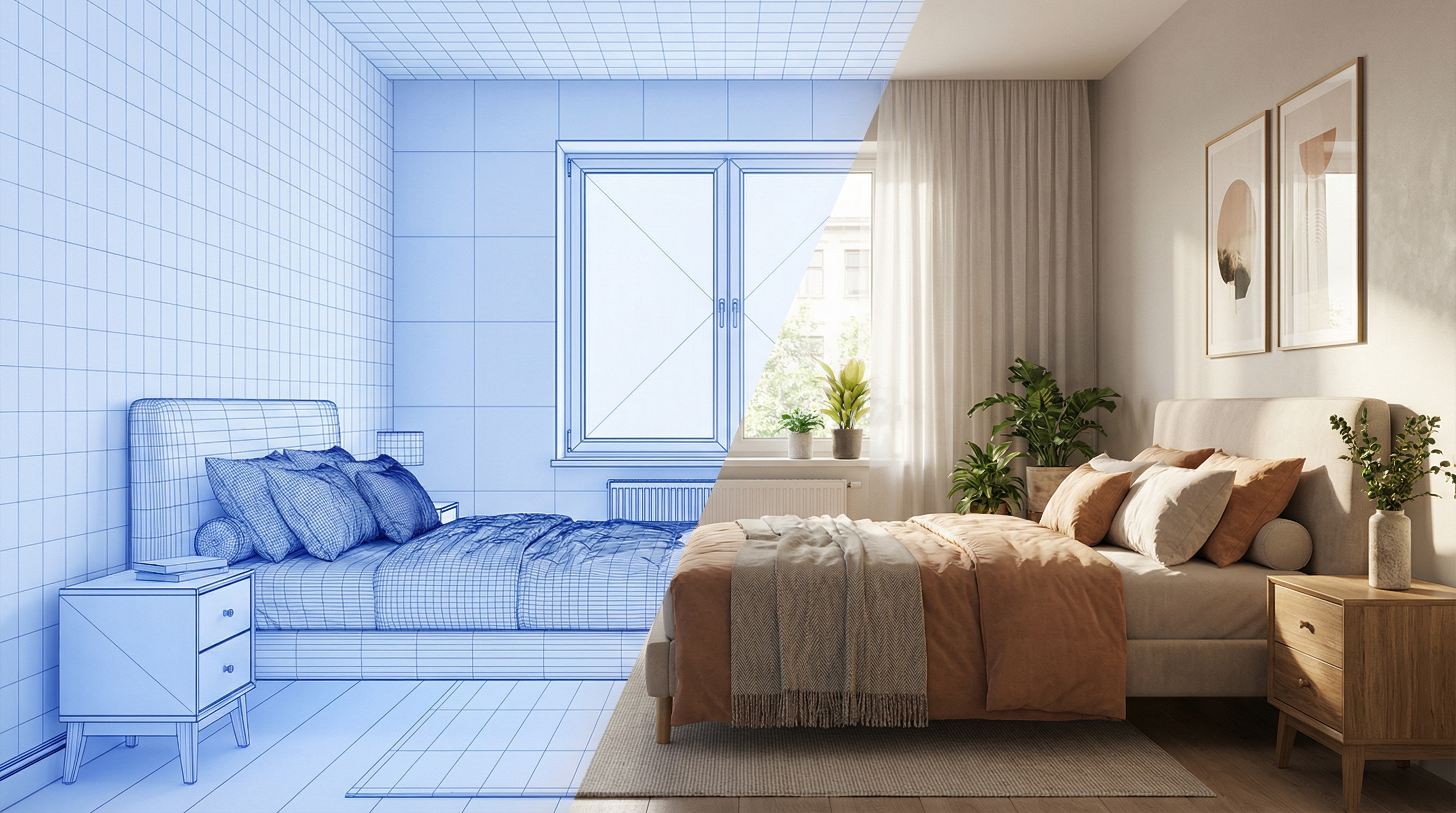
Living Room Renders in 30 Seconds
Upload a photo of your living room and receive a photorealistic redesign almost instantly. The AI detects furniture, layout, and architectural features — then renders a complete transformation in your chosen style.
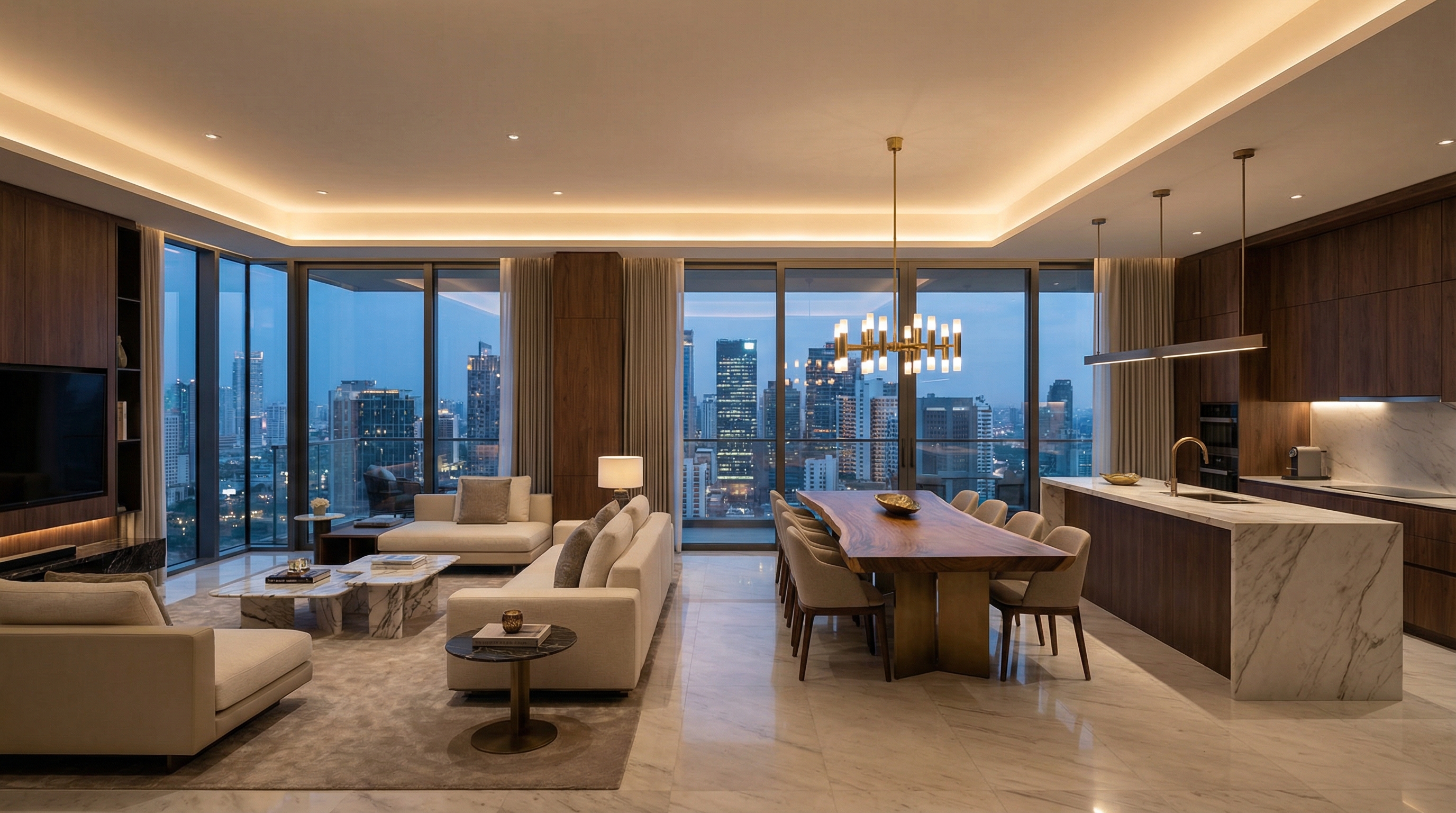
25+ Living Room Styles
From Scandinavian simplicity to bold industrial loft, cozy farmhouse to sleek contemporary — try 25+ styles on the same room. Compare sofa arrangements, color palettes, and lighting schemes side by side.
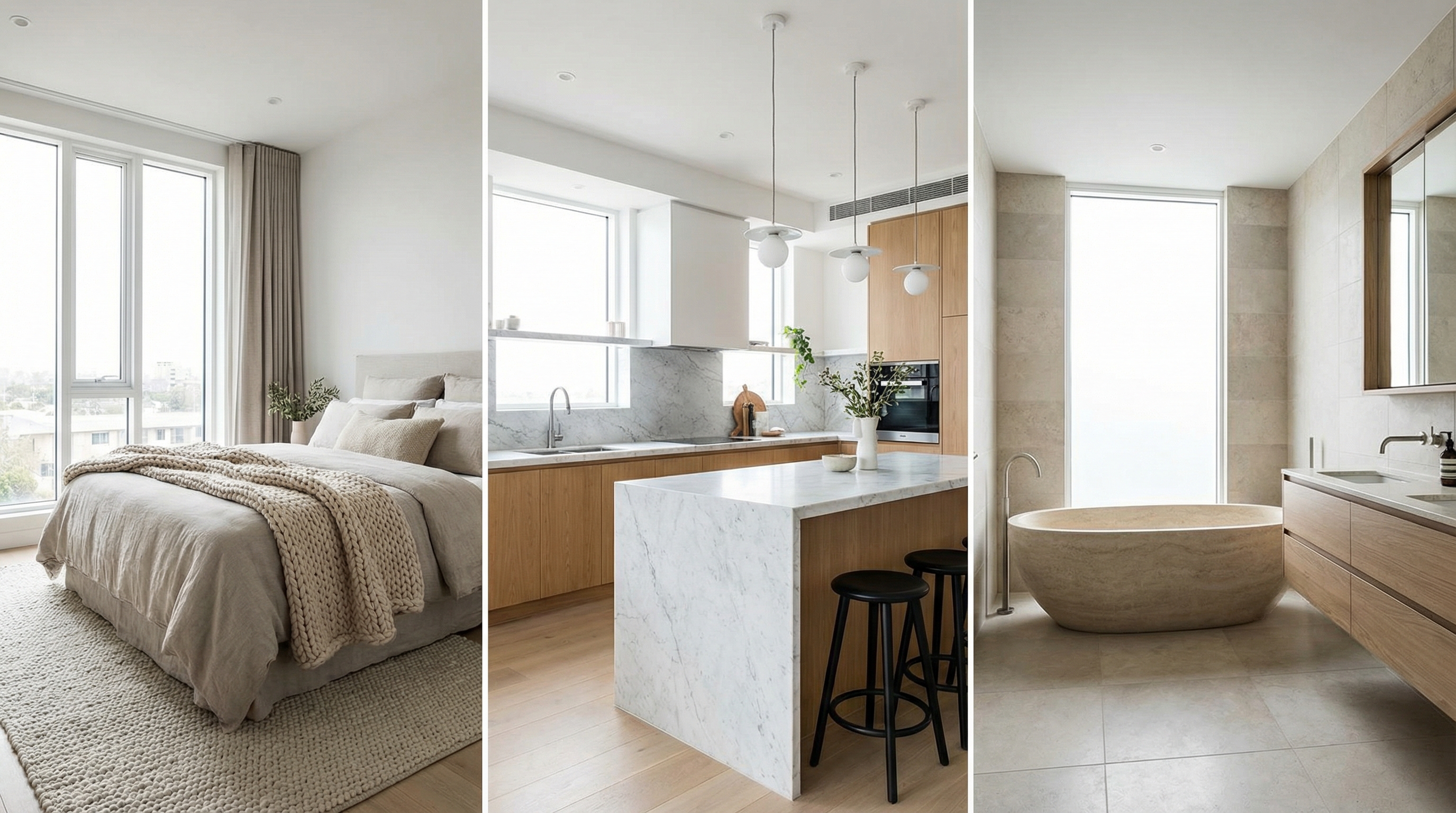
Works with Any Layout
Open-plan loft, traditional separate room, L-shaped layout with dining area, or compact studio — the AI adapts to every living room shape and size. All you need is a regular phone photo.
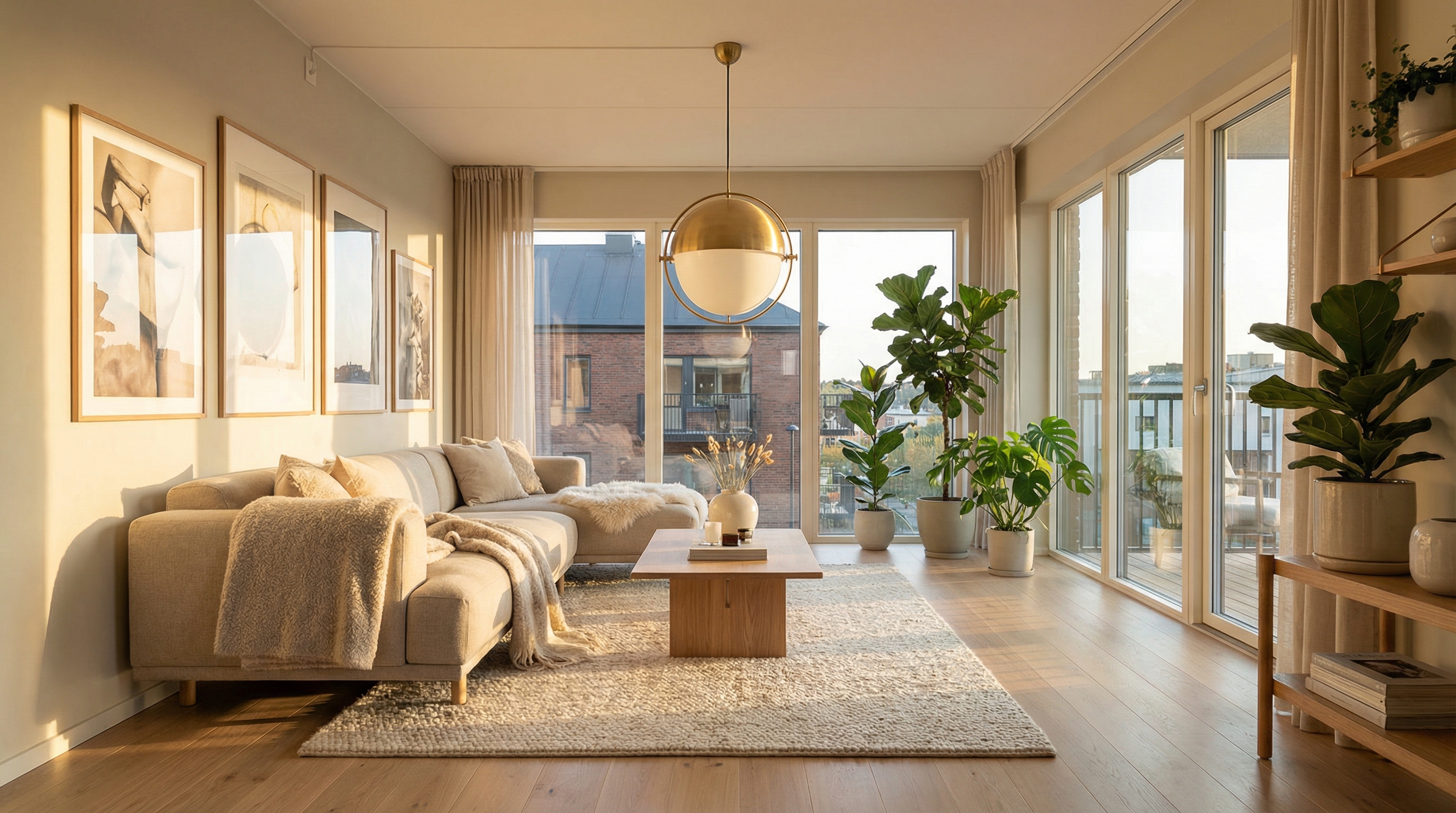
Find Your Style Before You Buy
A single sofa can cost $2,000 or more, and returning furniture is a nightmare. GenRoom lets you see how different furniture styles, colors, and arrangements look in your actual space — so you buy with confidence, not guesswork.
Who uses GenRoom for living rooms
Homeowners
See how a new sofa, color scheme or layout looks before spending on a makeover.
Interior designers
Generate living room concepts for client presentations in minutes, not days.
Renters and decorators
Try bold restyles risk-free and find a look that fits your space and budget.
Real estate agents
Stage and refresh empty or dated living rooms virtually to attract buyers and renters.
Try AI Living Room Design Now
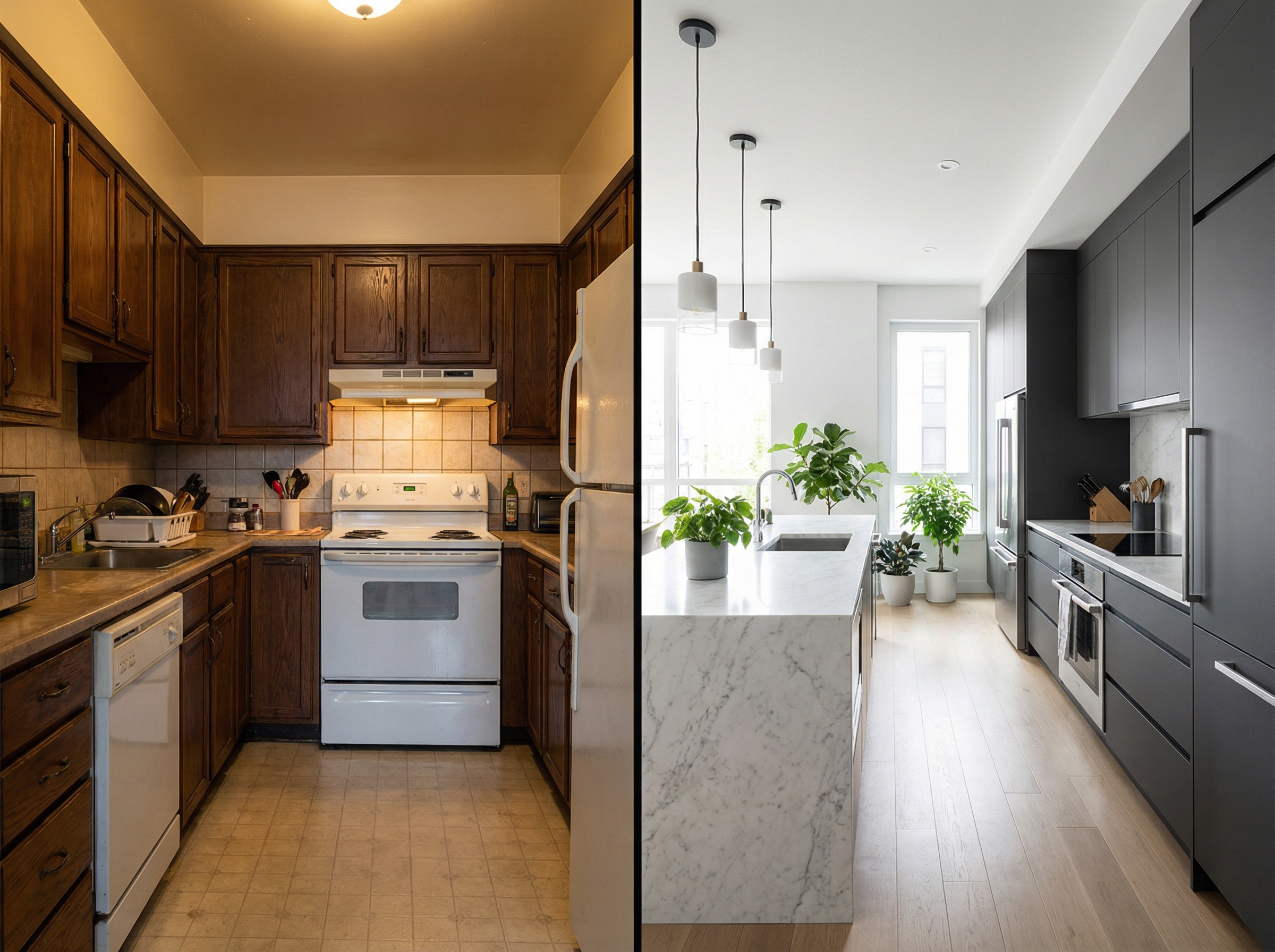
Upload a photo of your living room and see it transformed into any style in 30 seconds. Your first designs are free — no credit card required.
Choose Your Plan
Transparent pricing with no hidden fees
What Do GenRoom Users Say?
Transformed my living room in under a minute. The styles are genuinely distinctive.
Use it with clients before committing to a direction. Saves days of back-and-forth.
Virtual staging has never been this easy. Listings convert faster with it.
Living Room Design FAQ
Everything about AI living room design.
- Upload a photo of your living room to GenRoom, choose from 25+ interior styles, and tap Generate. In about 30 seconds, you will see a photorealistic render with new furniture, colors, lighting, and decor — all while preserving your room layout and architecture.
- GenRoom offers 25+ living room styles including Scandinavian, mid-century modern, minimalist, industrial, contemporary, classic, boho, coastal, Japandi, eclectic, art deco, farmhouse, and more. You can try as many as you like on the same photo.
- Yes. The AI works with open-plan spaces, including combined living and dining areas, loft-style rooms, and studio apartments. It recognizes the different functional zones and applies styling consistently across the entire visible space.
- Start by uploading your living room photo and trying different styles on GenRoom. Each style includes a furniture arrangement optimized for the room. Comparing several options helps you see which layout creates the best flow and makes the most of your available space.
- Yes. Your first living room designs on GenRoom are completely free — no credit card needed. Affordable one-time credit packs (no subscription) are available for those who want to explore more styles and rooms.
- Absolutely. Many users show their GenRoom renders to furniture retailers to find matching pieces, or share them with painters and decorators to communicate the exact color palette and vibe they want. The renders serve as a visual shopping list for your entire living room makeover.
- Yes. GenRoom restyles sofas, decor, walls and flooring while keeping your windows, doors and room proportions intact.
- Yes. GenRoom can swap sofas, coffee tables, rugs, lighting and wall colors while keeping the structure of your living room intact.
- You get free credits to start with no card required. Paid packs add more credits and remove the watermark; Basic and Pro include free 4K.
- Yes. Commercial use is allowed on every plan, Free included — use your living room visualizations in client presentations, real estate listings and marketing. Free results carry a small watermark; paid packs remove it.
Explore more AI design tools
GenRoom redesigns every room of your home — and the outside too.
Explore more design solutions
Love your new living room? GenRoom can transform every other room in your home too — plus outdoor spaces and building exteriors.
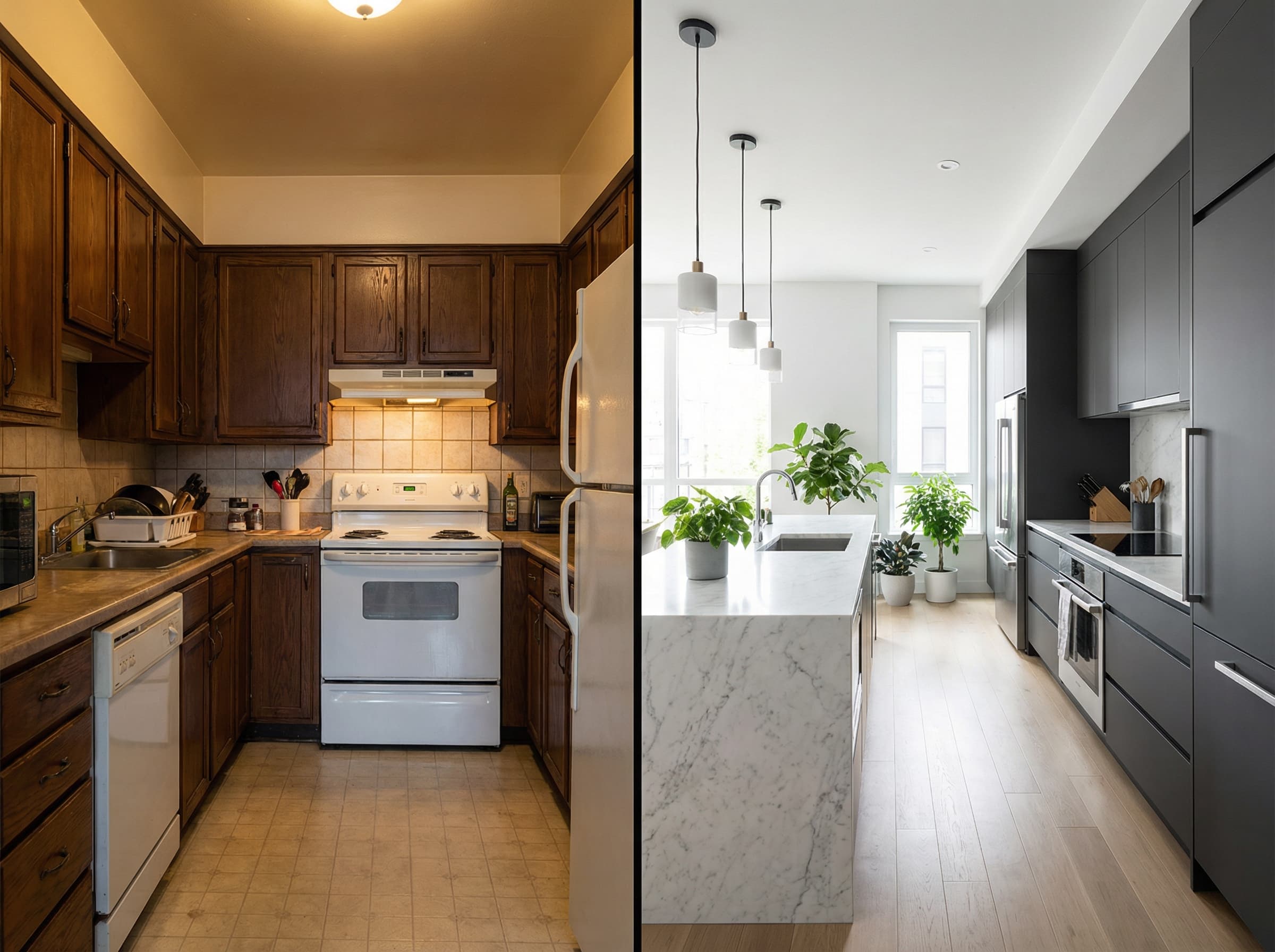
Redesign your living room today
Upload one photo and see your dream living room in seconds. Free to start, no credit card needed.
Design my living room freeExplore more AI design tools
All our design categories in one place.