AI Interior Design — See Your Room Transformed in Seconds
Upload a photo of any room, pick a style, and get a photorealistic AI-generated redesign in about 30 seconds. 25+ interior styles to choose from, no design experience needed.
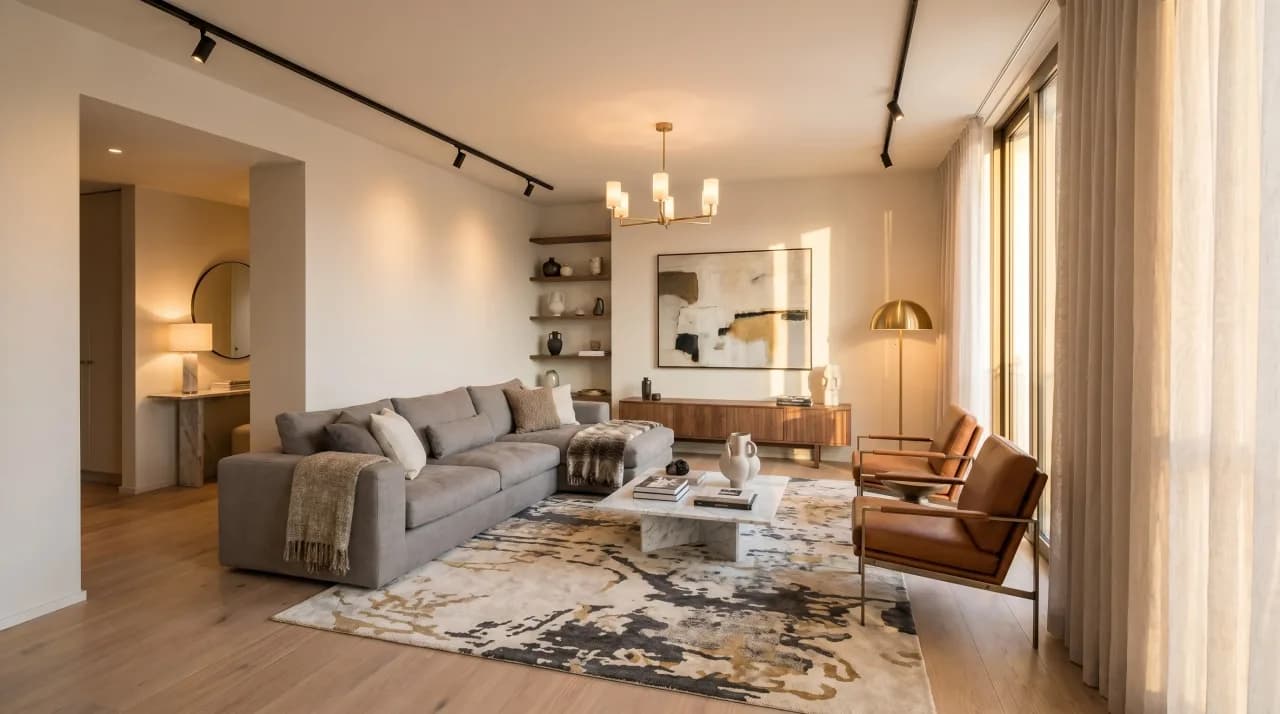
- 120,000+
- Rooms redesigned
- 4.8★
- Average rating
- 25+
- Interior styles
- 13
- Available in 21 languages
- ~30s
- Per render
Interior design is the art and science of shaping indoor spaces to be both functional and visually appealing. It covers everything from color palettes and furniture placement to lighting, materials, and decorative accents. Good interior design goes beyond aesthetics — it considers how people move through a space, what activities happen there, and how the environment affects mood and productivity.
Traditionally, getting a professional interior design concept meant hiring a designer, waiting weeks for mood boards and 3D renders, and spending hundreds or thousands of dollars before a single piece of furniture was moved. Today, AI-powered tools let anyone see what their room could look like in a completely new style — in under a minute, from a single smartphone photo.
How AI Interior Design Works with GenRoom
The process at GenRoom takes three simple steps:
- Upload a photo of your room — living room, bedroom, kitchen, bathroom, home office, or any other space. A regular phone photo works perfectly.
- Pick a style from our catalog of 25+ options: Scandinavian, minimalist, industrial loft, classic, neoclassical, mid-century modern, Japandi, contemporary, eclectic, coastal, and many more.
- Get your result in about 30 seconds — the AI analyzes the room layout, preserves architectural features, and generates a photorealistic render in your chosen style.
The AI keeps the proportions and structural elements of your room intact — windows, doors, alcoves, and ceiling height all stay the same. What changes is the furniture, finishes, colors, and decor, all transformed to match the style you selected. You can try multiple styles on the same room and compare results side by side to find the look that resonates with you.
Why Interior Design Matters
A well-designed interior solves several problems at once. Smart furniture arrangement can make a small apartment feel twice as spacious. The right color scheme and lighting directly influence your energy levels and focus. A cohesive design style ties every element together, creating a sense of calm and completeness that a random mix of furniture never achieves.
Visualizing a new interior before you renovate helps avoid costly mistakes. You can see exactly how a room will look with different finishes, furniture, and layouts — without committing to expensive purchases or contractor work. That saves both money and the frustration of living with choices that looked good in a catalog but feel wrong in your actual space.
Common Interior Design Mistakes to Avoid
- No cohesive style direction. Mixing furniture from different eras and styles without a unifying thread creates visual noise. Choose one primary style and let other pieces complement rather than compete.
- Ignoring scale and proportion. Oversized furniture in a small room dominates and suffocates; tiny furniture in a large room looks lost. Every piece should be proportional to the room dimensions and to the other pieces around it.
- Poor traffic flow planning. Interior design that does not account for how people move through a space results in rooms that feel cramped and uncomfortable even if they are technically spacious.
- Treating lighting as an afterthought. Lighting is one of the most powerful tools in interior design. Plan it in layers — ambient, task, accent — before finalising any other element.
- Over-decorating. Cluttered surfaces and too many competing elements make even a well-furnished room feel chaotic. Restraint and negative space are just as important as the pieces you choose.
- Not testing colours in context. Paint colours on chips look completely different on a full wall under your lighting. Always test a large swatch in the actual room before committing.
Interior Style Selection: Which Approach Suits Your Property?
The most effective interior design approach begins with the architecture. An older property with thick walls, wooden beams, or ornate cornicing resists ultra-minimalist treatments — the architecture itself calls for a more layered, textured approach. A modern apartment with clean geometry and large windows is a natural canvas for minimalism, Japandi, or contemporary design. Open-plan layouts where multiple zones share one visual field require a cohesive palette that ties the space together without flattening it. For properties undergoing full renovation, the style choice made now will determine every finish decision for years to come — getting it right in visualization first is far less costly than changing mid-project. A small urban apartment calls for a different intervention than a large rural property, a period conversion is different from a new build — test multiple styles with GenRoom to find the approach native to your space before committing.
Professional Interior Design vs. DIY vs. AI: Cost Reality
A professional interior design project covering an entire home typically costs several thousand in design fees alone, before any furniture or materials are purchased. For individual rooms, even a single consultation can represent a significant investment. The traditional DIY alternative — collecting inspiration on Pinterest, ordering swatches, browsing showrooms — is time-consuming and often produces rooms that feel assembled rather than designed. AI tools like GenRoom sit in a different category entirely: for a tiny fraction of the cost, you get photorealistic renders of your actual rooms in any style, allowing you to make confident decisions before spending anything. The result is fewer expensive mistakes and a clearer brief for any contractors or suppliers you work with.
Interior Project Checklist: Before You Start Any Room
- Photograph every room from multiple angles with consistent, natural lighting.
- Measure all rooms, noting ceiling height, window positions, door swing directions, and any fixed elements.
- Identify load-bearing walls and any structural constraints that limit layout changes.
- Inventory existing furniture and decide what stays, what goes, and what needs replacing.
- Decide on a primary style direction for the whole property — consistency across rooms creates a sense of calm.
- Establish a colour palette that works across all spaces and connects them visually.
- Plan renovation in phases if budget requires — prioritize highest-use rooms first.
- Understand your material preferences: natural stone, wood, metal, fabric — and their maintenance implications.
- Set realistic timelines for renovation versus cosmetic refresh.
- Build a 15–20% contingency into any renovation budget for unexpected issues.
Where to Use AI-Generated Interior Design Concepts
AI-generated interior concepts produced with GenRoom are versatile tools throughout the entire design and renovation process. Use them in the earliest planning stages to explore multiple style directions before committing to a single approach — comparing a Scandinavian living room against an industrial one on the same photo takes seconds and costs nothing. Share the outputs with architects and contractors as a visual brief that communicates your direction clearly, reducing the risk of costly misinterpretations. Use them in material showrooms to identify which specific finishes, fabrics, and colours match your vision. Share with family members or co-owners to build consensus before work begins. For properties being sold or let, AI-generated interior concepts shown alongside actual photographs create powerful before-and-after marketing assets that help buyers and renters visualise potential.
The Role of Natural Light in Interior Design
Natural light is the single most transformative element in any interior — and it costs nothing to optimise. North-facing rooms receive consistent, cool indirect light that suits art studios, reading rooms, and calm bedrooms. South-facing rooms receive warm direct sunlight for most of the day, which is ideal for living spaces and kitchens but requires shading solutions to prevent overheating in summer. East-facing rooms catch morning light — a quality that makes them excellent for bedrooms and breakfast spaces. West-facing rooms are flooded with warm afternoon and evening light, well-suited to living rooms and dining areas. Understanding your property's orientation allows you to assign rooms to functions that match their light quality, and to choose interior finishes that work with rather than against the light they receive. Pale, matte wall finishes reflect light in north-facing rooms; deeper, richer tones in south-facing rooms are warmed rather than bleached by direct sun.
Whole-Home Design Cohesion: Making Every Room Belong Together
A home that feels intentionally designed rather than assembled room by room has a visual thread connecting all spaces — a consistent material palette, a shared colour family, or a coherent furniture style that runs through every room. This does not mean every room must look the same: variation in tone, mood, and intensity is what gives different rooms distinct characters. The connecting thread might be a flooring material (continuous hardwood or stone that flows from room to room), a consistent trim and door color, or a recurring accent shade that appears in different quantities in different spaces. Hallways and circulation spaces are the connective tissue of a home — their design is often neglected but they are the spaces through which visitors form their first impression of the whole. Use GenRoom to generate multiple rooms in a consistent style and view them together to check that the whole-home narrative holds.
Working with Existing Architecture: Respecting What Is Already There
The best interior design works with the existing architecture of a property rather than against it. A Victorian terraced house has original features — cornicing, dado rails, deep skirting boards, panelled doors, original fireplaces — that are part of the property's identity and financial value. Covering or removing them in favour of a starkly contemporary interior creates a jarring conflict between the exterior's historical character and the interior's style. A sensitive contemporary interior in such a property acknowledges the architectural features while updating the palette, furniture, and lighting to reflect current living patterns. Conversely, a new-build home with clean, minimal architecture is not improved by the introduction of faux-classical mouldings and period details that are inconsistent with its fabric. Interior design is most successful when it enters into dialogue with the building's existing character — celebrating what makes it distinctive, addressing what is dated or impractical, and creating spaces that feel both current and inevitable given the property's bones.
Interior Design Trends vs. Timeless Principles
Every year brings a wave of interior design trend forecasts — the color of the year, the material of the moment, the style direction dominating design fairs and Instagram feeds. These trends are real signals of shifting cultural taste and worth understanding, but the most successful home interiors are those that distinguish between transient trends and enduring principles. Enduring principles include: the primacy of natural light, the importance of appropriate scale and proportion, the value of quality materials that age well, the need for adequate storage to prevent clutter, and the human preference for spaces that balance order and warmth. Transient trends include specific colors, pattern choices, and material fashions that will read as dated within five years. Designing around enduring principles with trend-aware accent choices — a trendy color in cushions and accessories that can be changed easily, rather than in permanent wall tiles — creates rooms that feel current but do not require renovation every few years to stay relevant. Use GenRoom to test how your space looks in both on-trend and more timeless approaches before committing to permanent design decisions.
With GenRoom, you can experiment with interior design ideas for free — your first generations cost nothing. Upload a photo of any room in your home and discover how it could look in a completely different style.
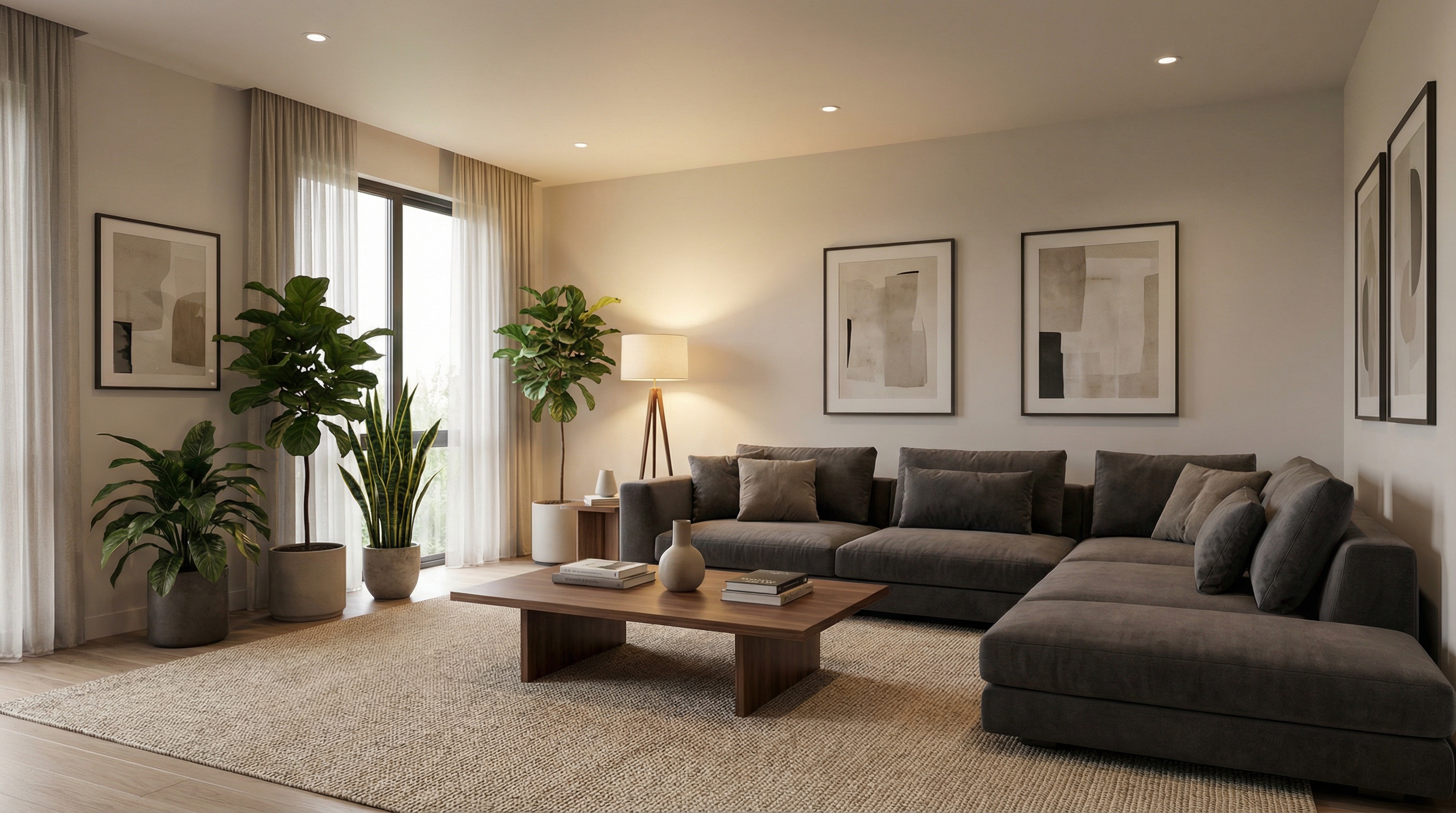
Redesign any room in 3 steps
Upload a room photo
Snap or upload a photo of any room — any angle and any lighting works.
Pick an interior style
Choose from modern, minimalist, Scandinavian, japandi, classic and 20+ more interior styles.
Get photorealistic results
AI restyles furniture, decor and finishes in about 30 seconds while keeping your room's layout. Download and compare.
AI Interior Design Examples
Why GenRoom beats other interior design tools
Most interior tools need a 3D model or output flat mockups. GenRoom works from a single photo and keeps every result photorealistic.
| GenRoom AI | Room planner apps | Generic AI image tools | Hiring a designer | |
|---|---|---|---|---|
| Works from a single photo | ||||
| Photorealistic output | ||||
| Restyles furniture, decor and finishes | ||||
| 25+ ready-made interior styles | ||||
| No 3D model or floor plan needed | ||||
| Result in under a minute | ||||
| Available in 21 languages | ||||
| Free to start |
How AI Interior Design Works
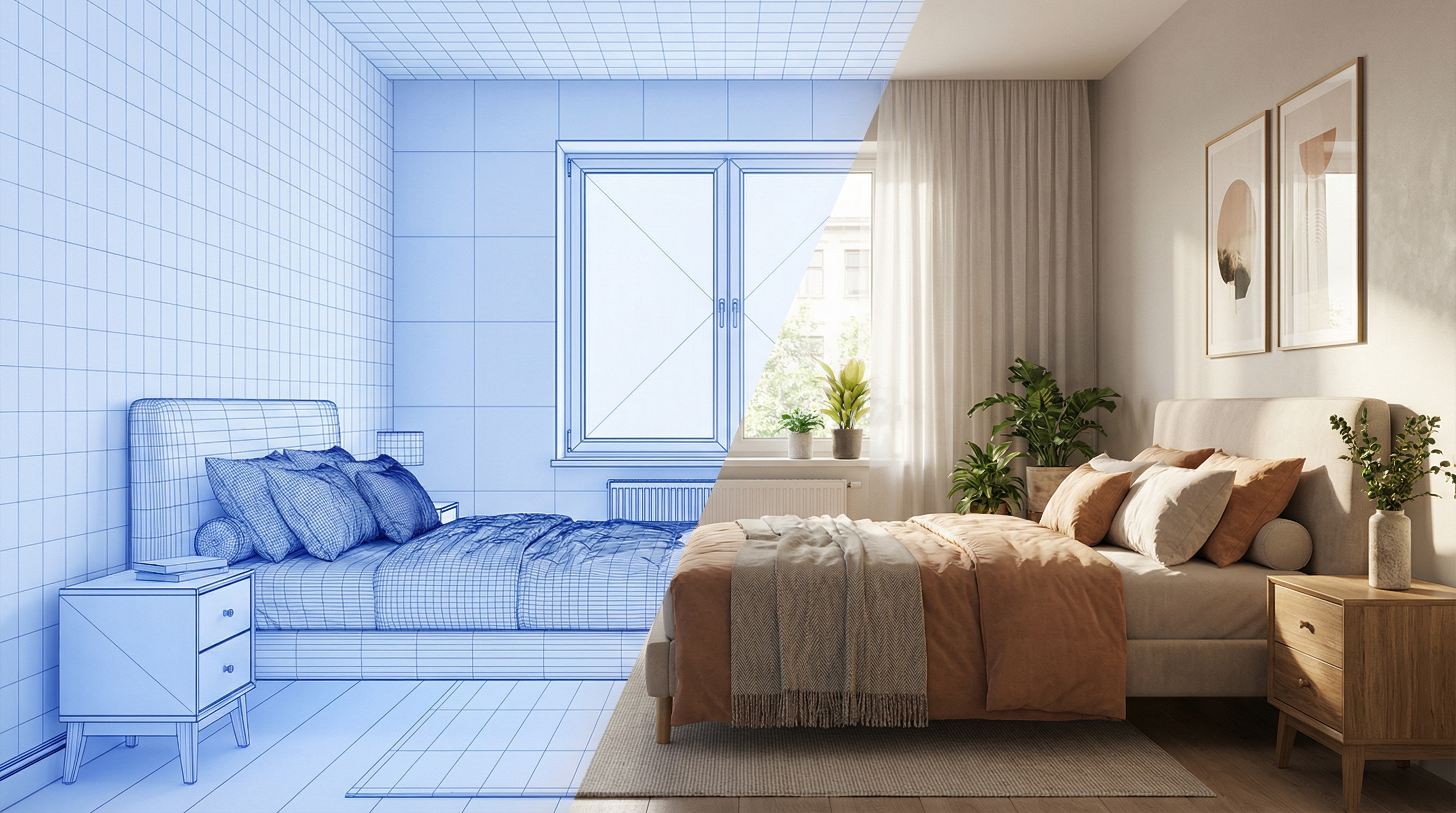
Photorealistic Results in 30 Seconds
Upload any room photo and receive a professional-quality interior visualization almost instantly. The AI detects the room layout, preserves the architecture, and renders a realistic image in your chosen style — no design skills required.
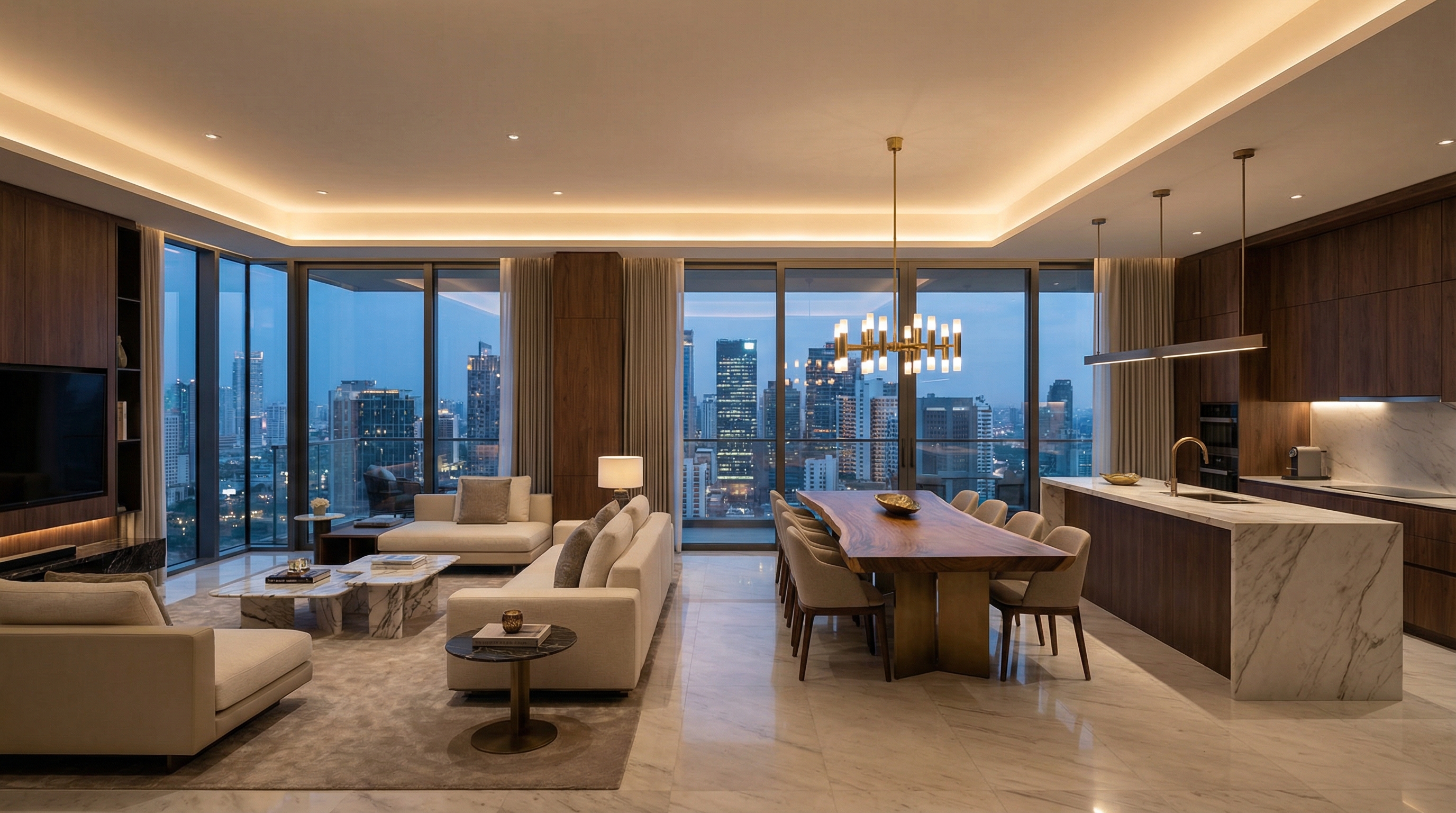
25+ Interior Design Styles
Scandinavian, minimalist, industrial loft, classic, neoclassical, mid-century modern, Japandi, contemporary, eclectic, coastal, and more. Try several styles on the same room to compare and find the perfect match for your taste.
Works with Any Room Type
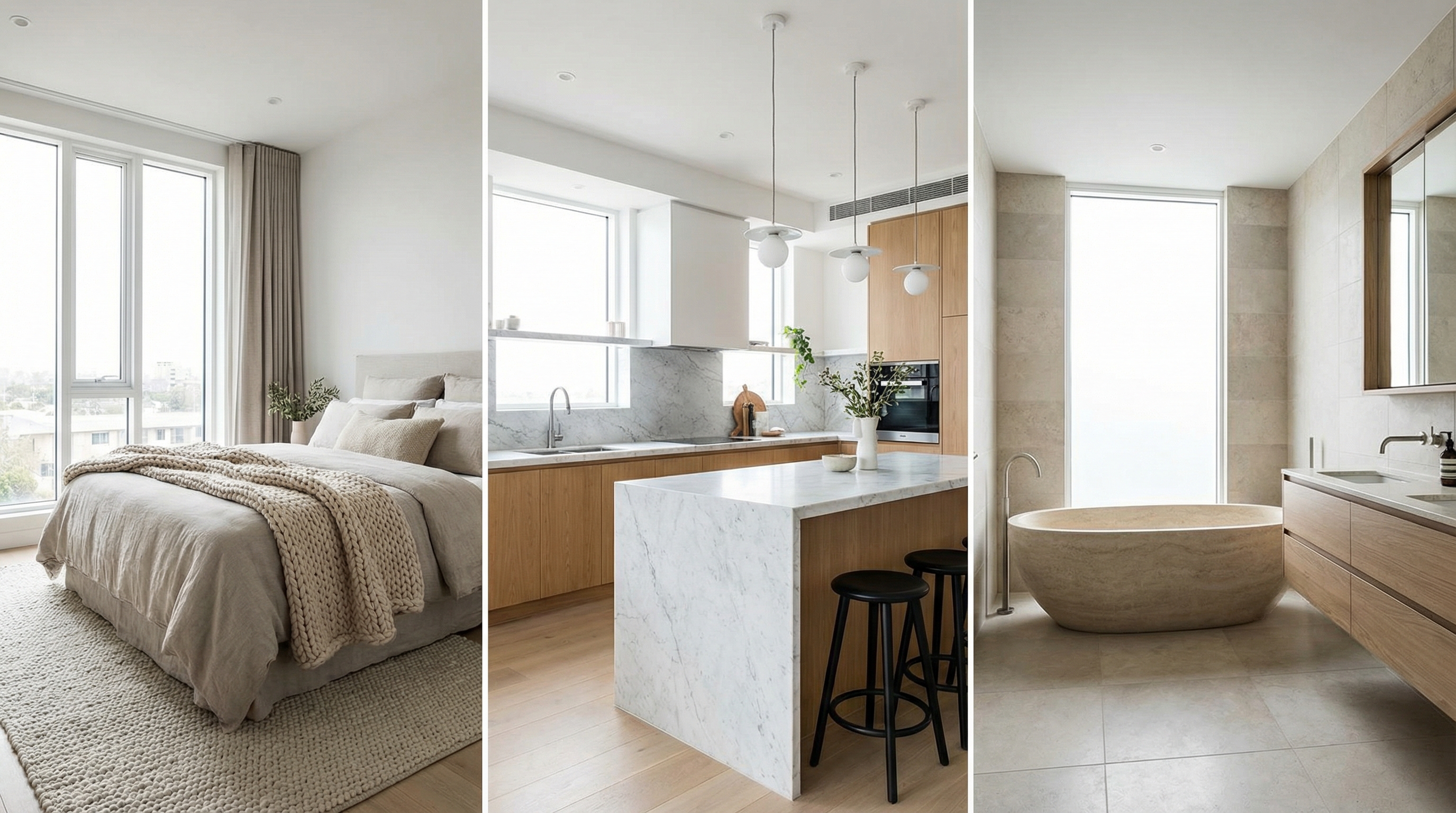
Living room, bedroom, kitchen, bathroom, nursery, home office, hallway, dining room — the AI handles every type of indoor space. All you need is a regular photo taken with your phone.
Save Thousands vs. a Traditional Designer
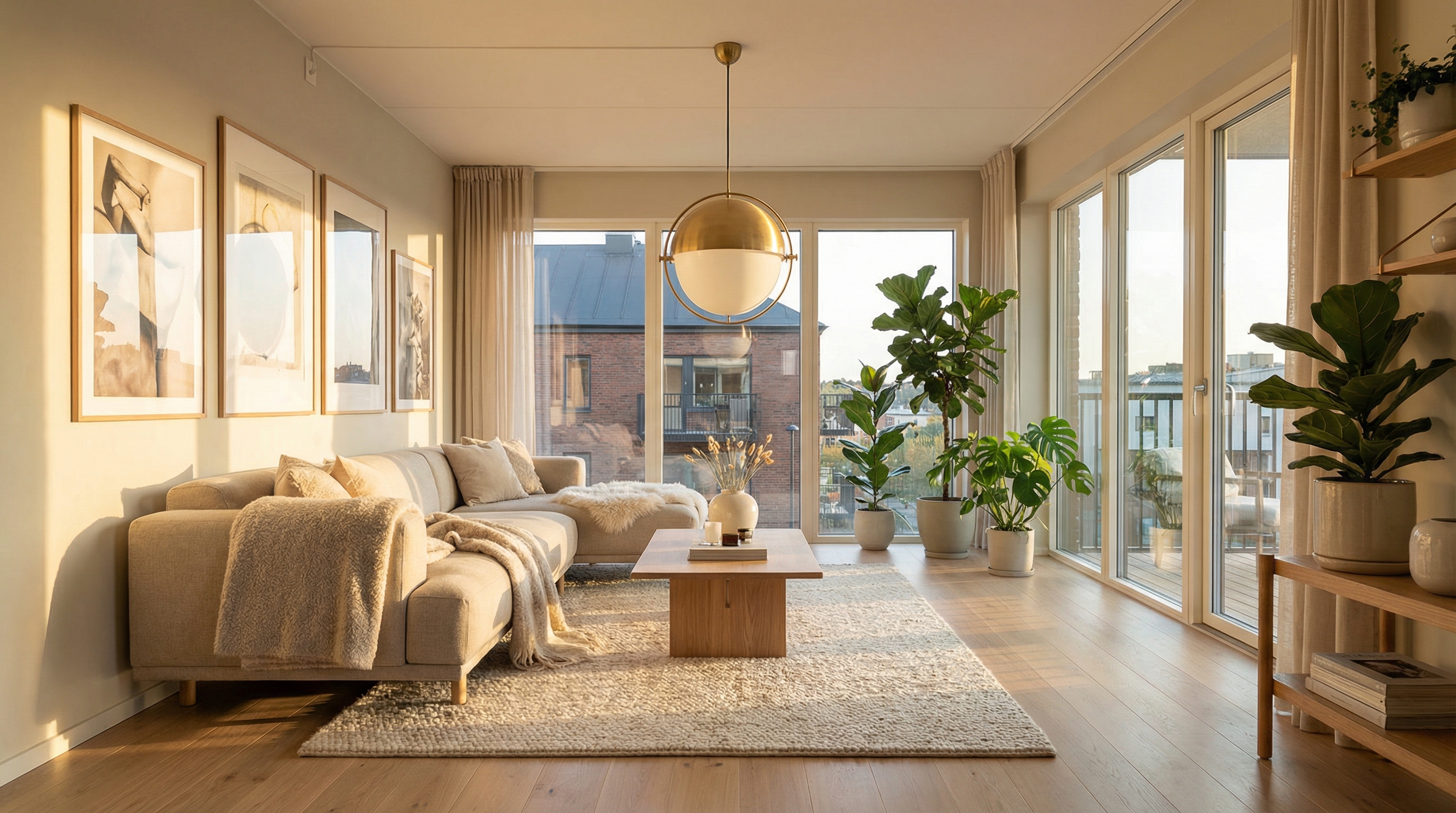
A professional interior design project typically costs $2,000 to $10,000 and takes weeks to deliver. With GenRoom, you get a high-quality visualization in half a minute and can use it as a starting point for your renovation — at a fraction of the cost.
Who uses GenRoom for interiors
Homeowners
See how new furniture, colors and styles look before spending on a renovation.
Interior designers
Generate room concepts for client presentations in minutes, not days.
Renters and decorators
Try bold restyles risk-free and find a look that fits your space and budget.
Real estate agents
Stage and refresh empty or dated rooms virtually to attract buyers and renters.
Try AI Interior Design Now
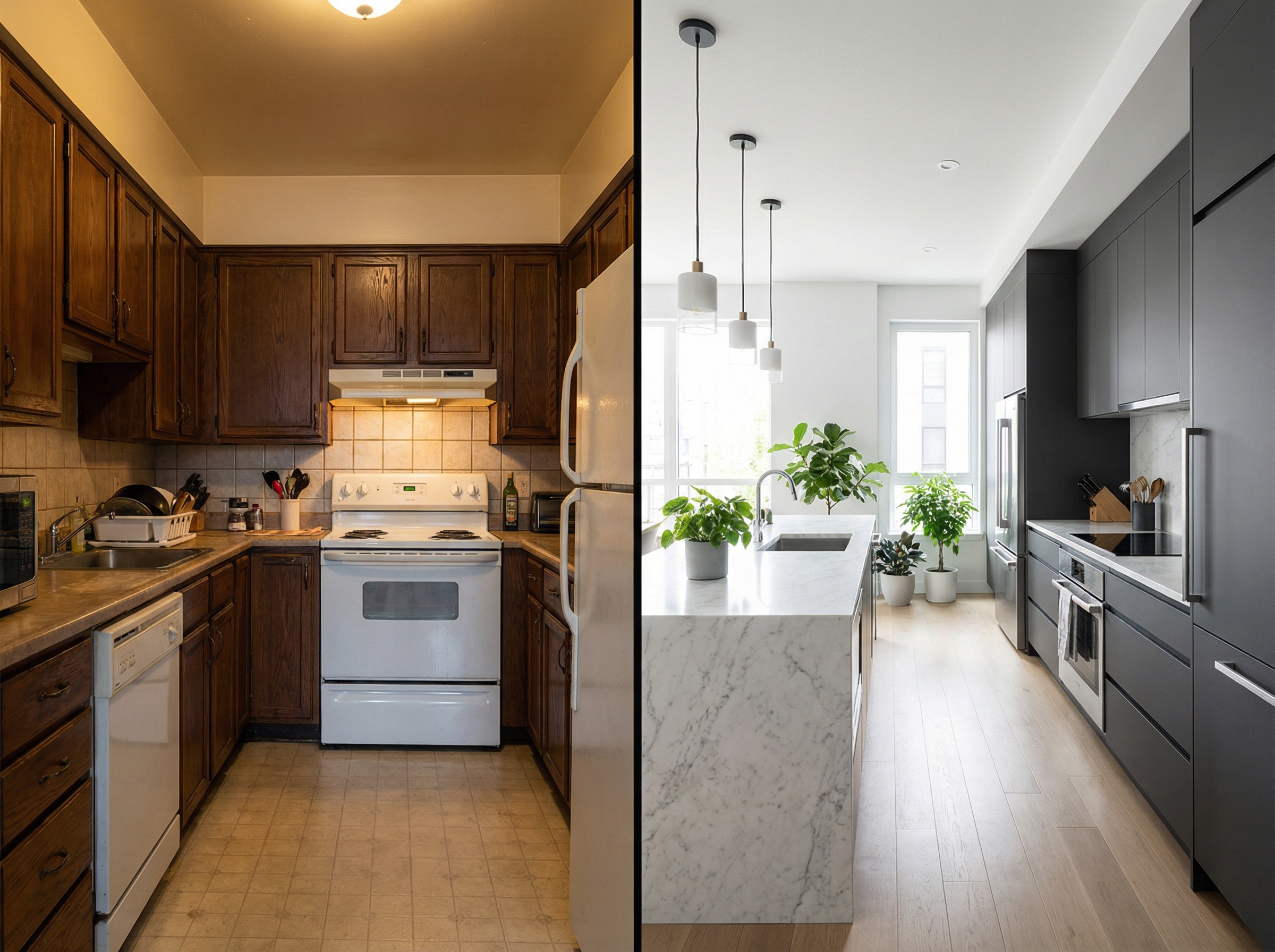
Upload a photo of your room and see it transformed into any style in 30 seconds. Your first designs are free — no credit card required.
Choose Your Plan
Transparent pricing with no hidden fees
What Do GenRoom Users Say?
Transformed my living room in under a minute. The styles are genuinely distinctive.
Use it with clients before committing to a direction. Saves days of back-and-forth.
Virtual staging has never been this easy. Listings convert faster with it.
Interior Design FAQ
Everything about AI interior design.
- AI interior design uses machine learning to analyze a photo of your room and generate a new version in a different style. The technology recognizes walls, windows, doors, and furniture, then replaces finishes, decor, and furnishings while keeping the room layout intact. The result is a photorealistic image you can use as inspiration or share with a contractor.
- It takes three steps: upload a photo of your room, choose one of 25+ interior styles, and tap Generate. In about 30 seconds you will receive a photorealistic visualization of your room in the new style. You can try as many styles as you like on the same photo.
- GenRoom offers 25+ interior styles including Scandinavian, minimalist, industrial loft, classic, neoclassical, mid-century modern, Japandi, contemporary, eclectic, coastal, farmhouse, art deco, and more. The full catalog is shown on the generation page.
- Yes. Your first designs on GenRoom are free — no credit card needed. After that, affordable one-time credit packs are available for ongoing use — no subscription. Even paid plans cost a tiny fraction of what a human designer would charge for equivalent visualizations.
- AI is a powerful complement to professional design, not a full replacement. It excels at rapid style exploration: you can test dozens of looks on the same room in minutes. For complex projects involving structural changes, custom millwork, or full project management, a professional designer is still valuable — but AI helps you arrive at the conversation with a clear vision of what you want.
- Absolutely. Many GenRoom users share their AI visualizations with contractors, painters, and furniture stores to communicate exactly the look they are going for. The renders serve as a detailed style reference — showing color schemes, furniture arrangements, and material choices — that makes it much easier for tradespeople to understand and execute your vision.
- Yes. GenRoom restyles furniture, decor, walls and flooring while keeping your windows, doors and room proportions intact.
- It works for living rooms, bedrooms, kitchens, home offices, kids' rooms and more. Upload a clear photo and the AI handles the rest.
- You get free credits to start with no card required. Paid packs add more credits and remove the watermark; Basic and Pro include free 4K.
- Yes. Commercial use is allowed on every plan, Free included — use your interior visualizations in client presentations, real estate listings and marketing. Free results carry a small watermark; paid packs remove it.
Explore more AI design tools
GenRoom redesigns every room of your home — and the outside too.
Explore more design solutions
GenRoom goes beyond interiors. Redesign your entire property — from individual rooms to outdoor spaces and building exteriors — all powered by AI.
Redesign your room today
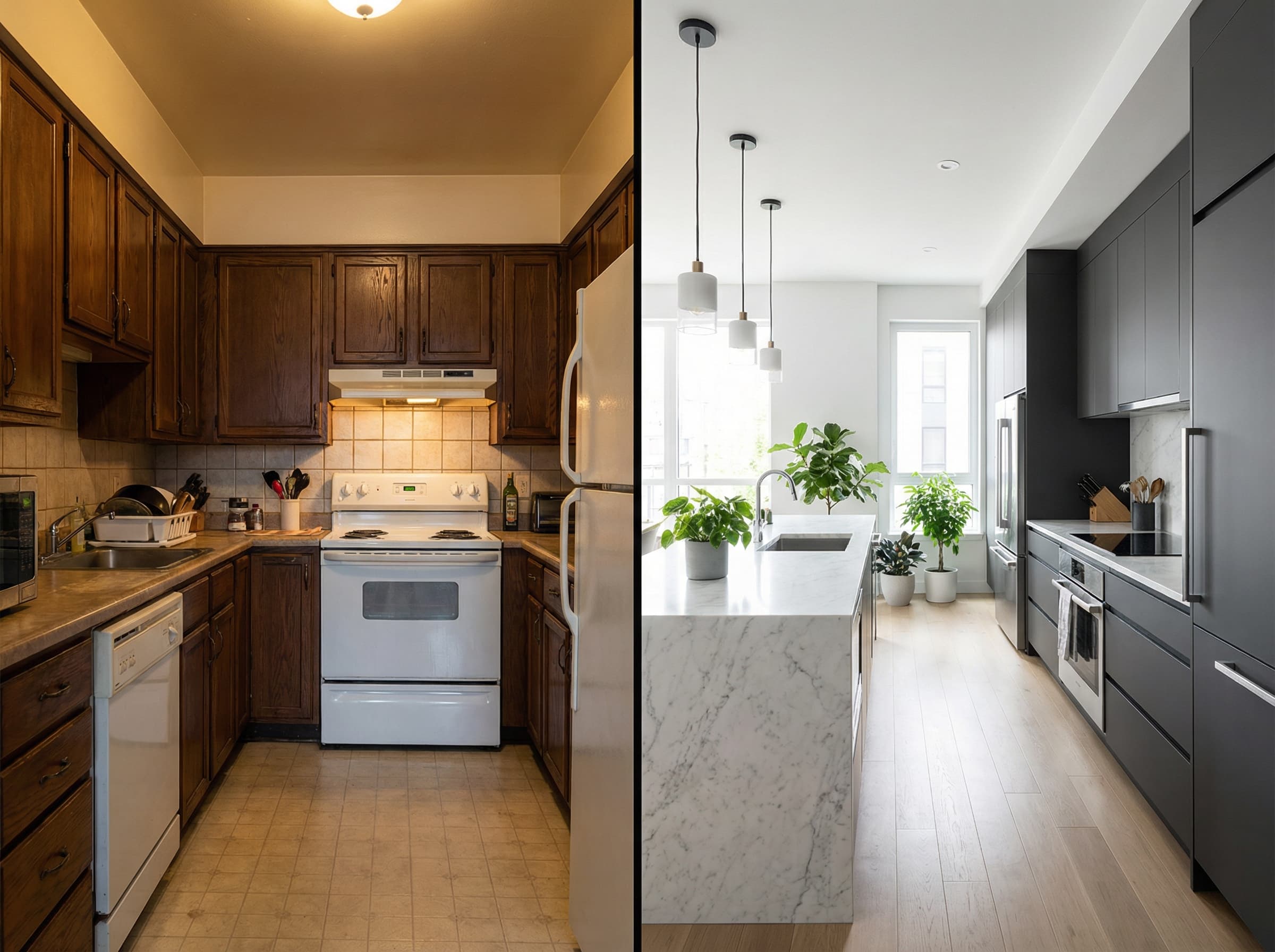
Upload one photo and see your dream interior in seconds. Free to start, no credit card needed.
Redesign my room freeExplore more AI design tools
All our design categories in one place.