Eclectic Facade Design
Guide to facade design in Eclectic Facade style: materials, colors, architectural solutions, and examples
Eclectic facade design deliberately mixes elements from multiple architectural traditions, materials and eras into a single coherent composition. The approach has a long pedigree — the Victorian Eclectic movement of the 1870s-90s combined Italianate, Gothic, Queen Anne and Stick styles into hybrid houses that defined late-19th-century American suburbs. Today's eclectic facade design draws on the same logic: confident mixing, balanced contrast and unifying through scale, color and materiality rather than period purity.
Materials and palette
An eclectic facade typically uses three or four materials in deliberate combination: a primary cladding (often brick, stucco or wood), a secondary accent (stone, metal or tile) and a contrasting element (a single bay or volume in a different material entirely). Palettes lean toward layered neutrals — charcoal, warm white, terracotta, soft sage — with one bold accent like a colored front door or a saturated trim. Roofs may combine pitched and flat elements.
Facade features
Common moves include asymmetrical massing (a main volume plus a smaller wing), a mix of window types (large picture windows alongside traditional sash), a deliberate material change at one corner or volume, and a strong entrance that anchors the composition. Decorative elements draw selectively from multiple traditions — perhaps Arts and Crafts brackets paired with a contemporary metal roof, or Victorian bay windows on a modern stucco volume.
Common mistakes
Eclectic is not chaotic. Limit to three or four materials maximum, unify through palette and proportion, and ensure one element clearly leads. Don't mix conflicting eras randomly — the combinations should feel deliberate, with each element contributing a clear note.
Budget tips
Eclectic facades are often more affordable than period-pure restorations because you can mix budget materials (vinyl windows where they don't show, fiber cement siding) with one or two splurges (a stone bay, a custom-color front door, decorative brackets). Plan to spend 60-70% of the budget on the most visible accent volume. Upload a photo of your house and our AI redraws it in eclectic facade style in seconds — free to try.
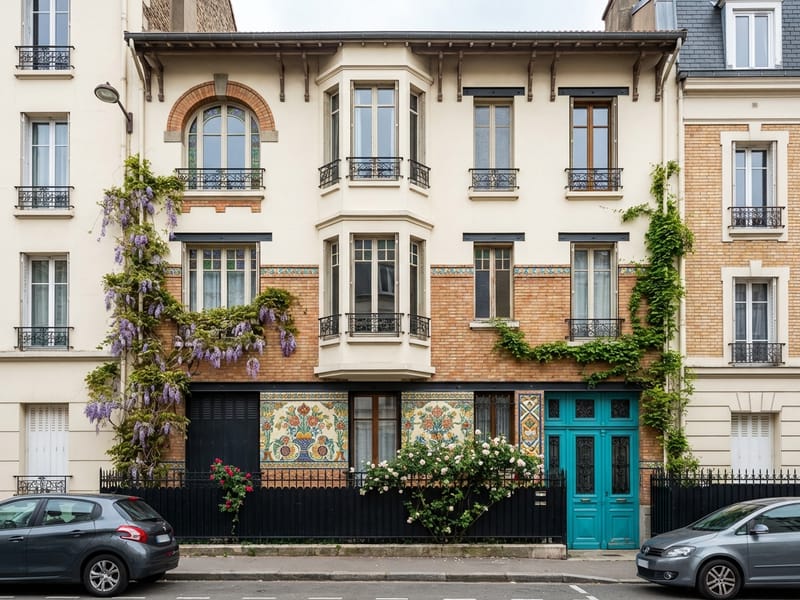
Key elements of Eclectic Facade style
Mixed Materials
Three or four cladding materials in deliberate combination — typically brick, stucco, wood and stone, balanced through proportion.
Asymmetrical Massing
A main volume paired with one or two smaller wings of contrasting material or roof form, creating depth and interest.
Layered Window Types
A mix of window styles — large picture windows, traditional sash, fixed transoms — used where each works best functionally.
Statement Entrance
A strong front door in bold color or unusual material anchoring the composition and signaling the homeowner's taste.
Mixed Roof Forms
Pitched and flat roof sections combined, often with one shed-roof addition alongside a traditional gable.
Unified Palette
Layered neutral colors (charcoal, warm white, terracotta, sage) with one saturated accent unifying the mixed materials.
Try creating your own design
Upload a photo of your house and get a professional facade design in 30 seconds. First 2 designs are free.
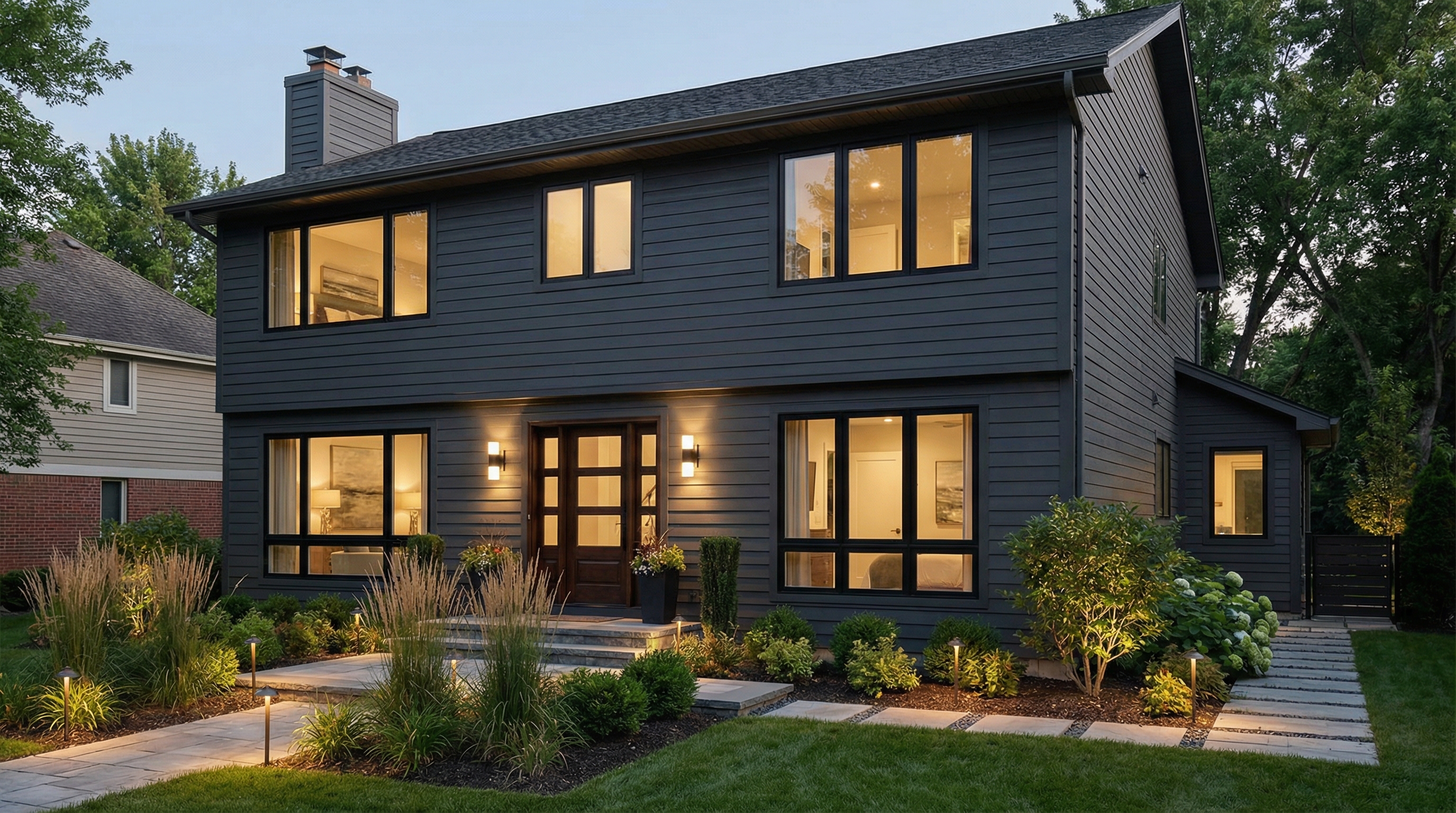
Eclectic Facade: facade design
See more examples in the Eclectic Facade style gallery or the full design gallery.
FAQ: facade design in Eclectic Facade style
- A facade that deliberately mixes architectural elements, materials and eras into a coherent composition unified by palette, proportion and one leading element.
- Eclectic is intentional curation, not indecision. Each element has a clear role, the combination feels deliberate, and one volume or material clearly leads.
- Three or four is the working maximum. More than that and the facade reads chaotic; fewer and it stops being eclectic.
- Layered neutrals (charcoal, warm white, terracotta, soft sage) with one saturated accent — often the front door or a single window trim color.
- Yes — that's often the point. Victorian brackets paired with contemporary metal roofing, or a modern volume added to a 1920s craftsman, are classic eclectic moves.
- The Victorian Eclectic movement of the 1870s-90s combined Italianate, Gothic, Queen Anne and Stick styles. Today's eclectic design borrows the same logic, with modern materials added.
- Yes — many contemporary architects design new houses with deliberately mixed massing and materials. The key is unified scale and palette.