Yard in Turkish Garden style
Complete guide to Turkish Garden style landscape design: features, materials, color solutions, and examples
Turkish Garden style is an excellent choice for landscape design. This style creates a harmonious and expressive space, combining aesthetics and functionality.
Features of a Turkish Garden style yard
Turkish Garden style yard design features thoughtful details and characteristic elements that create a unique atmosphere. The right combination of plants, materials, and layout unlocks the full potential of the territory.
Color palette
A Turkish Garden style yard is characterized by harmonious color combinations that emphasize stylistic features and create the right mood.
With GenRoom you can visualize your yard in Turkish Garden style in seconds. Simply upload a photo of your yard, choose the "Turkish Garden" style, and our AI will create a professional visualization!
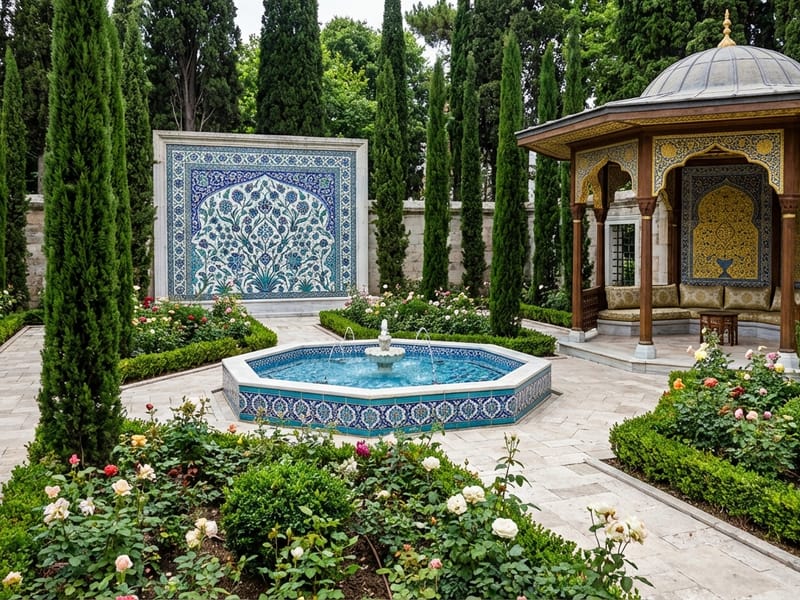
Yard examples in Turkish Garden style
Өз дизайныңызды жасап көріңіз
Аула фотосын жүктеңіз де, 30 секундта кәсіби ландшафт дизайнын алыңыз. Алғашқы 2 дизайн — тегін.
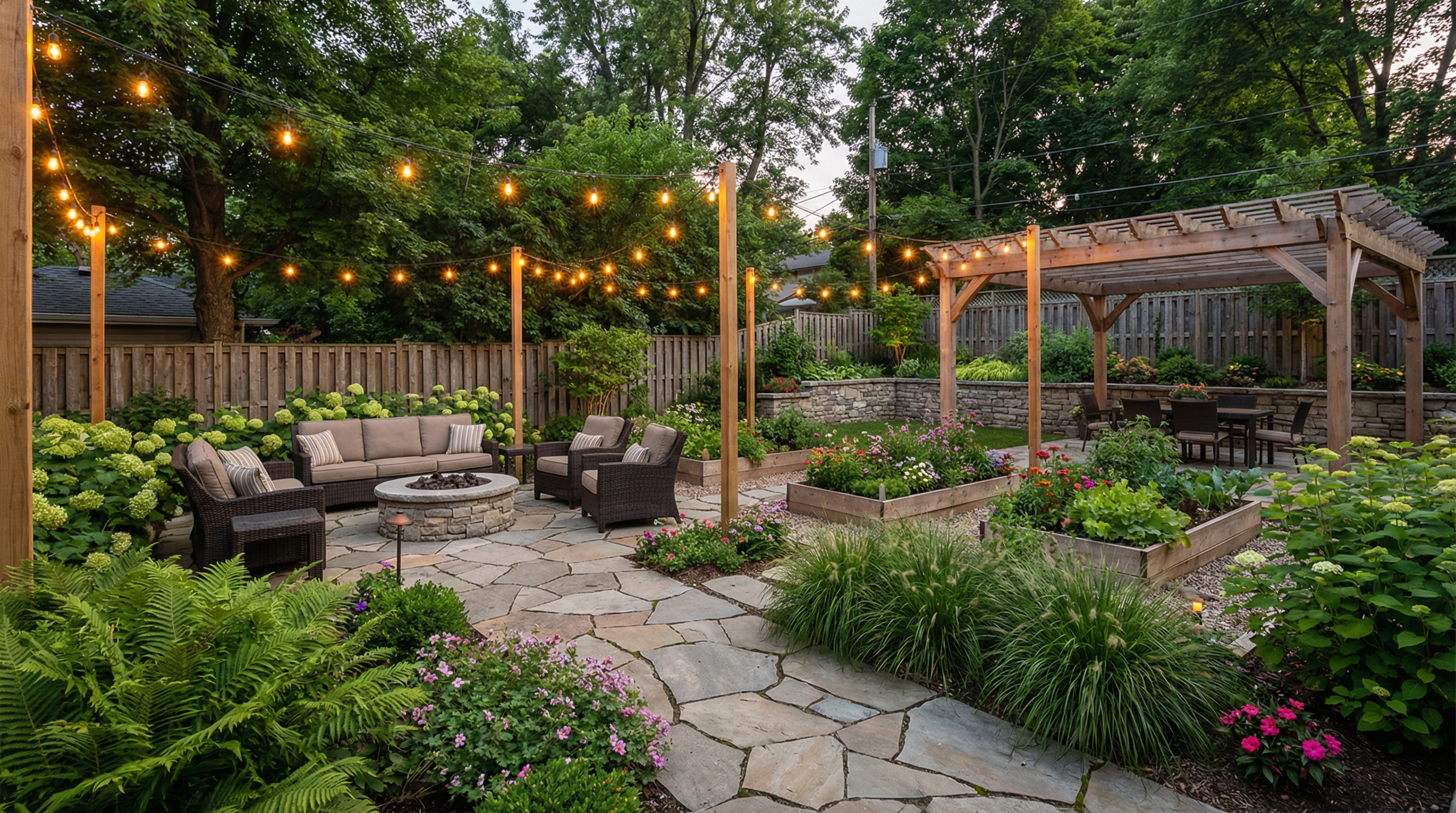
Turkish Garden стилінің негізгі элементтері
Chahar Bagh Layout
A 4-part geometric division around a central fountain, inherited from Persian garden tradition and central to Ottoman royal gardens.
Heritage Turkish Tulips
Narrow pointed Lale-i Rumi tulips planted in masses — the historic form celebrated during the Tulip Period (1718-1730) of Sultan Ahmed III.
Damask Roses
Rosa damascena and other heritage roses planted in beds and along walls, prized in Ottoman gardens for fragrance and rose water production.
Tile Fountains
Central or wall-mounted fountains in glazed Iznik-style tile, with marble basins and geometric or floral patterns.
Plane Tree Shade
Mature plane trees (Platanus orientalis) providing structural shade, especially over seating areas and along main axes.
Wooden Köşk Pavilion
A wooden garden pavilion (köşk) with carved screens and a low platform for sitting, providing shaded views across the garden.
Жиі қойылатын сұрақтар
- A formal Ottoman-tradition garden with a 4-part geometric layout, central fountain, heritage tulips and roses, plane trees and a wooden pavilion (köşk).
- Lale Devri (1718-1730), under Sultan Ahmed III, when Ottoman cultural attention focused intensely on tulip cultivation. Hundreds of cultivars were bred; tulips appeared in tile, textile, painting and palace gardens.
- Turkish heritage tulips (Lale-i Rumi) have narrow, pointed petals — the form depicted in Iznik tile and Ottoman miniature painting. Standard Dutch tulips have rounded cups.
- Both share the chahar bagh 4-part layout. Turkish gardens add Mediterranean plants (plane trees, cypress), Iznik tile and a more relaxed planting style. Persian gardens are more enclosed and use Persian fruits and roses.
- Mediterranean and continental climates (USDA zones 7-9) suit best — cold winters for tulips, warm dry summers for cypress and roses. Humid summers can stress some signature plants.
- The Topkapi Palace gardens in Istanbul, the Yıldız Palace gardens, Bosphorus yali estates and the gardens at Edirne all preserve elements of Ottoman tradition.
- Strongly recommended — water features are central to Ottoman garden tradition, providing cooling, sound and visual focus. Even a small wall-mounted fountain suffices.
Өз дизайныңызды жасап көріңіз
Аула фотосын жүктеңіз де, 30 секундта кәсіби ландшафт дизайнын алыңыз. Алғашқы 2 дизайн — тегін.