Office in Minimalism style
Complete guide to office interior in Minimalism style: features, materials, color solutions, and examples
Minimalism style is an excellent choice for your office. This style creates a harmonious and functional space, combining aesthetics and comfort.
Features of a office in Minimalism style
Minimalism style office design features thoughtful details and characteristic elements that create a unique atmosphere. The right combination of materials, colors, and textures unlocks the full potential of the room.
Color palette
A office in Minimalism style is characterized by harmonious color combinations that emphasize stylistic features and create the right mood.
With GenRoom you can visualize your office in Minimalism style in seconds. Simply upload a photo of your room, choose the "Minimalism" style, and our AI will create a professional design!
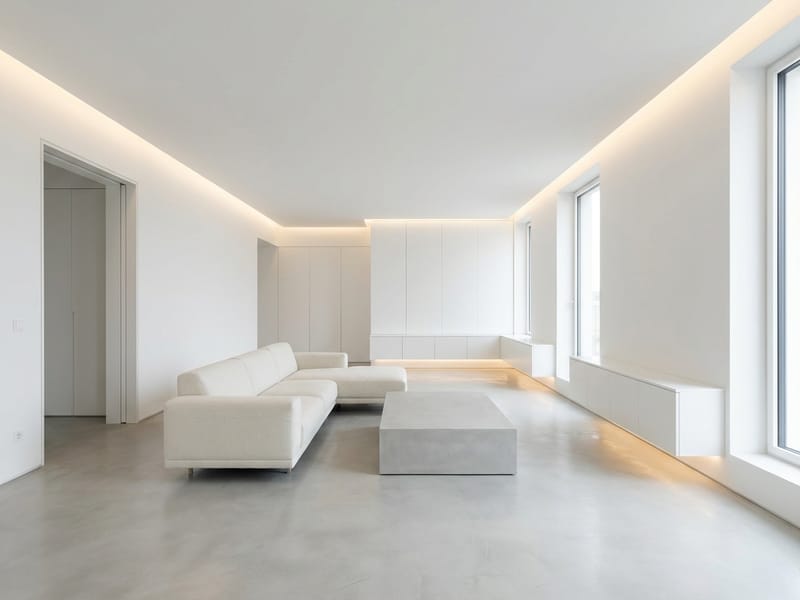
Office examples in Minimalism style
Try creating your own design
Upload a photo of your room and get a professional design in 30 seconds. First 2 designs are free.
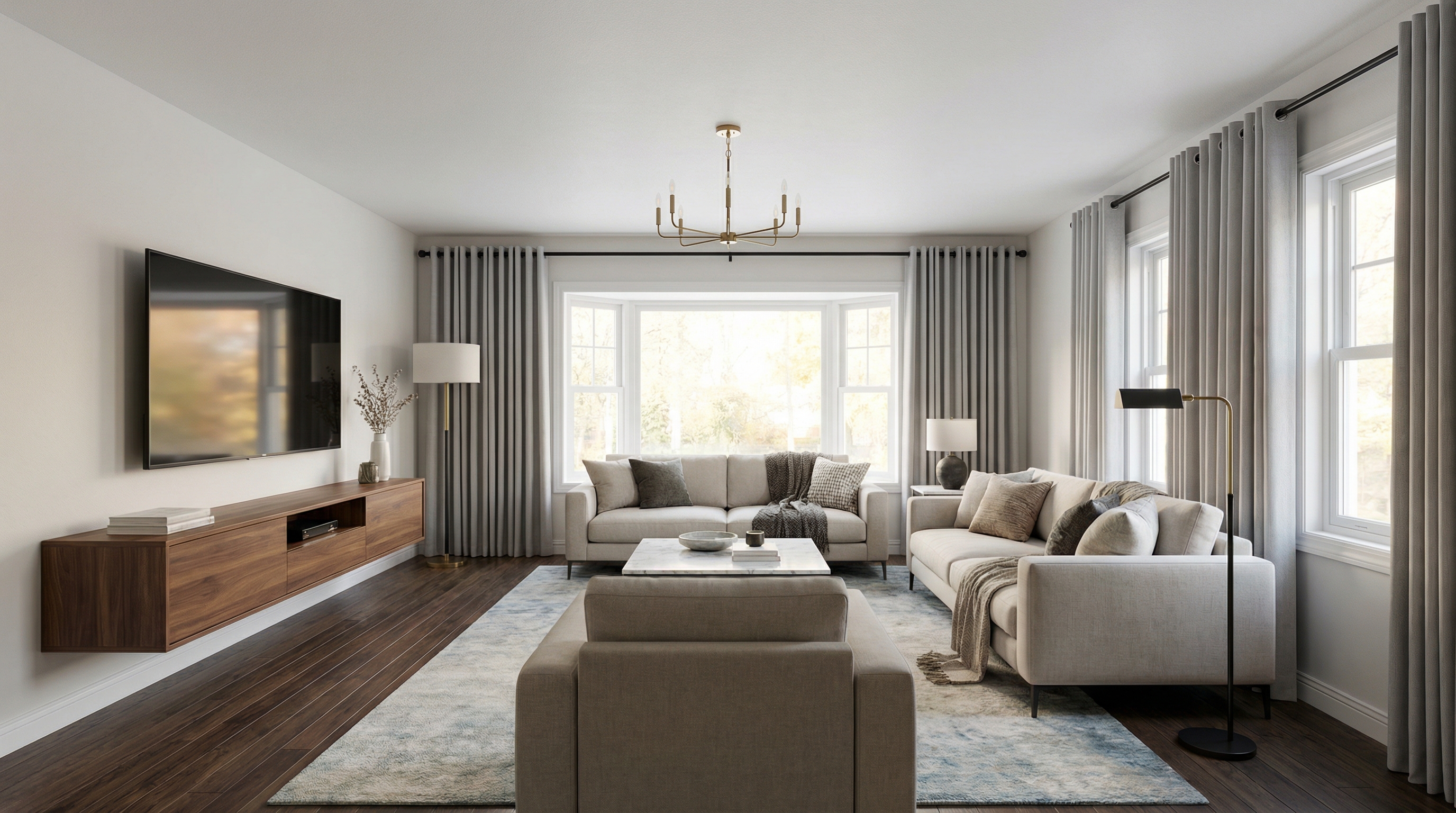
Key elements of Minimalism style
Empty Space as Design
Negative space is treated as carefully as filled space, giving each object visual weight and the room a sense of calm.
Single Material Palette
One or two materials carry the entire room — microcement walls plus oak floor, or limestone plus white plaster.
Hidden Storage
Floor-to-ceiling built-ins, push-to-open doors, and concealed appliances make clutter physically impossible to see.
Warm Monochrome
A single warm-white tone runs from walls to ceilings to trim, creating seamless architectural envelopes.
Architectural Lighting
Recessed cove lighting, linear LEDs, and concealed strips replace visible fixtures, letting light feel ambient and sourceless.
One Statement Piece
Each room contains a single visual anchor — a sculpture, an oversized artwork, or a Hans Wegner chair — and nothing else competing.
Frequently asked questions
- Minimalism is a style based on Mies van der Rohe's 1947 principle "less is more." It uses a single material palette, warm monochrome colors, hidden storage, and treats empty space as a design element.
- Modern allows accent colors, multiple materials, and decorative objects. Minimalism strips all of that away. A modern room can be busy; a minimalist room cannot.
- Yes, but it requires more storage than you think. Plan floor-to-ceiling built-ins in every room, including the laundry. Without invisible storage, family minimalism fails within a month.
- One warm-white tone throughout, often a single off-white from a curated palette like Farrow & Ball or Bauwerk. Accents come from natural material tones — oak, stone, black metal — not paint.
- Only when done badly. Use warm white (not cool grey), warm wood floors, 2700K lighting, and textured plaster or microcement walls. Cold minimalism comes from wrong materials, not the style itself.
- Remove 70% of what is currently visible. Then choose one statement piece (sofa or chair), one large artwork, and one floor lamp. Paint everything else the same warm white. Add nothing for two weeks.
- It can be — built-in storage, microcement floors, and integrated appliances cost more than off-the-shelf alternatives. But the smaller object count means you spend on fewer, better things rather than many cheap ones.
Try creating your own design
Upload a photo of your room and get a professional design in 30 seconds. First 2 designs are free.