Hallway in Japandi style
Complete guide to hallway interior in Japandi style: features, materials, color solutions, and examples
Japandi style is an excellent choice for your hallway. This style creates a harmonious and functional space, combining aesthetics and comfort.
Features of a hallway in Japandi style
Japandi style hallway design features thoughtful details and characteristic elements that create a unique atmosphere. The right combination of materials, colors, and textures unlocks the full potential of the room.
Color palette
A hallway in Japandi style is characterized by harmonious color combinations that emphasize stylistic features and create the right mood.
With GenRoom you can visualize your hallway in Japandi style in seconds. Simply upload a photo of your room, choose the "Japandi" style, and our AI will create a professional design!
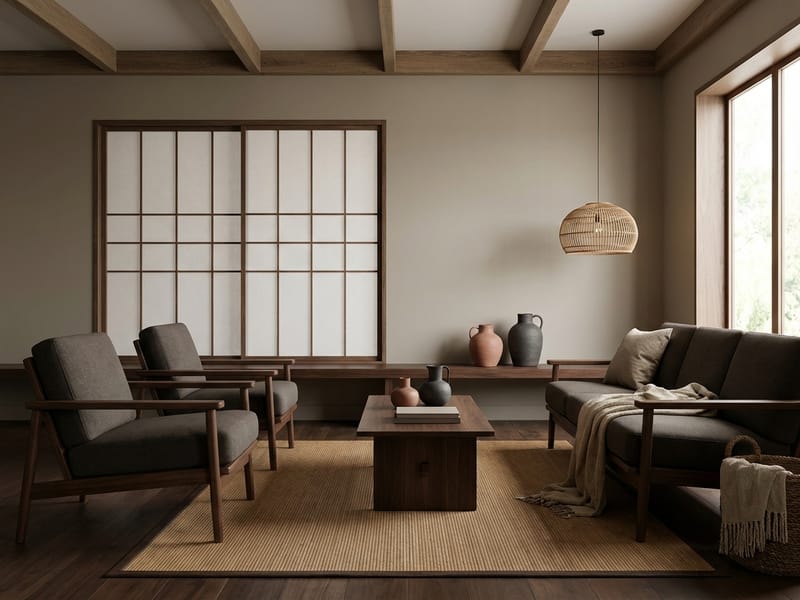
Hallway examples in Japandi style
Spróbuj stworzyć własny projekt
Prześlij zdjęcie swojego pokoju i otrzymaj profesjonalny projekt w 30 sekund. Pierwsze 2 projekty są darmowe.
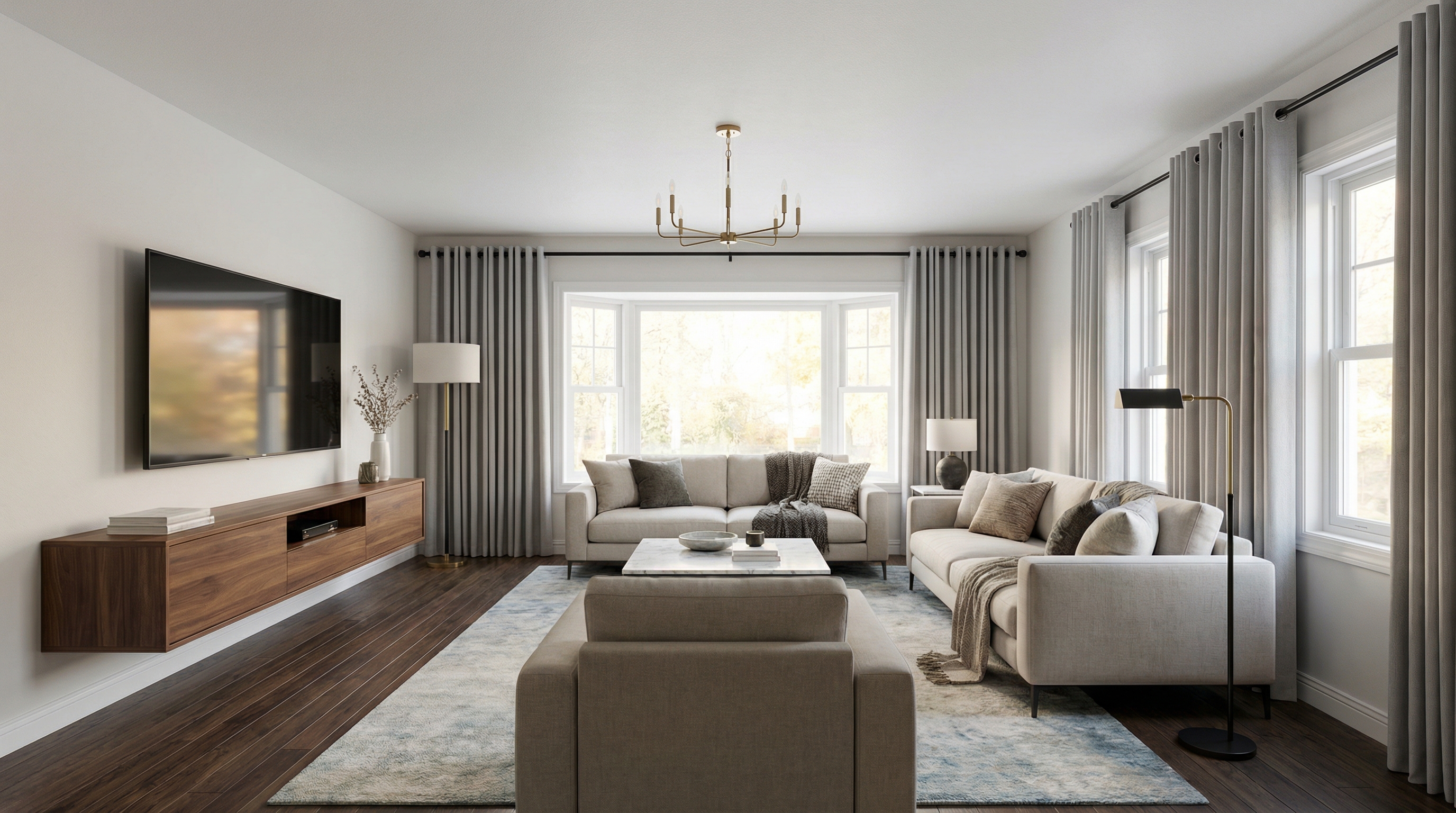
Kluczowe elementy stylu Japandi
Low Profile Furniture
Beds, sofas, and tables sit closer to the floor, echoing Japanese floor culture while maintaining Scandinavian comfort.
Wabi-Sabi Imperfection
Hand-thrown ceramics, live-edge wood, and visible joinery celebrate the marks of human craft over factory perfection.
Earthy Muted Palette
Mushroom, clay, charcoal, and warm off-white replace the bright whites of pure Scandi, creating grounded calm.
Two-Tone Wood Mix
Pale ash or oak paired with walnut or smoked oak adds depth without breaking the disciplined palette.
Paper and Linen
Washi paper lanterns, raw linen drapes, and shoji-inspired screens diffuse light softly across every surface.
Intentional Negative Space
Empty floor and wall areas are treated as design elements, giving each remaining object room to breathe.
Najczęściej zadawane pytania
- Japandi is a hybrid interior style combining Japanese wabi-sabi minimalism with Scandinavian hygge functionality. It uses low furniture, earthy muted tones, and handcrafted natural materials.
- Japandi is darker, lower, and more restrained. Scandi uses pale oak and bright whites; Japandi mixes walnut with ash, swaps white for mushroom and clay tones, and includes fewer decorative objects per room.
- A core palette of warm off-white, mushroom, clay brown, and charcoal. Accents in matte black, deep forest green, or rust. Avoid primaries, pastels, and cool grays.
- Excellent. The minimal object count, low furniture profile, and unified palette make rooms feel calm and visually larger. Japandi works especially well in studios and one-bedroom apartments.
- Walnut, smoked oak, ash, white oak, and bamboo. Combine two complementary species — one darker and one lighter. Avoid red oak, cherry, and pine.
- Lower your bed (platform style at 30 cm), switch to raw linen bedding in oat or charcoal, replace overhead lighting with a paper lantern, and limit nightstand objects to three items maximum.
- The fusion has been developing since 1950s Danish designers studied Japanese craft. The name is recent, the aesthetic is not. Both source traditions are over a century old, so the look has staying power.
Spróbuj stworzyć własny projekt
Prześlij zdjęcie swojego pokoju i otrzymaj profesjonalny projekt w 30 sekund. Pierwsze 2 projekty są darmowe.