Kids Room in Contemporary style
Complete guide to kids room interior in Contemporary style: features, materials, color solutions, and examples
Contemporary style is an excellent choice for your kids room. This style creates a harmonious and functional space, combining aesthetics and comfort.
Features of a kids room in Contemporary style
Contemporary style kids room design features thoughtful details and characteristic elements that create a unique atmosphere. The right combination of materials, colors, and textures unlocks the full potential of the room.
Color palette
A kids room in Contemporary style is characterized by harmonious color combinations that emphasize stylistic features and create the right mood.
With GenRoom you can visualize your kids room in Contemporary style in seconds. Simply upload a photo of your room, choose the "Contemporary" style, and our AI will create a professional design!
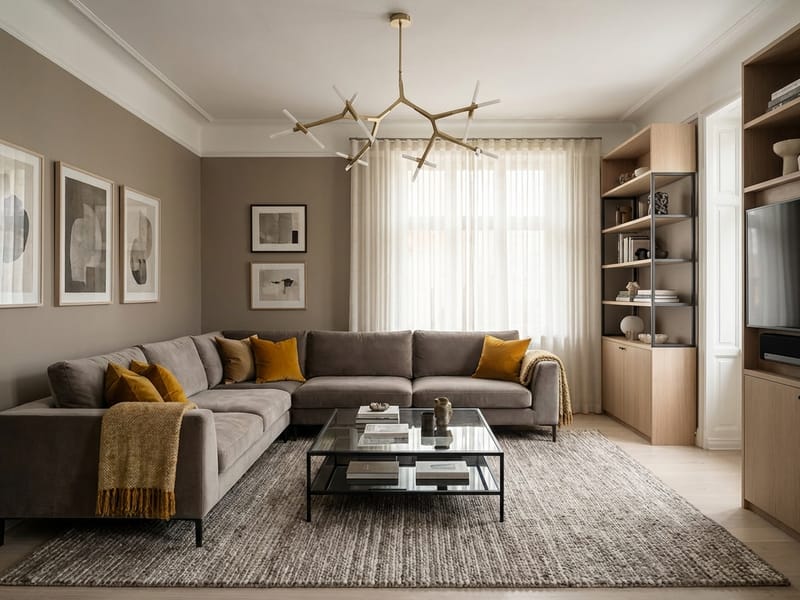
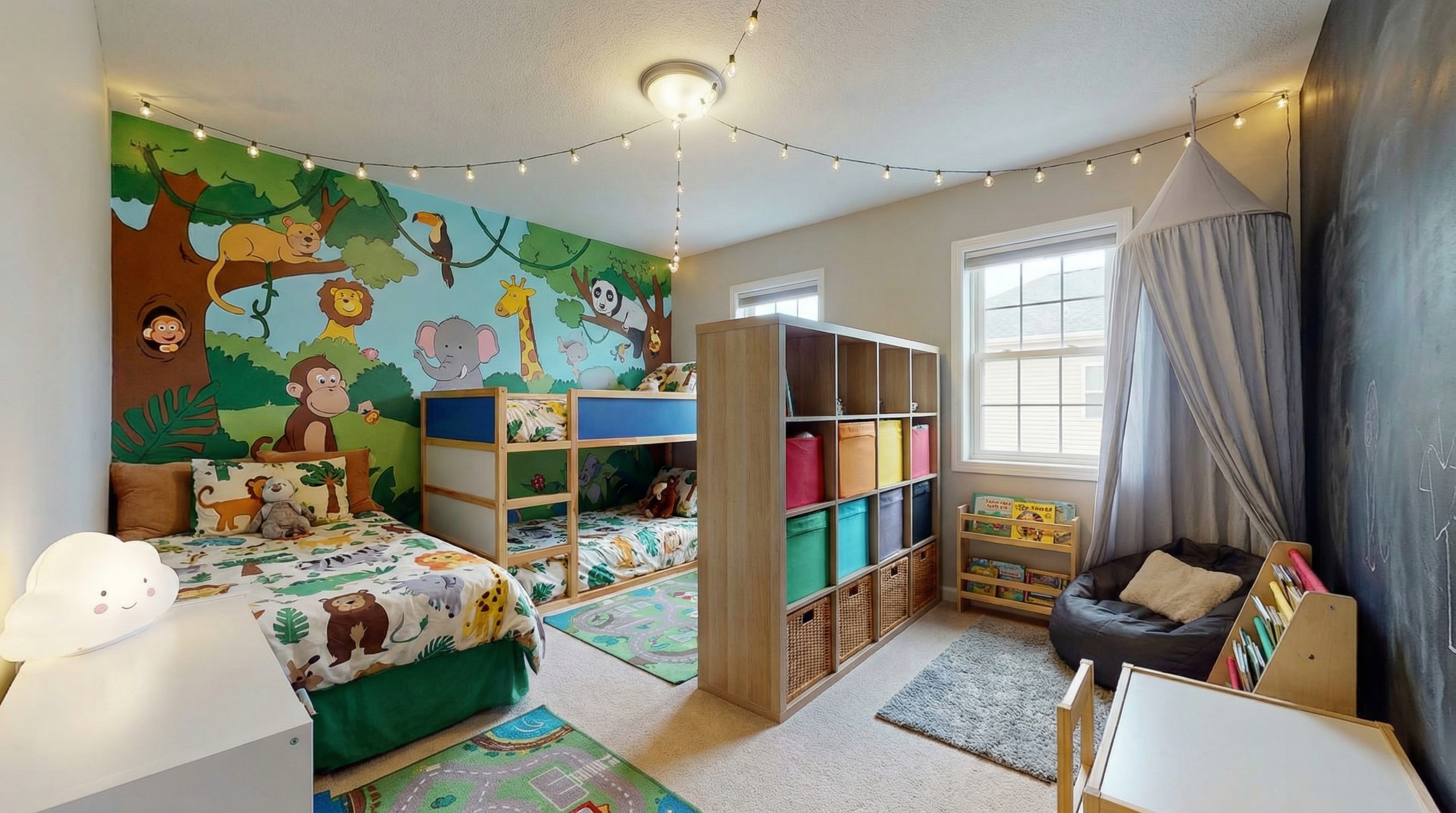
Kids Room examples in Contemporary style
Try creating your own design
Upload a photo of your room and get a professional design in 30 seconds. First 2 designs are free.
Key elements of Contemporary style
Warm Neutral Base
Mushroom, oat, putty and soft taupe replace the cool grays of the last decade.
One Earth Accent
A single saturated note — terracotta, ochre or sage — keeps the room from feeling beige.
Curved Silhouettes
Boucle sofas, arched mirrors, mushroom lamps. Sharp 90° lines feel dated in 2026.
Layered Naturals
Travertine, linen, oak, brushed brass — three or four materials maximum, mixed thoughtfully.
Biophilic Touches
One sculptural plant (fiddle leaf, olive, ficus) is non-negotiable for contemporary in 2026.
Brushed Brass over Chrome
Brushed brass and matte black are current. Chrome reads early-2000s.
Frequently asked questions
- Modern is a specific historical movement (1920s–1950s — Bauhaus, mid-century). Contemporary is fluid and means "current" — in 2026, that's warm neutrals, curved shapes, mixed naturals and biophilic touches. The same chair can be modern (vintage Eames) but the overall styling can feel contemporary.
- Warm neutrals (mushroom, oat, putty, soft taupe) as the base; one earth accent (terracotta, ochre, sage); botanical greens for plants; charcoal or matte black as punctuation. Cool grays and bright primaries feel dated.
- IKEA HAVSTA shelving, a boucle accent chair from Westwing/HKliving outlets, travertine coasters from Etsy, one statement jute rug, and one large plant. A complete contemporary living room is achievable for $2,000–$3,500 with smart sourcing.
- No. Minimalism strips everything down to essentials. Contemporary is layered — three or four materials, textured textiles, one sculptural piece, plants. It feels lived-in, not stripped.
- Layered: one statement pendant (ribbed glass, mushroom shape, or large rice paper), wall sconces in brushed brass or matte black, and a sculptural floor lamp. All bulbs warm 2700K. Skip recessed-only setups.
- It is one of the best styles for small spaces. The warm neutral palette visually expands the room, curved furniture takes corners better than angular pieces, and the "one statement, edit the rest" philosophy keeps it from feeling cluttered.
- Scandinavian leans pale wood + hygge textiles. Japandi adds Japanese wabi-sabi and lower furniture. Contemporary is warmer, curvier, and freer to mix — it can borrow from both but allows bolder accents (burnt orange, deep sage) than either.
Try creating your own design
Upload a photo of your room and get a professional design in 30 seconds. First 2 designs are free.