Hallway in Biophilic style
Complete guide to hallway interior in Biophilic style: features, materials, color solutions, and examples
Biophilic style is an excellent choice for your hallway. This style creates a harmonious and functional space, combining aesthetics and comfort.
Features of a hallway in Biophilic style
Biophilic style hallway design features thoughtful details and characteristic elements that create a unique atmosphere. The right combination of materials, colors, and textures unlocks the full potential of the room.
Color palette
A hallway in Biophilic style is characterized by harmonious color combinations that emphasize stylistic features and create the right mood.
With GenRoom you can visualize your hallway in Biophilic style in seconds. Simply upload a photo of your room, choose the "Biophilic" style, and our AI will create a professional design!
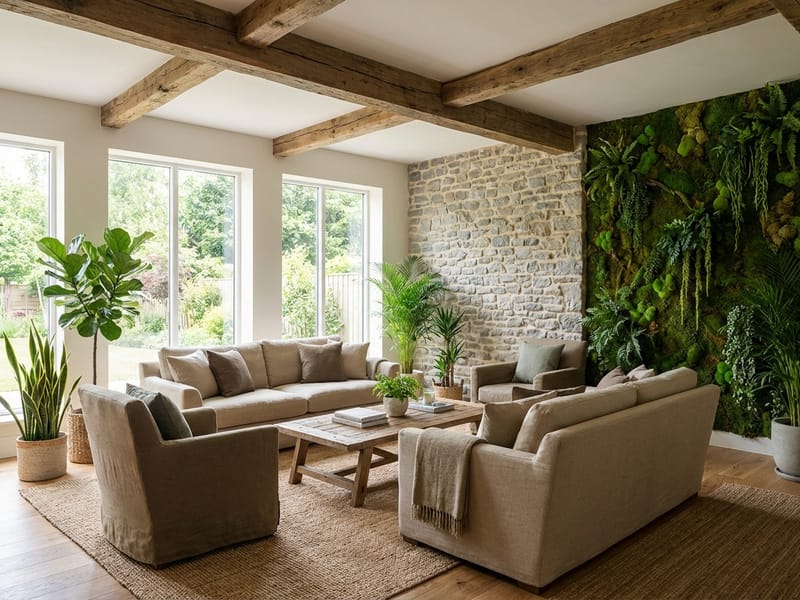
Hallway examples in Biophilic style
Try creating your own design
Upload a photo of your room and get a professional design in 30 seconds. First 2 designs are free.
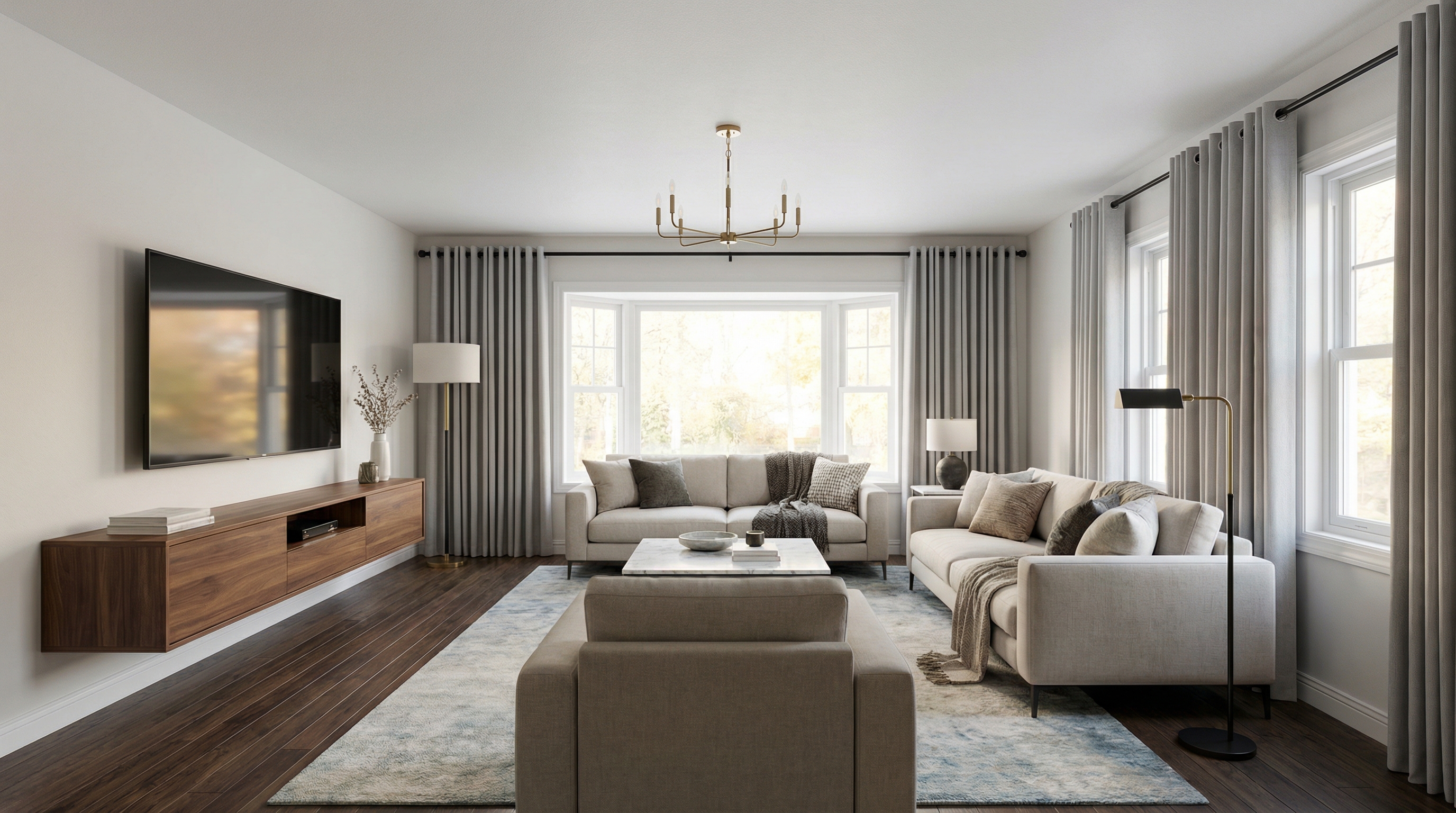
Key elements of Biophilic style
Living Plant Walls
Vertical moss walls, hydroponic plant panels, or trellised pothos turn entire walls into oxygen-producing biophilic features.
Maximized Daylight
Unobstructed windows, skylights, and light shelves are prioritized over privacy curtains, letting circadian-rhythm-friendly daylight reach every room.
Natural Materials
Raw oak, cork, stone, wool, linen, and unfinished bamboo replace plastics and synthetics on every visible surface.
Water Features
Tabletop fountains, indoor ponds, or aquariums provide the sound of moving water — a deeply biophilic sensory cue.
Organic Forms
Curved furniture, irregular live-edge tables, and biomimetic patterns echo shapes found in nature rather than industrial geometry.
Earth-Tone Palette
Forest greens, sand, terracotta, and sky blue mirror the natural environment, calming the nervous system through evolutionary familiarity.
Frequently asked questions
- Biophilic design integrates direct experiences of nature (plants, water, daylight) and natural materials (wood, stone, wool) into interiors. The term was popularized by Harvard biologist E.O. Wilson in his 1984 book "Biophilia."
- Yes — University of Exeter research (2014) showed biophilic offices increased productivity by 15% and reduced stress markers by 30%. Hospital studies show patients in rooms with plants and nature views recover faster.
- A minimum of one large plant per 10 square meters, with a mix of species — at least one air-purifying plant (snake plant, peace lily, pothos), one large statement plant, and several smaller plants distributed across surfaces.
- No — plants are one of 14 biophilic patterns. Equally important are natural materials (real wood, stone), maximized daylight, organic forms, water sounds, fresh air, and views of nature. Quality matters more than plant count.
- Earth-tone palettes that mirror natural environments: forest green, sage, terracotta, sand, sky blue, and warm cream. These colors are deeply familiar to the human nervous system and reduce cognitive load.
- Yes, but lighting becomes critical. Use full-spectrum 5000–6500K daylight bulbs during the day and warm 2700K bulbs at night, choose low-light plants (pothos, ZZ, snake plant), and add a mirror across from your largest window.
- Indoor jungle is the plant-count aesthetic; biophilic is the science. Biophilic includes daylight access, natural materials, water elements, organic forms, and spatial design — plants are one component, not the whole strategy.
Try creating your own design
Upload a photo of your room and get a professional design in 30 seconds. First 2 designs are free.