Yard in Mediterranean Yard style
Complete guide to Mediterranean Yard style landscape design: features, materials, color solutions, and examples
Mediterranean Yard style is an excellent choice for landscape design. This style creates a harmonious and expressive space, combining aesthetics and functionality.
Features of a Mediterranean Yard style yard
Mediterranean Yard style yard design features thoughtful details and characteristic elements that create a unique atmosphere. The right combination of plants, materials, and layout unlocks the full potential of the territory.
Color palette
A Mediterranean Yard style yard is characterized by harmonious color combinations that emphasize stylistic features and create the right mood.
With GenRoom you can visualize your yard in Mediterranean Yard style in seconds. Simply upload a photo of your yard, choose the "Mediterranean Yard" style, and our AI will create a professional visualization!
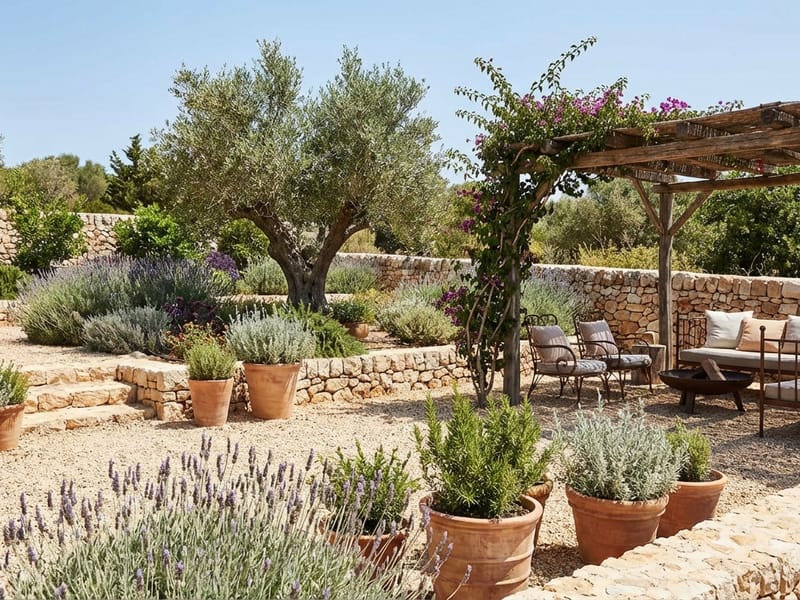
Yard examples in Mediterranean Yard style
Spróbuj stworzyć własny projekt
Prześlij zdjęcie swojego ogrodu i otrzymaj profesjonalny projekt krajobrazu w 30 sekund. Pierwsze 2 projekty są darmowe.
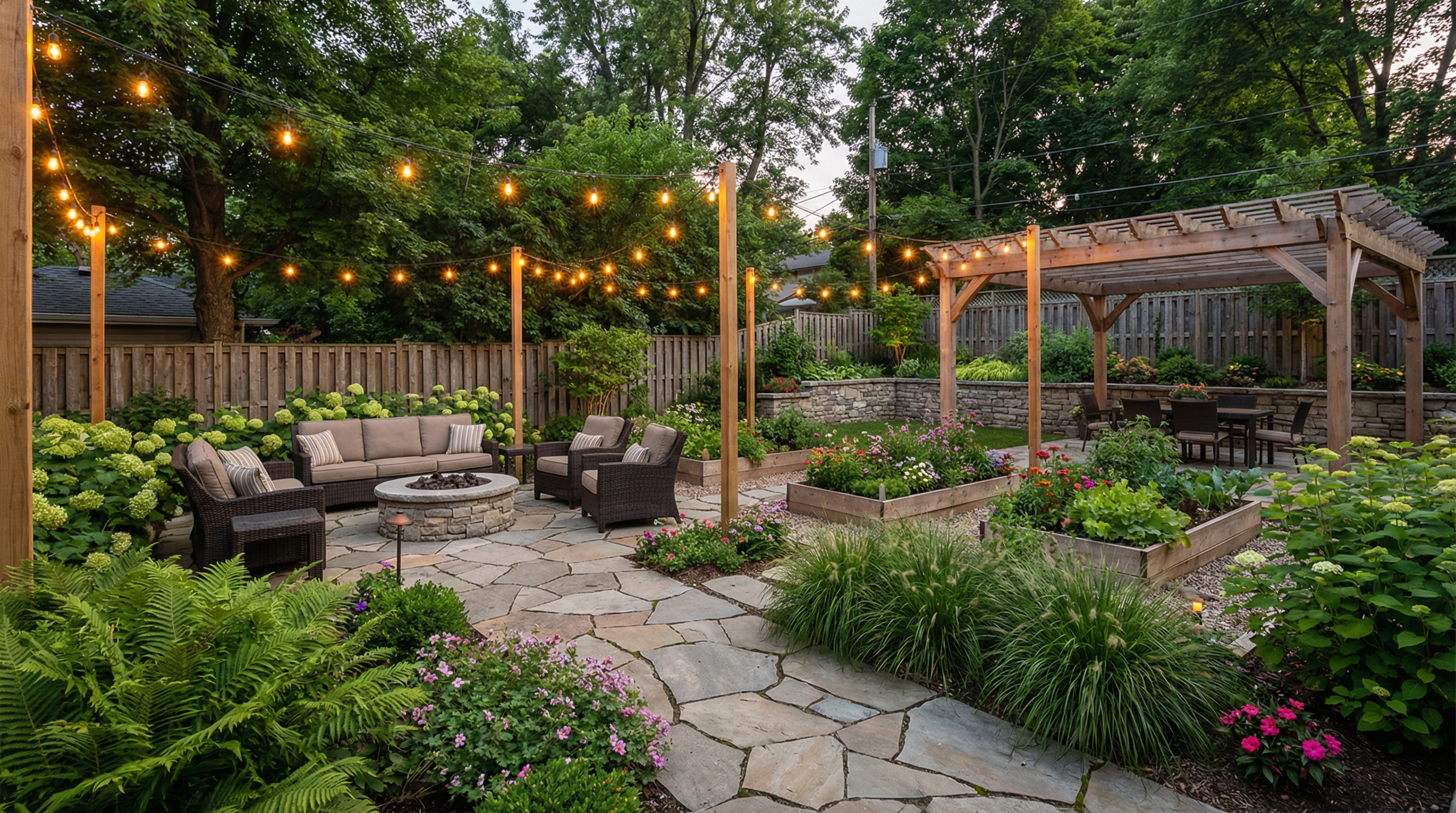
Kluczowe elementy stylu Mediterranean Yard
Olive Trees
A single mature olive tree (Olea europaea) or a small olive grove anchors every authentic Mediterranean garden with centuries-old symbolism.
Lavender and Rosemary
Aromatic herbs in massed plantings provide fragrance, blue-purple summer color, and silvery foliage year-round in well-drained soil.
Italian Cypress
Tall, narrow Cupressus sempervirens trees provide vertical structure, frame views, and create Tuscan-villa silhouettes.
Terracotta Containers
Large hand-thrown terracotta pots with single topiary, olive, or citrus specimens punctuate paths and entries.
Stone Fountains
Central water features in carved stone or terracotta provide the cooling sound essential to hot-climate Mediterranean gardens.
Gravel Paths
Decomposed granite, crushed limestone, or river gravel replace lawn and provide permeable, drought-tolerant circulation through the garden.
Najczęściej zadawane pytania
- A Mediterranean garden uses plants and design principles from regions bordering the Mediterranean Sea — Spain, southern France, Italy, Greece. It features drought-tolerant evergreens (olive, cypress, lavender), gravel hardscape, terracotta planters, and stone water features.
- Olive, Italian cypress, citrus, lavender, rosemary, sage, oleander, bay laurel, myrtle, bougainvillea, jasmine, and creeping thyme. All are drought-tolerant once established and thrive in well-drained alkaline soil with full sun.
- Yes, with plant adaptations. Substitute hardy olive cultivars or olive lookalikes (autumn olive, Russian olive), use cold-hardy lavender (Munstead, Hidcote), replace Italian cypress with juniper, and protect citrus in containers brought indoors over winter.
- Very little once established. New plantings need regular water for the first year. Mature olive, lavender, rosemary, and most Mediterranean natives need water only during extreme drought — sometimes once a month in summer, never in winter.
- No — lawns are fundamentally anti-Mediterranean. They require constant irrigation, break the regional logic, and are visually wrong. Replace with decomposed granite, gravel, creeping thyme, or low-growing chamomile.
- Decomposed granite paths, terracotta tile paving, hand-laid flagstone, dry-stacked stone walls, stuccoed warm-cream garden walls, and hand-painted Talavera tile accents on stair risers, fountains, and benches.
- Yes — once established, they require minimal water and only annual pruning (lavender after flowering, olive in late winter, rosemary lightly). The biggest maintenance is keeping out weeds in gravel paths, which a thick gravel layer (5+ cm) largely prevents.
Spróbuj stworzyć własny projekt
Prześlij zdjęcie swojego ogrodu i otrzymaj profesjonalny projekt krajobrazu w 30 sekund. Pierwsze 2 projekty są darmowe.